If you're looking to add a unique and eye-catching plant to your indoor garden, the Iron Cross Begonia might just be the perfect choice. Named for the distinctive cross pattern on its leaves, this plant offers more than just good looks—it's also relatively easy to care for with a few guidelines.
In this article, we'll cover everything you need to know about nurturing an Iron Cross Begonia, from understanding its light and water needs to dealing with pests. By the end, you'll be equipped to help this plant thrive in your home.
Understanding the Iron Cross Begonia
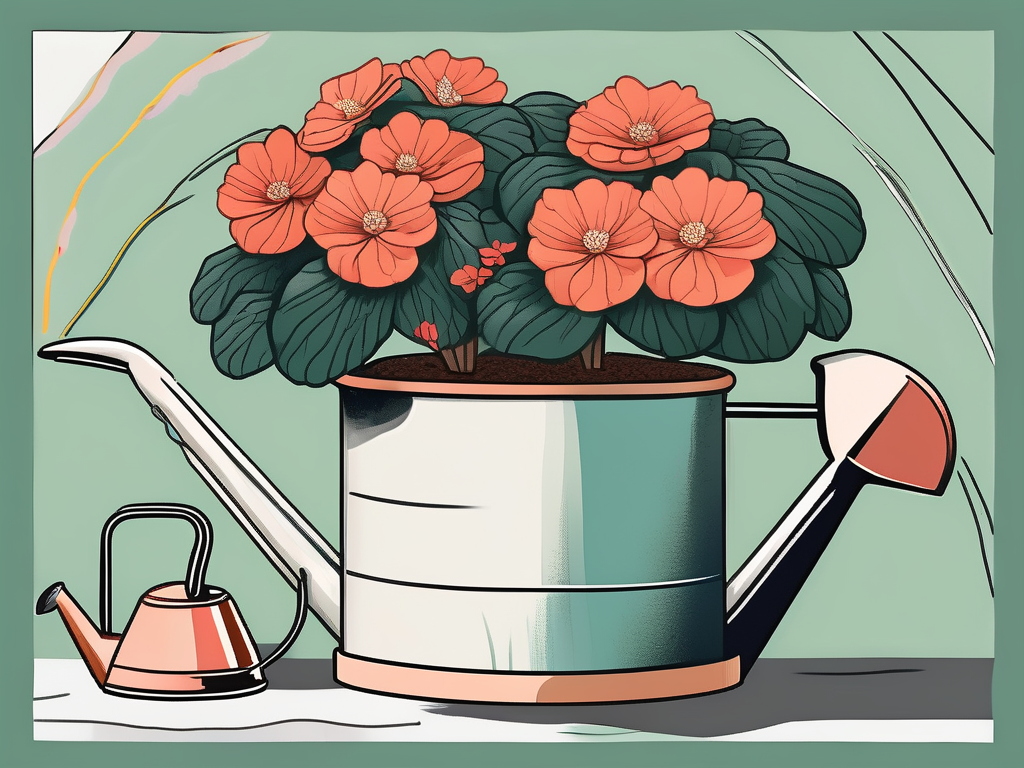
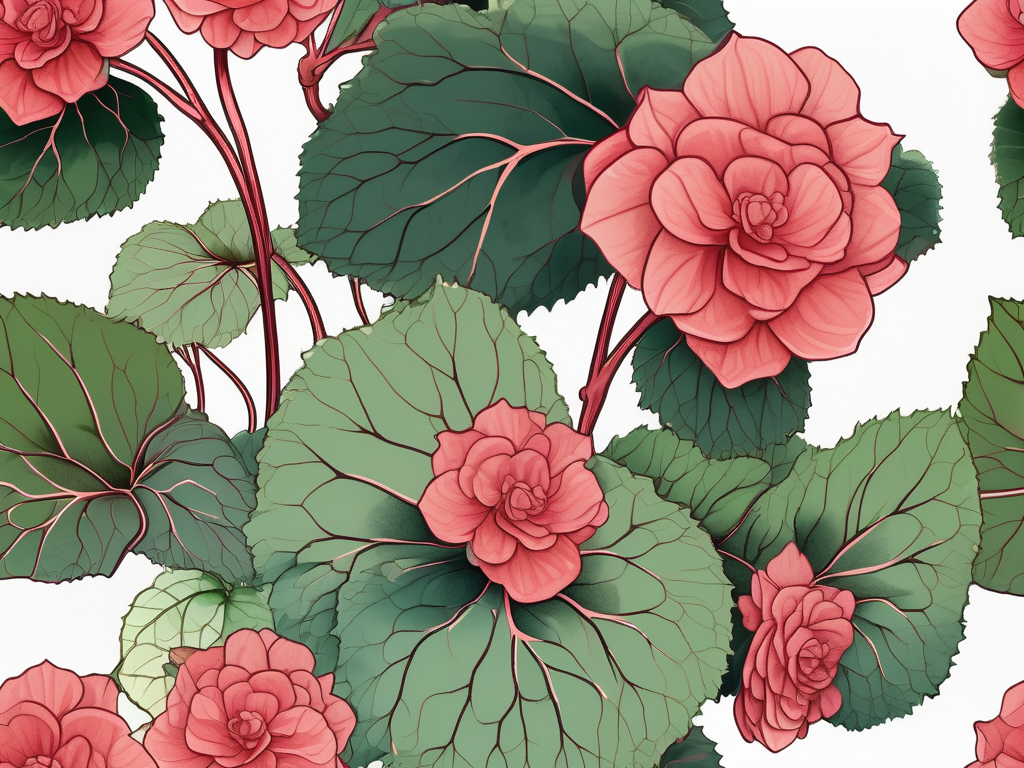
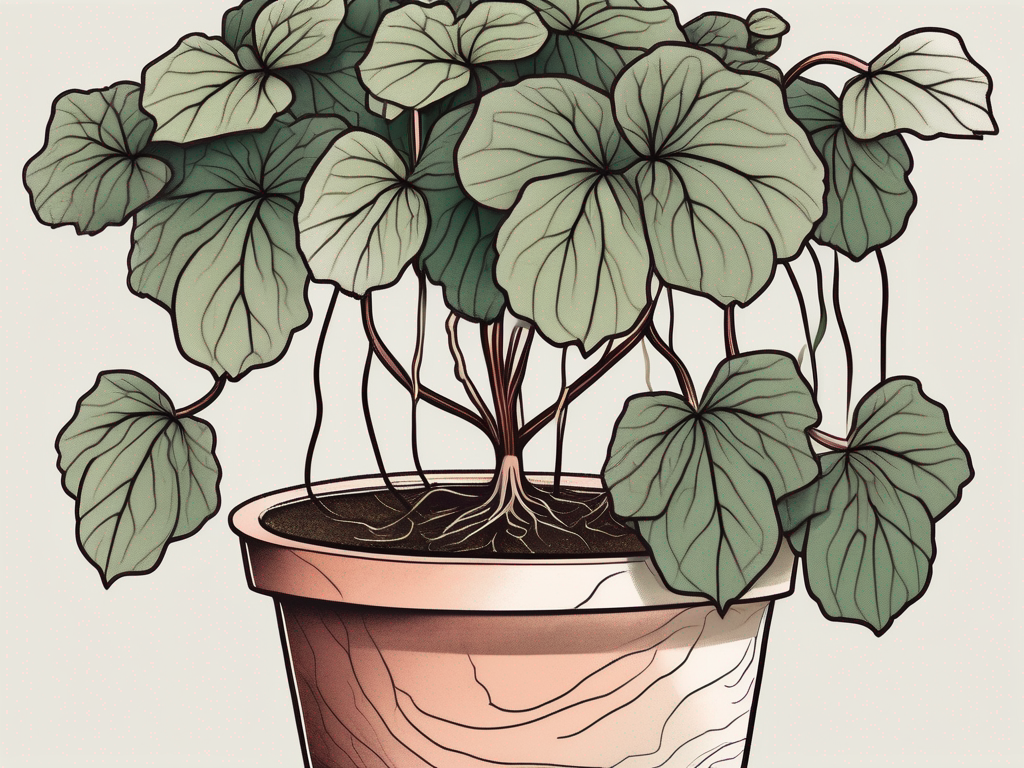
The Iron Cross Begonia (Begonia masoniana) is a striking plant that's sure to stand out in any collection. Originating from the tropical regions of China and Vietnam, it's recognizable by its large, textured leaves adorned with a dark, cross-like mark. The leaves are a vibrant green, offering a lovely contrast to the darker pattern.
This begonia belongs to the rhizomatous category, meaning it grows from a thick, horizontal stem that stores nutrients and water. This characteristic helps it survive in less-than-ideal conditions, although it's always best to provide the right care. If you're a fan of plants that are a bit different and enjoy having a conversation starter in your home, the Iron Cross Begonia is a great choice.
While its appearance is its main appeal, the plant also blooms with small, white flowers. However, most plant lovers keep it for its foliage rather than the flowers. Knowing what makes this plant unique is the first step in giving it the care it needs.
Finding the Perfect Spot
Like many begonias, the Iron Cross Begonia enjoys bright, indirect light. Too much direct sunlight can scorch its leaves, while too little light can cause the plant to become leggy and lose its vibrant color. So, what's the sweet spot?
Consider placing your begonia near a north or east-facing window, where it can receive gentle morning sun. If you're putting it in a room with a south or west-facing window, make sure it's a few feet away from the window, or use sheer curtains to filter the light. A spot with dappled light is ideal, mimicking the plant's natural habitat under the forest canopy.
If you're worried about your plant's light conditions, observe the leaves. Are they losing their vibrant color or turning pale? Your begonia might need more light. On the other hand, if the leaves are brown around the edges or developing spots, you might want to move it to a shadier location.
Watering Wisely
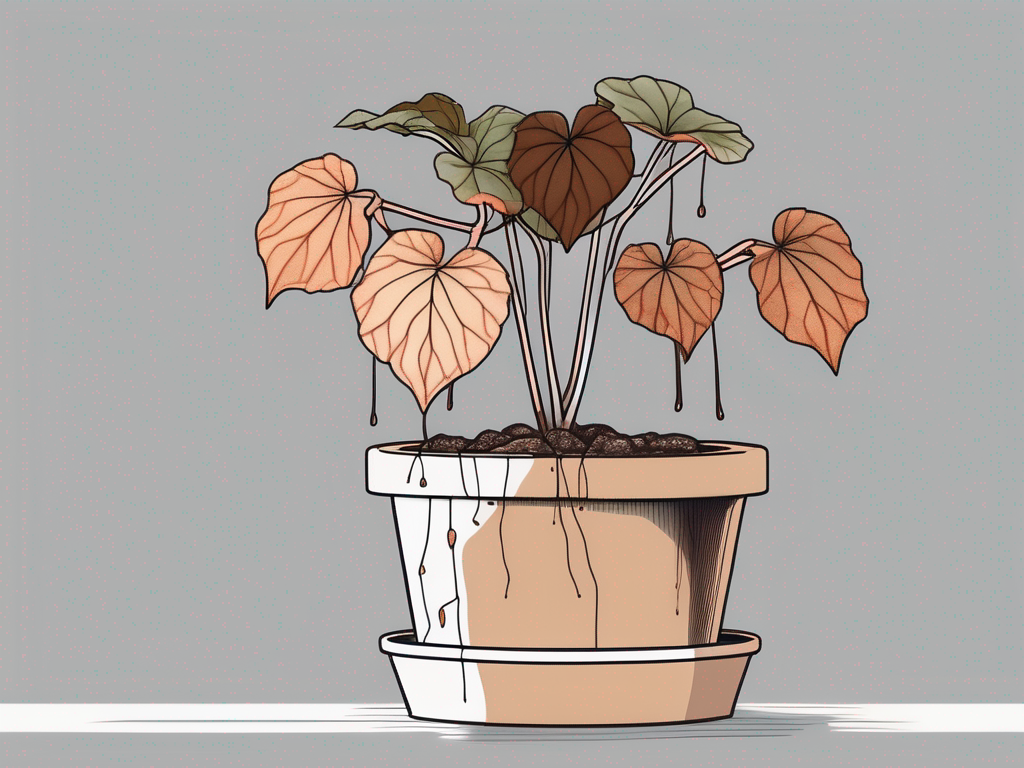
Watering is often where plant care veers into tricky territory, but with the Iron Cross Begonia, it's all about balance. These plants prefer their soil to be consistently moist but not waterlogged. Overwatering can lead to root rot, a common issue with begonias, while underwatering can cause the leaves to wilt and drop.
To find the right watering routine, consider these tips:
- Check the soil moisture by sticking your finger about an inch into the soil. If it feels dry, it's time to water.
- Use lukewarm water and water until it starts to drain from the bottom of the pot. This ensures the roots are getting enough water.
- Allow the top inch of soil to dry out between waterings to prevent overwatering.
Humidity also plays a role in your begonia's health. These plants love humidity, so if your home is particularly dry, especially in winter, consider using a humidity tray or a small humidifier to keep the air around your plant moist.
Choosing the Right Soil and Pot
The Iron Cross Begonia thrives in well-draining soil. A potting mix designed for African violets often works well, or you can create your own blend by mixing equal parts peat moss, perlite, and potting soil. This combination provides the right balance of moisture retention and drainage.
When it comes to pots, ensure you choose one with drainage holes to prevent water from sitting at the bottom and causing root rot. Terracotta pots are a good option because they allow excess moisture to evaporate through their porous walls, which can be especially helpful if you're prone to overwatering.
Repotting your begonia every couple of years, or when you notice it's becoming root-bound, can encourage healthy growth. When repotting, handle the roots gently, and choose a pot that's only slightly larger than the current one to avoid overwhelming the plant with too much soil.
Feeding Your Begonia
Fertilizing your Iron Cross Begonia can help it maintain its vibrant leaf patterns and support overall health. A balanced, water-soluble fertilizer diluted to half strength is usually sufficient. Apply it every four to six weeks during the growing season, which typically runs from spring through summer.
Avoid over-fertilizing, as too much can lead to salt buildup in the soil, which can harm your plant. If you're unsure about how much to use, less is more. It's easier to correct under-fertilizing than to deal with the consequences of over-fertilizing.
Interestingly enough, during the fall and winter months, your begonia will enter a period of dormancy. During this time, cut back on feeding and watering to let the plant rest. It's a natural part of its lifecycle and ensures it comes back strong and healthy when spring arrives.
Dealing with Pests and Problems
Every plant parent knows that pests can sometimes crash the party, and the Iron Cross Begonia is no exception. Common pests include spider mites, aphids, and mealybugs, which can cause damage to the leaves and stunt growth if not addressed.
If you notice small webs, sticky residue, or cotton-like clusters on your plant, it might be time to take action. Here are some steps to combat these pesky intruders:
- Start by isolating the affected plant to prevent the pests from spreading to others.
- Use a gentle stream of water to rinse the leaves and remove some of the pests.
- Apply a natural insecticidal soap or neem oil to the leaves, following the instructions on the product label.
Aside from pests, you might also encounter issues like powdery mildew, especially in humid conditions. To prevent fungal problems, ensure good air circulation around your plant and avoid getting the leaves wet when you water.
Pruning and Propagation
Pruning your Iron Cross Begonia isn't just about keeping it tidy—it's also a way to encourage healthy growth. Trim away any dead or damaged leaves as you notice them. This not only improves the plant's appearance but also helps it direct energy toward new growth.
If you're interested in propagating your begonia to share with friends or expand your collection, leaf cuttings are the way to go. Here's how you can do it:
- Select a healthy leaf and cut it off at the stem with a clean, sharp knife or scissors.
- Place the leaf in a small pot filled with a mixture of peat moss and perlite.
- Keep the soil moist and cover the pot with a plastic bag to create a humid environment.
- Place the pot in a warm, bright area, and in a few weeks, you should see new growth emerging.
Propagation is a rewarding way to expand your plant family, and it's always exciting to see new plants take root and grow.
Incorporating Begonias into Your Space
The Iron Cross Begonia isn't just a plant—it's a statement piece. Its unique leaves make it a perfect focal point in any room, adding texture and color to your interior design. Whether you place it on a shelf, in a hanging planter, or as part of a larger plant arrangement, it can elevate the aesthetic of your space.
Consider pairing it with other plants that have contrasting leaf shapes or colors for a visually appealing display. For instance, the delicate fronds of a fern or the bold leaves of a Monstera can complement the begonia beautifully.
It's also worth mentioning that plants can have a calming effect, improving mood and air quality. So, not only does your begonia look good, but it might make you feel good too!
Creating a Routine
Establishing a care routine for your Iron Cross Begonia can make plant parenting feel less overwhelming and more enjoyable. Try setting specific days for watering and checking on your plant's condition. This consistency helps you remember to care for it and lets you catch any issues early.
Jot down notes if you notice anything unusual—like changes in leaf color or growth patterns. Over time, you'll become more attuned to your plant's needs and better equipped to provide the right care.
Remember, every plant is unique, and finding the right routine might take a little trial and error. Be patient with yourself and your plant, and enjoy the learning process.
Final Thoughts
Caring for an Iron Cross Begonia is a wonderful journey filled with rewarding moments. From its unique foliage to its manageable care routine, this plant is a delightful addition to any home. By understanding its needs, you can ensure it thrives and continues to be a standout piece in your collection.
At Cafe Planta, we believe in the joy of plant care and the connections it fosters. Whether you have questions or need a new addition to your plant family, we're here to help. Reach out via email or connect with us on Instagram. Let's grow together and celebrate the beauty and tranquility plants bring into our lives.