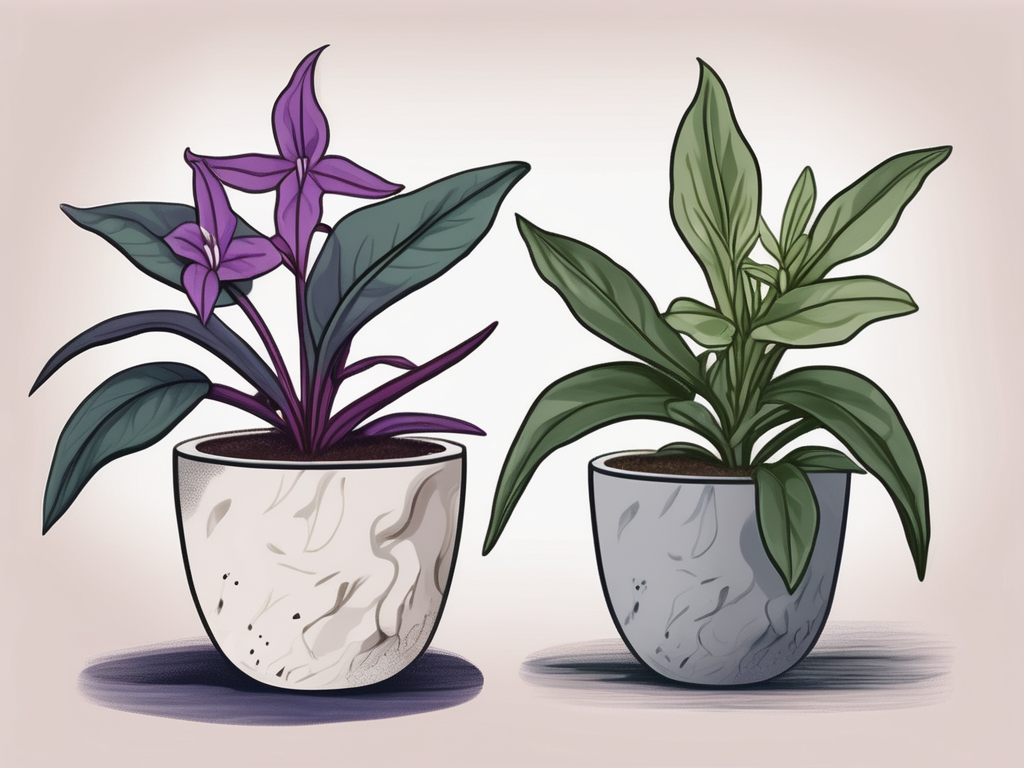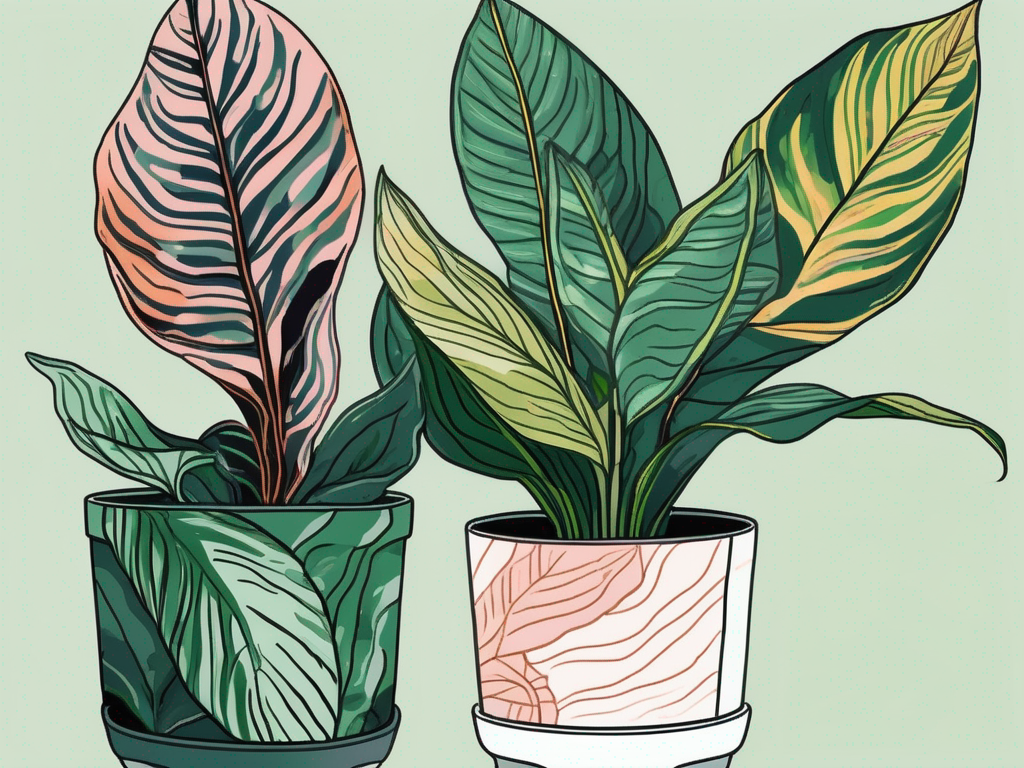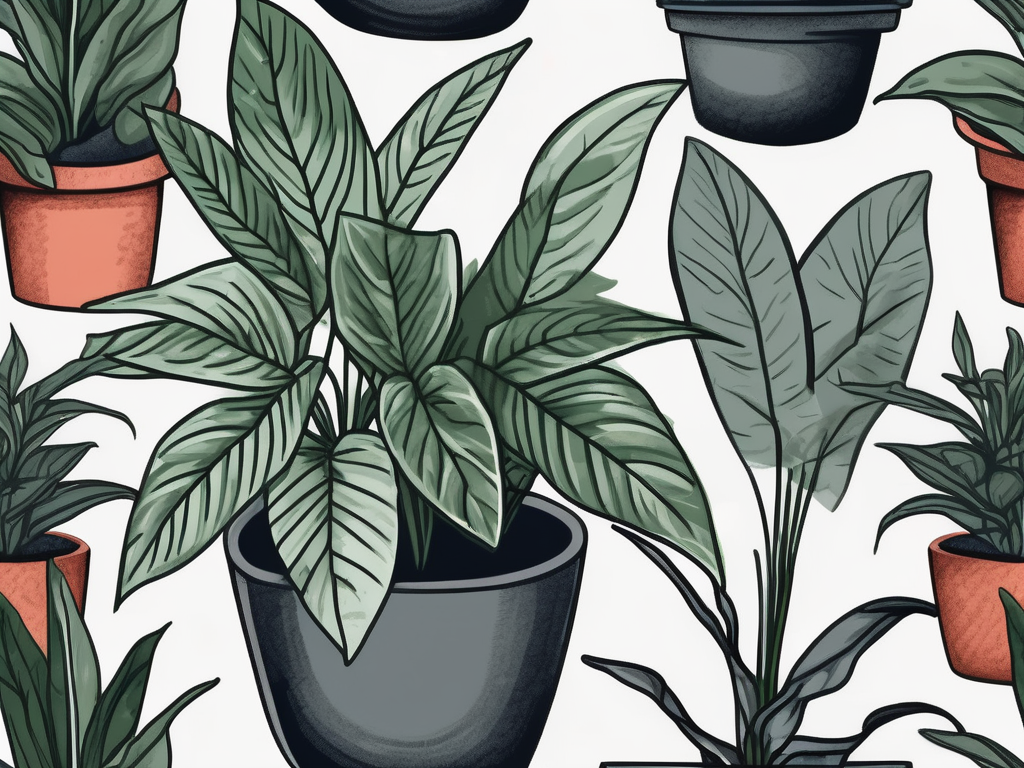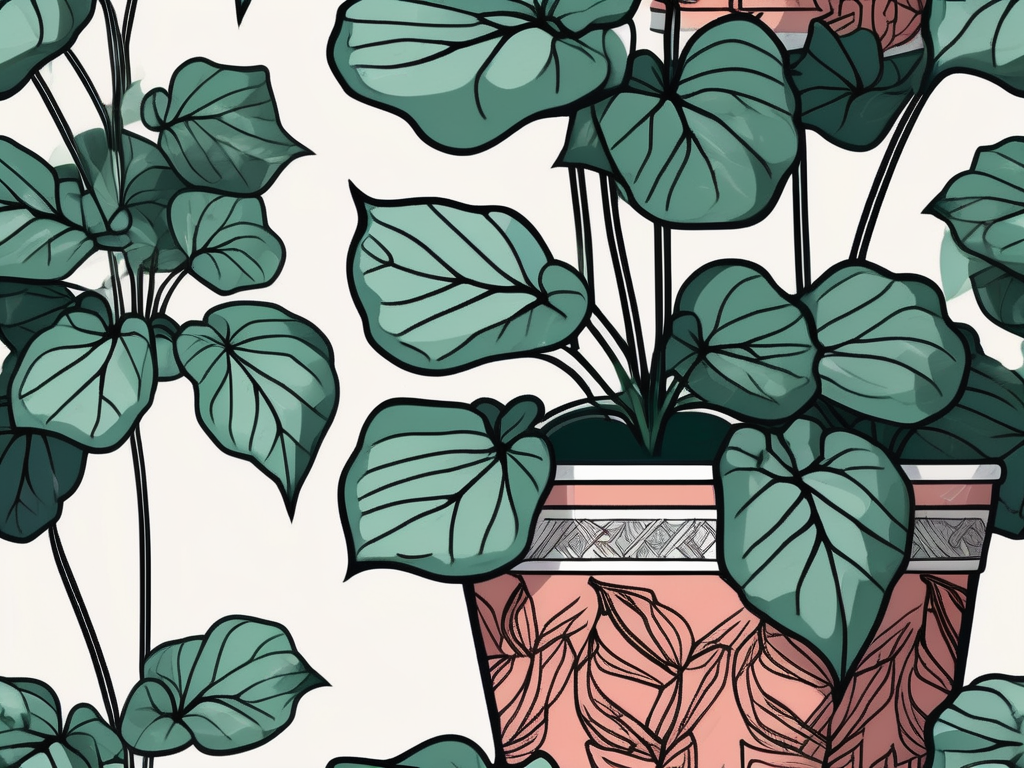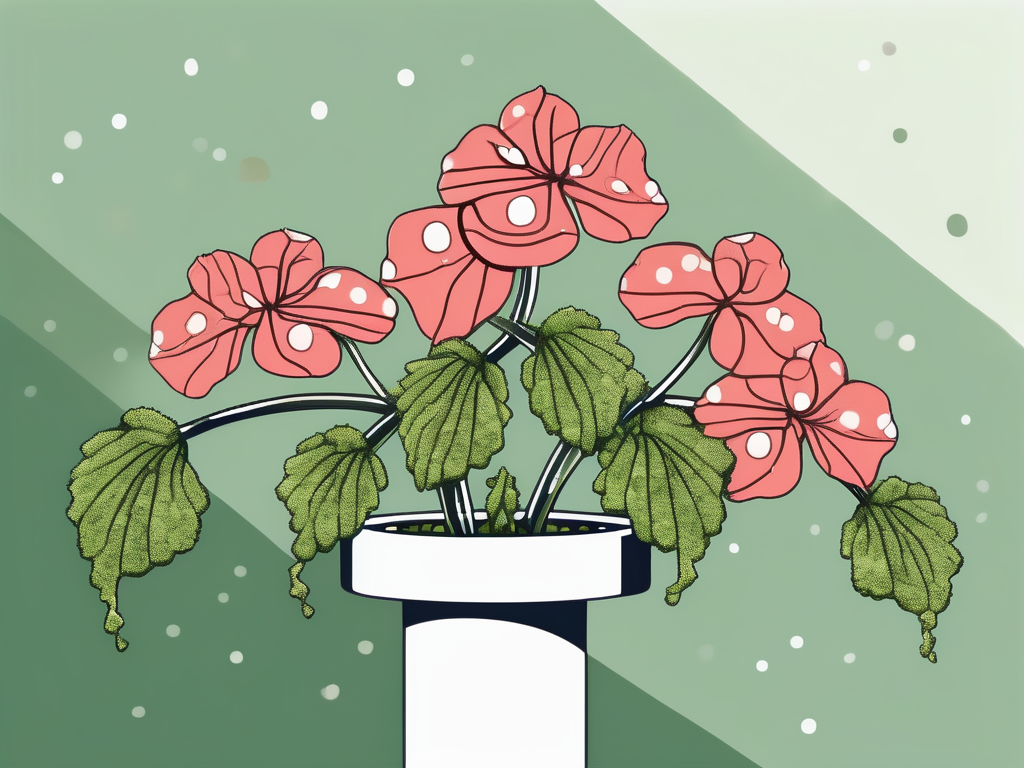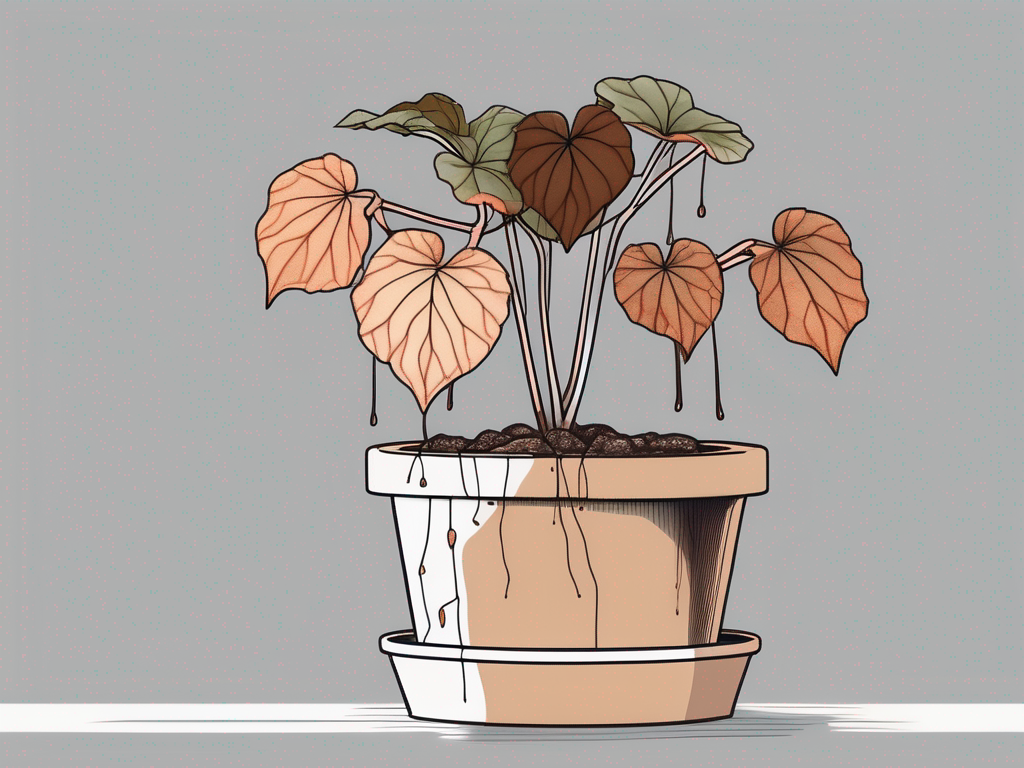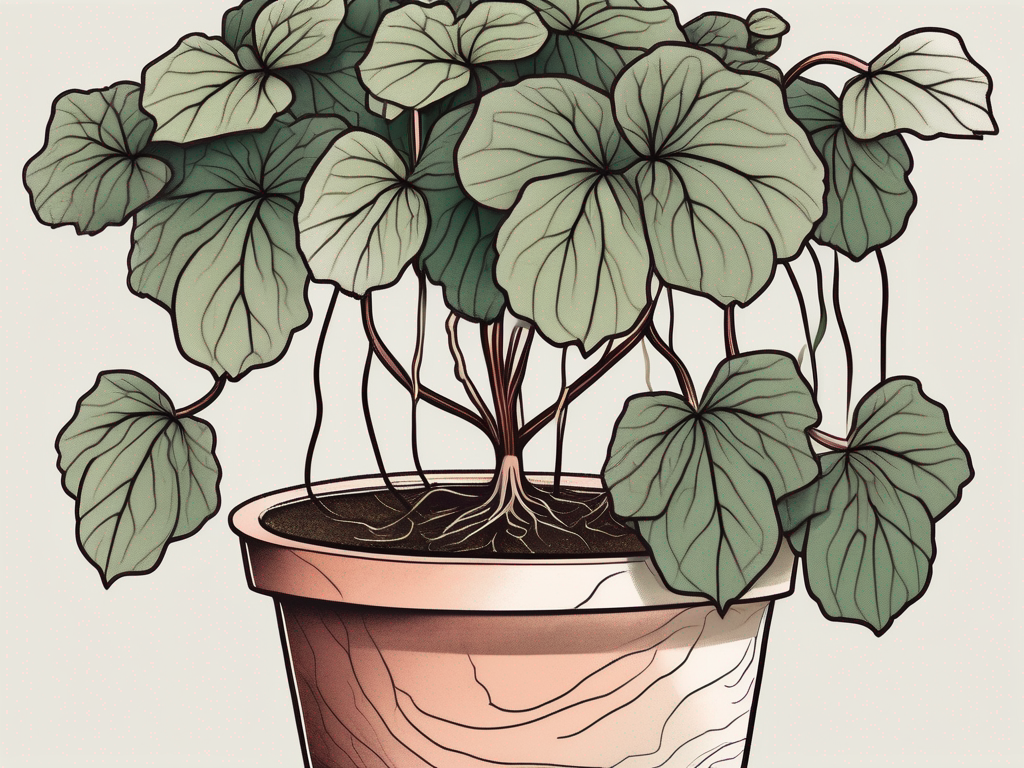
Boliviensis Begonia, a true gem in the plant world, is adored for its vibrant blooms and graceful, cascading foliage. This enchanting plant can transform any dull corner into a lively, inviting space. But how do you ensure it thrives in your home?
In this article, we'll explore everything you need to know about caring for Boliviensis Begonia. From selecting the right pot and soil to tackling pests and designing beautiful spaces, you're in for a treat. Let's dive in!
Choosing the Perfect Spot for Your Boliviensis Begonia
Finding the right spot for your Boliviensis Begonia is like finding a cozy nook in a bustling café. The plant craves a balance of light and warmth, but too much of either can spell trouble. Let's navigate this sweet spot together.
First, consider the light. Boliviensis Begonia loves bright, indirect light, mimicking the dappled sunlight filtering through a forest canopy. A spot near an east or west-facing window works wonders. Avoid direct sunlight, which can scorch the leaves and ruin its charm.
If you're short on natural light, don't worry! Artificial grow lights can be a lifesaver, providing the consistent illumination your plant needs. Just make sure the light is placed about a foot above the plant and runs for 12-16 hours daily.
Temperature is another crucial factor. Boliviensis Begonia thrives in temperatures ranging from 65°F to 75°F (18°C to 24°C). Drafty windows and doors are a no-go, as sudden temperature changes can stress the plant. Keep it cozy, and you'll have a happy Begonia!
Potting and Soil Essentials
Think of potting as giving your Boliviensis Begonia a fashionable home that also supports its well-being. The pot you choose should have drainage holes to prevent waterlogging, which can lead to root rot—a common foe of houseplants.
When it comes to materials, terra cotta pots are fantastic. They allow excess moisture to evaporate, keeping the roots healthy. Plus, they add a rustic charm to your décor. If you're after a more modern look, ceramic or plastic pots work too, as long as they have proper drainage.
Now, let's talk soil. Your Boliviensis Begonia prefers well-draining, nutrient-rich soil. A mix of peat moss, perlite, and potting soil gives the perfect balance of moisture retention and aeration. You can even add orchid bark for extra drainage.
Here's a quick soil recipe to try:
- 2 parts peat moss
- 1 part perlite
- 1 part potting soil
- Optional: 1 part orchid bark
Mix it all together, and your Begonia will have a delightful foundation to flourish!
Watering: Finding the Right Balance
Watering your Boliviensis Begonia can feel like a delicate dance, but with a few tips, you'll find your rhythm. These plants prefer to dry out slightly between waterings, so the key is moderation.
Start by checking the soil moisture about an inch below the surface. If it feels dry, it's time to water. If not, wait a few days and check again. Overwatering is the #1 cause of plant woes, so resist the urge to drench the soil.
When you do water, aim for a gentle, thorough soak. Make sure water flows through the drainage holes, ensuring the roots get a nice drink. Afterward, empty the saucer to prevent the roots from sitting in water.
In terms of frequency, water more often during the growing season (spring and summer) and less during the dormant months (fall and winter). Keep in mind that factors like humidity, temperature, and pot size can affect how quickly the soil dries out, so adjust accordingly.
Feeding Your Begonia: Fertilizer Tips
Feeding your Boliviensis Begonia is like treating it to a gourmet meal. During the growing season, these plants appreciate a boost of nutrients to support their lush growth and vibrant blooms.
A balanced, water-soluble fertilizer with an NPK ratio of 10-10-10 or 20-20-20 works well. Dilute it to half strength and apply every two to four weeks during spring and summer. Remember, less is more—over-fertilizing can harm the plant.
In fall and winter, scale back on feeding. The plant's growth slows, and it requires fewer nutrients. If you're unsure whether to fertilize, err on the side of caution and skip a feeding. Your Begonia will thank you!
Pruning and Deadheading
Pruning and deadheading are essential tasks that keep your Boliviensis Begonia looking its best. Think of it as giving your plant a spa day, complete with a refreshing trim and a little pampering.
Regularly remove spent blooms and yellowing leaves to encourage new growth and prevent diseases. Use clean, sharp scissors or pruning shears to make clean cuts, which help the plant heal faster.
When pruning, focus on shaping the plant and removing any leggy or overgrown stems. This encourages bushier growth and more blooms. Don't be afraid to be a bit bold—you'll be rewarded with a stunning, well-groomed Begonia.
Dealing with Pests
Unfortunately, even the most vigilant plant parent can encounter pests. Boliviensis Begonia can attract spider mites, aphids, and mealybugs, but fear not! With a few strategies, you can keep these intruders at bay.
First, regularly inspect your plant, especially the undersides of leaves, for any signs of pests. Catching them early makes treatment much easier.
If you notice pests, try these solutions:
- Spider mites: Increase humidity and wash the leaves with a gentle stream of water. In severe cases, use insecticidal soap or neem oil.
- Aphids: Wipe the leaves with a damp cloth or spray with a mixture of water and a few drops of dish soap.
- Mealybugs: Dab affected areas with a cotton swab dipped in rubbing alcohol, and follow up with neem oil if needed.
With patience and persistence, you'll have your plant pest-free in no time!
Addressing Fungal Issues
Fungal issues can be a headache for any plant lover, but they don't have to spell disaster for your Boliviensis Begonia. Common culprits include powdery mildew and botrytis blight, both of which thrive in overly moist conditions.
To prevent these issues, ensure good air circulation around your plant and avoid overhead watering. If you notice signs of fungus, like white powdery spots or gray mold, take action promptly:
- Remove affected leaves and dispose of them (don't compost them).
- Improve ventilation and reduce humidity around the plant.
- Use a fungicide or homemade solution (like baking soda mixed with water) to treat the affected areas.
By staying vigilant and applying these tips, you can keep fungal issues under control and your Begonia thriving.
Interior Design with Boliviensis Begonia
Boliviensis Begonia isn't just a plant—it's a statement piece that can elevate your home's aesthetic. Its vibrant blooms and trailing foliage add a touch of elegance and color to any space.
Here are some ideas to incorporate your Begonia into your décor:
- Hanging baskets: Showcase its cascading foliage by placing it in a hanging basket near a window. This not only saves space but adds visual interest at eye level.
- Window sills: If you have a sun-drenched window, place your Begonia in a decorative pot to brighten up the space.
- Table centerpieces: Use your Begonia as a centerpiece on your dining or coffee table. Pair it with complementary plants or decorative items for a cohesive look.
Let your creativity flow, and you'll find endless ways to enjoy the beauty of your Boliviensis Begonia in your home.
Repotting and Propagation
Repotting your Boliviensis Begonia is an occasional task that ensures its continued growth and health. Typically, you'll want to repot every 1-2 years, or when you notice the plant becoming root-bound (roots growing out of the drainage holes).
When repotting, choose a pot one size larger and follow the potting and soil guidelines we discussed earlier. Gently loosen the root ball and remove any dead or damaged roots before placing the plant in its new pot.
Propagation is a fun way to expand your plant collection or share the joy of Boliviensis Begonia with friends. Stem cuttings are a popular method:
- Take a 4-6 inch cutting from a healthy stem, just below a leaf node.
- Remove the lower leaves, leaving a few at the top.
- Dip the cut end in rooting hormone (optional) and plant it in a moist, well-draining soil mix.
- Cover with a plastic bag or dome to maintain humidity and place in bright, indirect light.
- In a few weeks, you should see new growth, signaling successful propagation!
With a little patience, you'll have new plants to enjoy or gift to fellow plant lovers.
Final Thoughts
Caring for Boliviensis Begonia can be a rewarding journey, filled with vibrant blooms and lush greenery. By understanding its needs and giving it the right environment, you can create a thriving space that brings joy and beauty to your home.
At Cafe Planta, we're passionate about helping you succeed in your plant journey. Whether you're a seasoned plant parent or just starting out, we offer a variety of houseplants and care accessories to suit your needs. If you have questions, feel free to email us or send us a message on Instagram. Let's grow together!