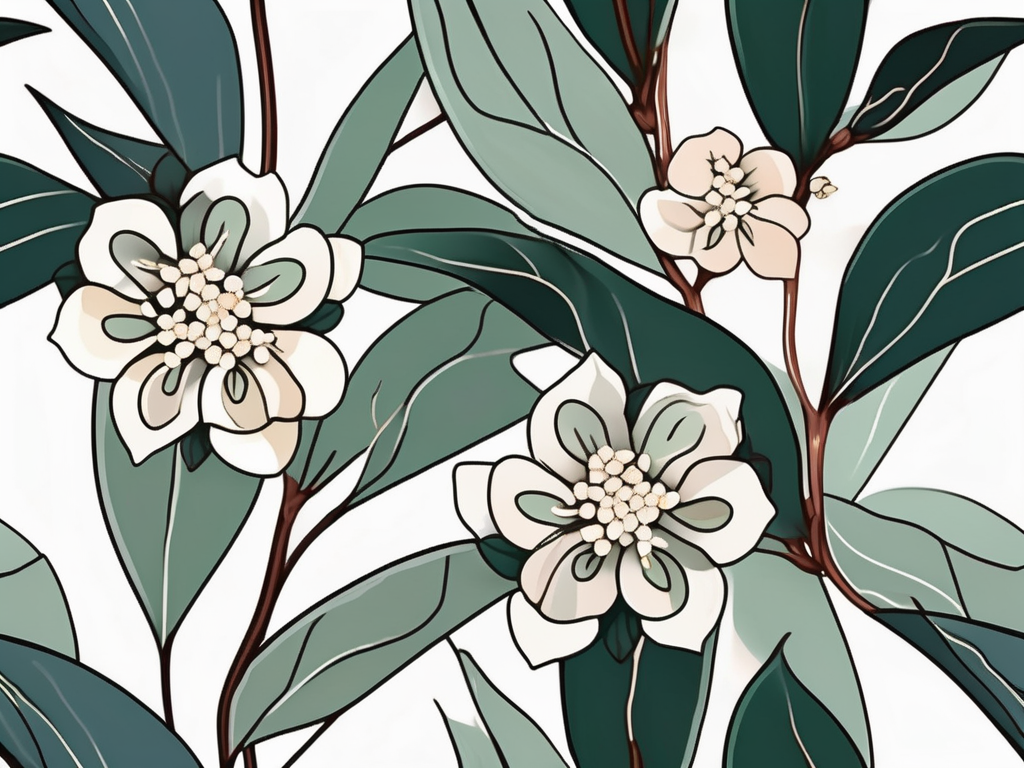
Hoya plants, often lovingly called wax plants, are a delightful addition to any indoor garden. With their thick, waxy leaves and fragrant, star-shaped flowers, they bring a touch of the exotic to your home. If you're a fan of plants that are both beautiful and relatively low-maintenance, Hoyas might just be your new favorite.
In this article, we'll go through everything you need to know to keep your Hoya happy and healthy. From picking the right spot in your home to understanding their watering needs and dealing with any pesky pests, we've got you covered. Let's dive into the wonderful world of Hoya care!
Choosing the Right Hoya for Your Home
The first step in your Hoya journey is selecting the right variety for your space. Hoyas come in many shapes and sizes, from the common Hoya carnosa to the striking Hoya kerrii, known for its heart-shaped leaves. Consider the following when choosing a Hoya:
- Space: Some Hoyas can grow quite large, while others, like the Hoya retusa, stay compact. Assess the space you have available to ensure your plant has room to flourish.
- Lighting: Hoyas generally prefer bright, indirect light, but some varieties can tolerate lower light conditions. Make sure the spot you choose matches the light needs of your Hoya.
- Personal preference: With such a wide variety of Hoyas available, you're sure to find one that suits your style. Whether you prefer trailing vines or upright growth, there's a Hoya for you.
Once you've considered these factors, visit a local nursery or check out online plant shops to find your perfect match. Remember, it's okay to start with just one plant and expand your collection as you become more confident in your Hoya care skills.
Finding the Perfect Spot
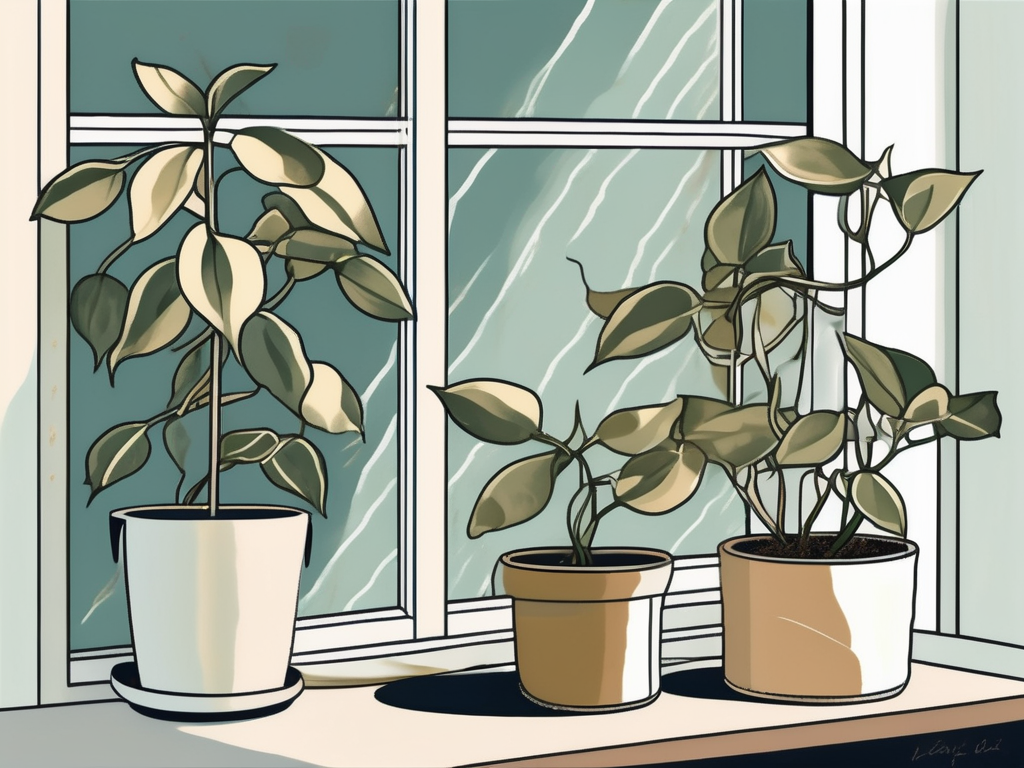
Hoyas are pretty forgiving when it comes to light, but they do have some preferences. Generally, they thrive in bright, indirect light. Think of it as the kind of light you'd get near a north- or east-facing window. Too much direct sunlight can scorch their leaves, so if your only option is a south-facing window, consider using sheer curtains to filter the light.
On the other hand, if your Hoya isn't getting enough light, you might notice slow growth and a lack of blooms. If that's the case, consider moving it to a brighter spot or supplementing with a grow light. It's all about finding that sweet spot where your Hoya can soak up the light without getting sunburned.
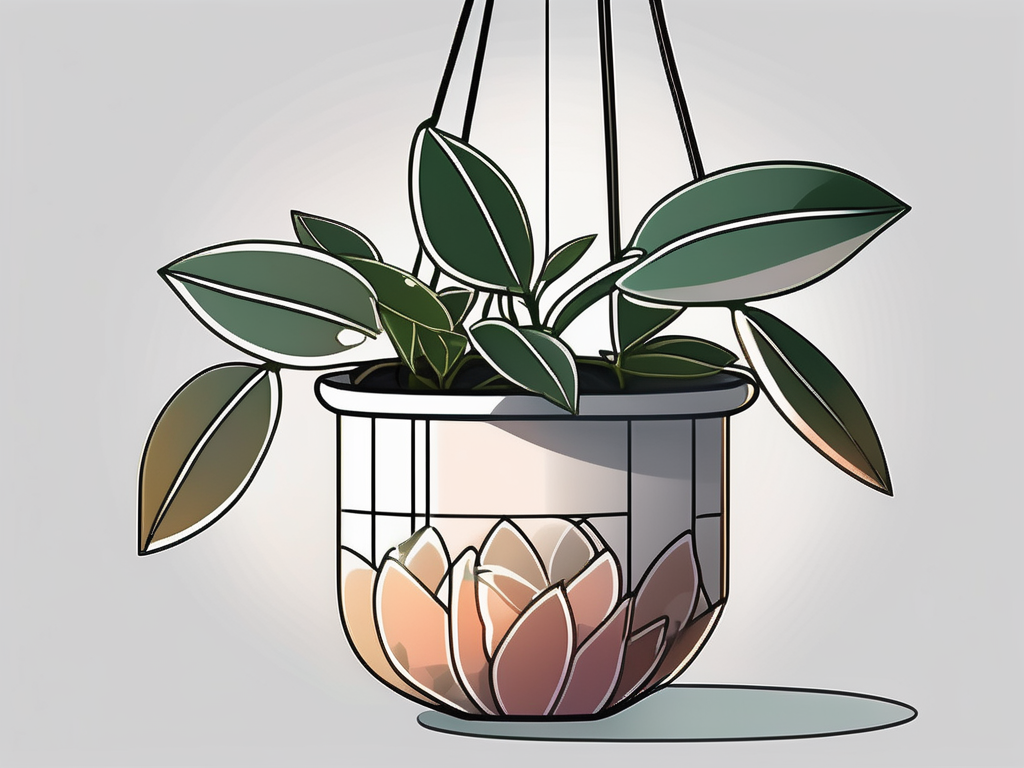
An added bonus? Hoyas love to climb and trail, so placing them in a hanging pot or near a trellis can encourage their natural growth habits and add some vertical interest to your space.
Watering Wisely
One of the biggest mistakes new plant parents make is overwatering. Hoyas are no exception. These plants prefer to dry out a bit between waterings, so it's crucial to let the top few inches of soil dry out before reaching for the watering can.
Here's a simple way to check: stick your finger about an inch into the soil. If it feels dry, it's time to water. If it's still damp, give it a few more days. When you do water, make sure to do so thoroughly, allowing water to drain out of the pot's bottom.
Keep in mind that Hoyas are somewhat drought-tolerant, so erring on the side of underwatering is usually better than overwatering. During the cooler months, you may find you need to water even less frequently as the plant's growth slows down.
Soil and Potting Tips
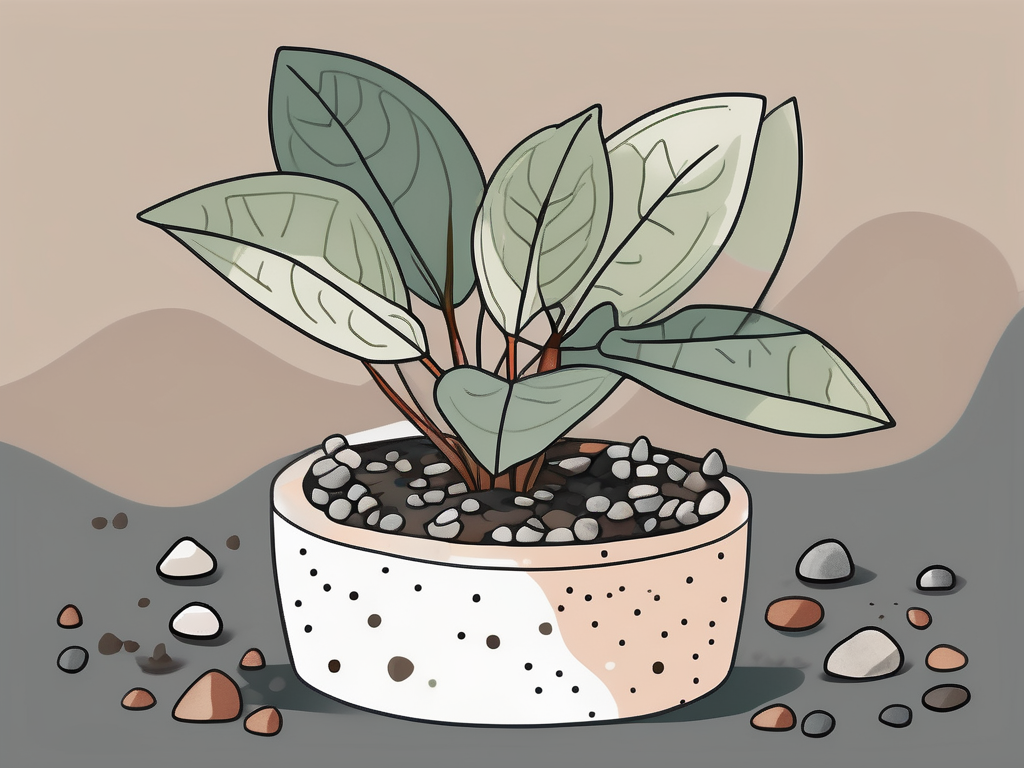
Choosing the right soil is vital for your Hoya's health. These plants prefer a well-draining mix, as they don't like to sit in soggy soil. Consider using a mix designed for succulents or cacti, or create your own by combining potting soil with perlite and orchid bark. This combination mimics the natural environment of Hoyas, allowing their roots to breathe.
When it comes to pots, drainage is your best friend. Make sure your pot has a drainage hole to prevent water from pooling at the bottom. While repotting isn't necessary frequently, it's a good idea to refresh the soil every couple of years to keep it from becoming compacted and to check for any root issues.
If you're repotting, choose a pot that's only slightly larger than the current one. Hoyas tend to do better when they're a bit root-bound, so resist the urge to give them too much space.
Feeding Your Hoya
Just like us, Hoyas appreciate a little extra nutrition now and then. During the growing season (spring and summer), feeding your plant every four to six weeks with a balanced, water-soluble fertilizer can promote healthy growth and flowering.
Be careful not to over-fertilize, as this can lead to salt build-up in the soil and potentially harm your plant. In the fall and winter, when growth slows, you can skip the fertilizer altogether.
If you're unsure about which fertilizer to use, look for one labeled for houseplants and follow the instructions on the package. Remember, less is often more when it comes to feeding plants.
Encouraging Blooms
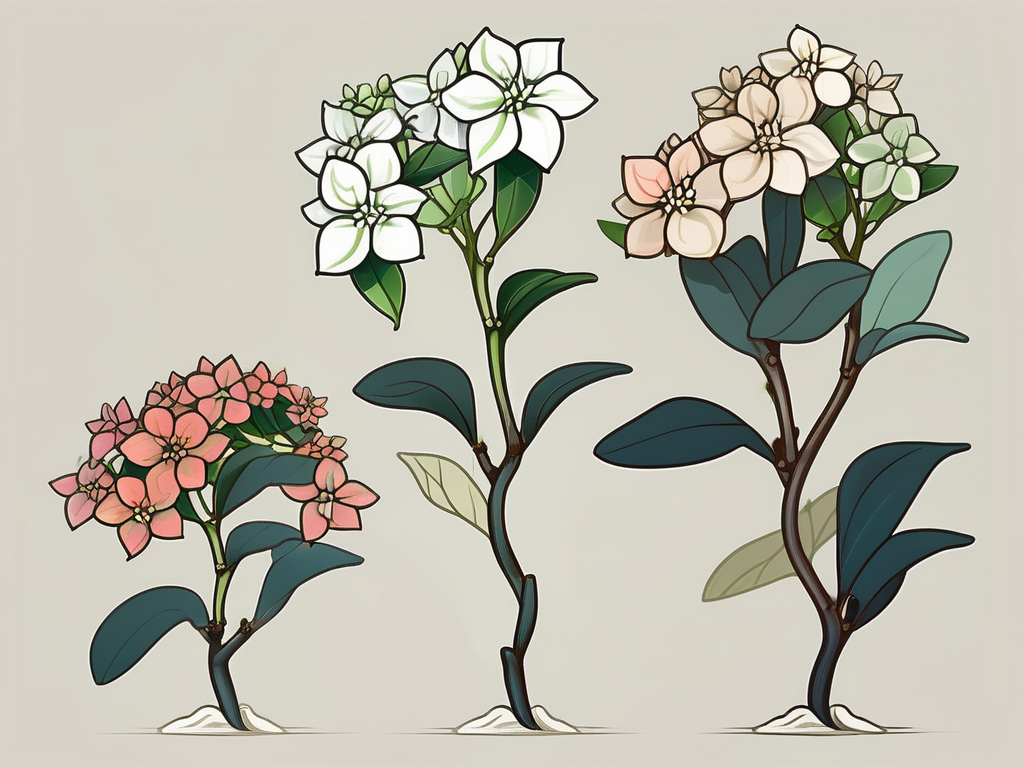
One of the most rewarding aspects of Hoya care is watching them bloom. These fragrant flowers are a sight to behold, and with a little patience and the right conditions, your Hoya can produce them too.
First, make sure your plant is getting enough light. Blooms are more likely to occur with bright, indirect light. Secondly, don't be too eager to repot. Hoyas bloom best when they are a bit root-bound, so give them some time to settle into their pot.
Some plant people suggest allowing the plant to experience a slight temperature drop at night during the fall to encourage flowering. This mimics the natural conditions Hoyas might experience in their native habitat. If your Hoya is mature and healthy but still not blooming, it might just need a little more time. Patience is key!
Dealing with Pests
Like any houseplant, Hoyas can sometimes attract unwanted guests. Common pests include mealybugs, spider mites, and aphids. The good news? They're usually easy to manage if caught early.
Regularly inspect your plant, especially the undersides of leaves and new growth. If you spot any bugs, here are a few steps you can take:
- Isolation: Move the affected plant away from others to prevent the spread of pests.
- Manual Removal: Use a damp cloth or cotton swab to gently remove visible pests.
- Natural Remedies: Neem oil or insecticidal soap can be sprayed on leaves to deter pests.
Repeat treatments as necessary and be patient. With consistent care, your Hoya should recover and thrive.
Pruning and Propagation
Pruning your Hoya isn't just about keeping it tidy—it's a great way to encourage healthy growth and even propagate new plants. Trim back any dead or damaged leaves with clean scissors, making sure to leave a bit of stem on the plant.
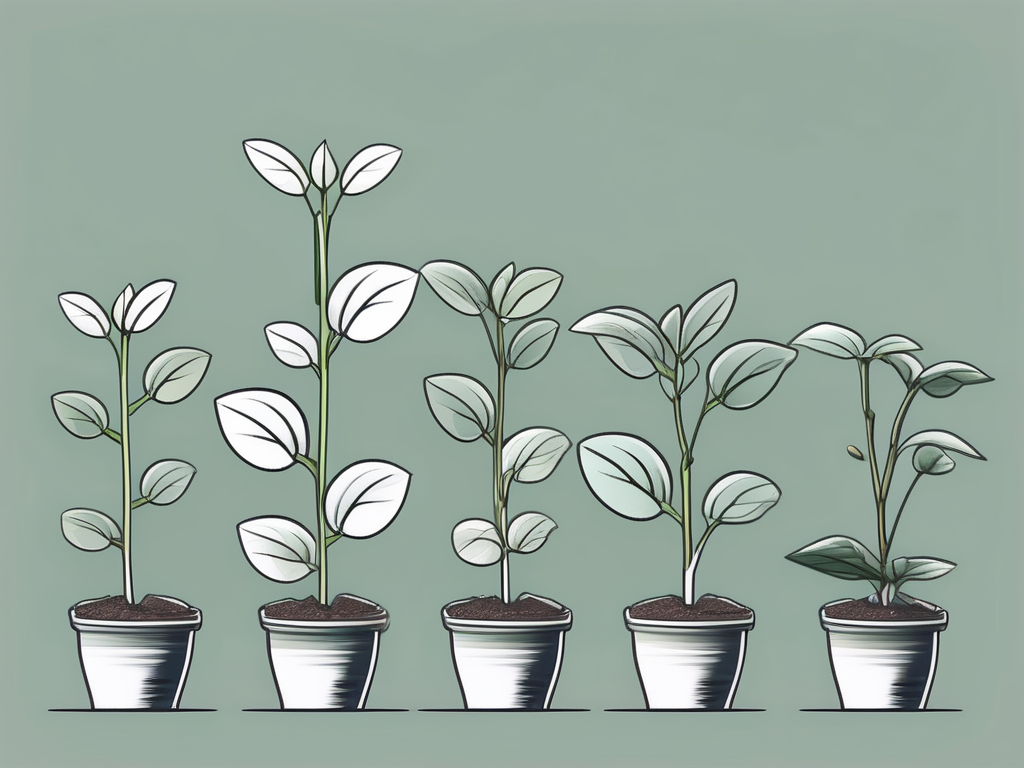
For propagation, cut a healthy stem with a few leaves and nodes. Place it in water or a soil mix, keeping it warm and humid until roots develop. This is a fantastic way to expand your Hoya collection or share with friends.
Remember, patience is your best friend here. It might take a little while for roots to form, but once they do, you'll have a new plant to enjoy.
Incorporating Hoyas into Your Interior Design
Hoyas are not just plants; they're an integral part of home decor. Their unique foliage and charming flowers can complement various interior styles, from modern to bohemian.
Consider the following ideas to integrate your Hoya into your home:
- Hanging Planters: Hoyas with trailing vines look stunning in hanging pots, adding a vertical element to your space.
- Bookshelves: Let your Hoya's vines cascade down a bookshelf for a touch of greenery amidst your collection.
- Table Centerpieces: Use a Hoya in a decorative pot as a centerpiece for your dining or coffee table.
However you choose to display your Hoya, make sure it's in a spot that meets its light requirements while adding beauty to your home.
Final Thoughts
Caring for a Hoya involves understanding its needs for light, water, and nutrients, as well as being proactive about potential pest issues. With the right care, these stunning plants can thrive and bring beauty to your home for years to come.
At Cafe Planta, we're passionate about helping you succeed with your plant care journey. Whether you have questions about your Hoyas or need to find the perfect addition to your plant family, don't hesitate to email us or reach out on Instagram. We believe in the power of plants to bring joy and connection—and we're here to support you every step of the way.