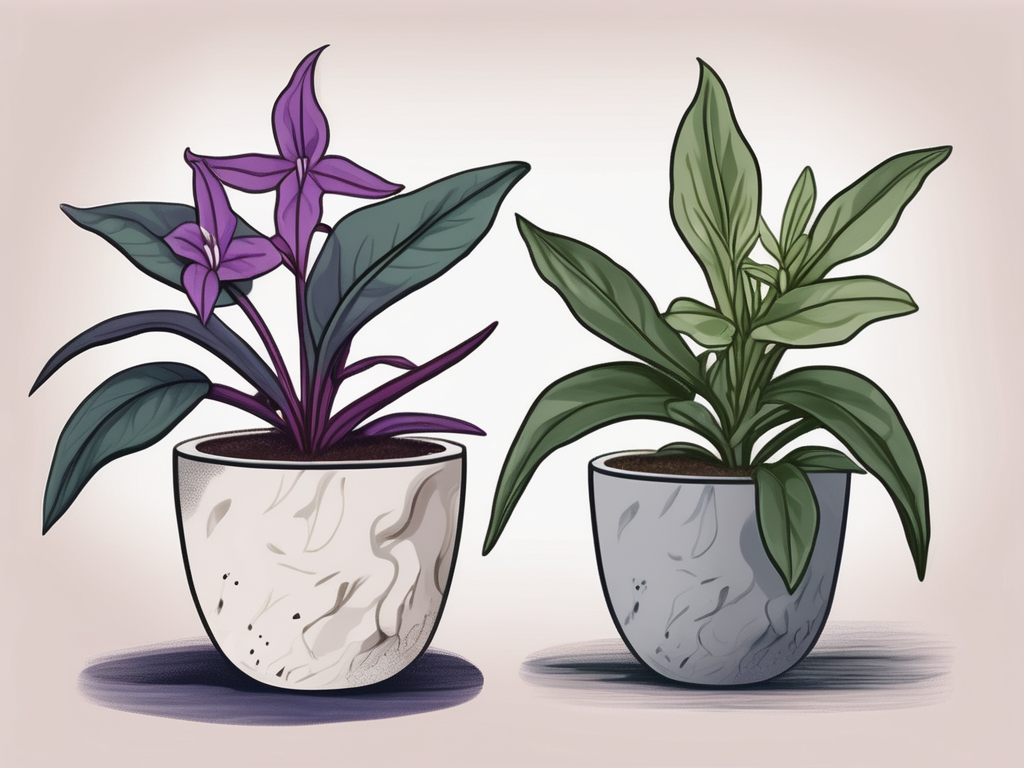
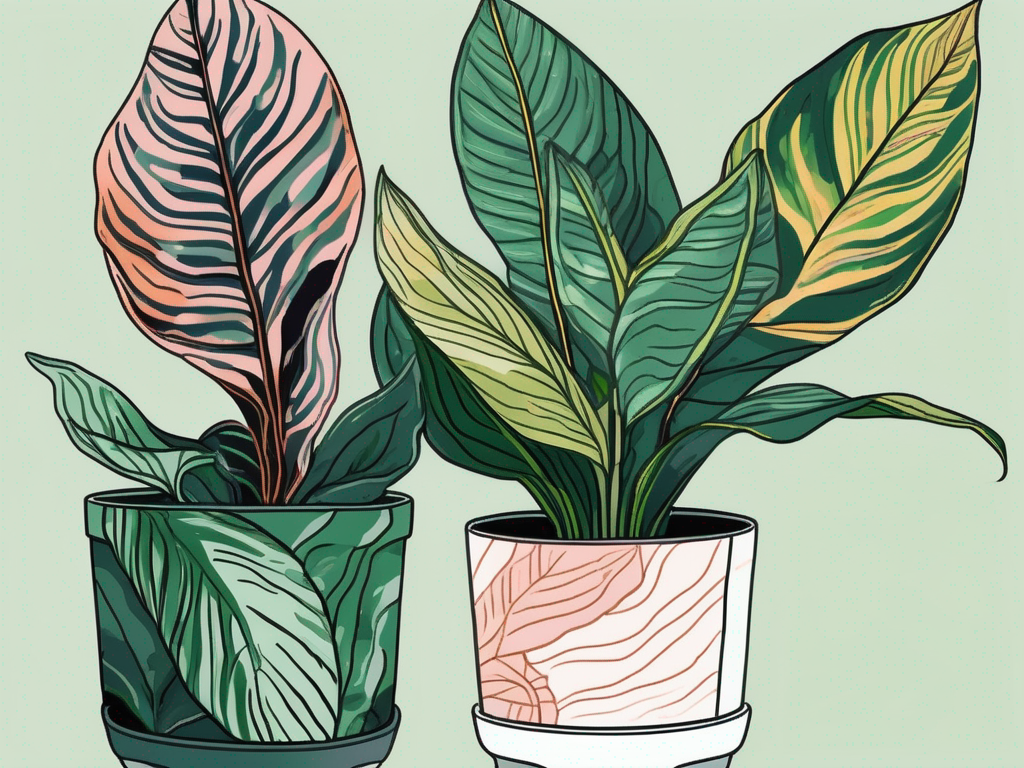
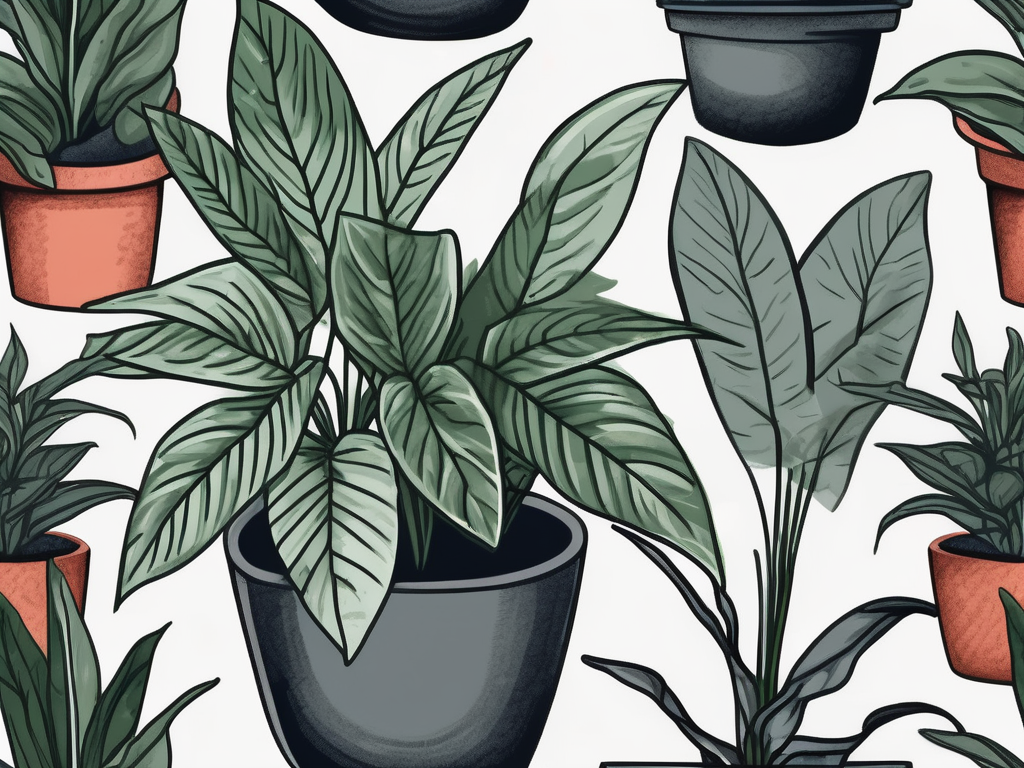
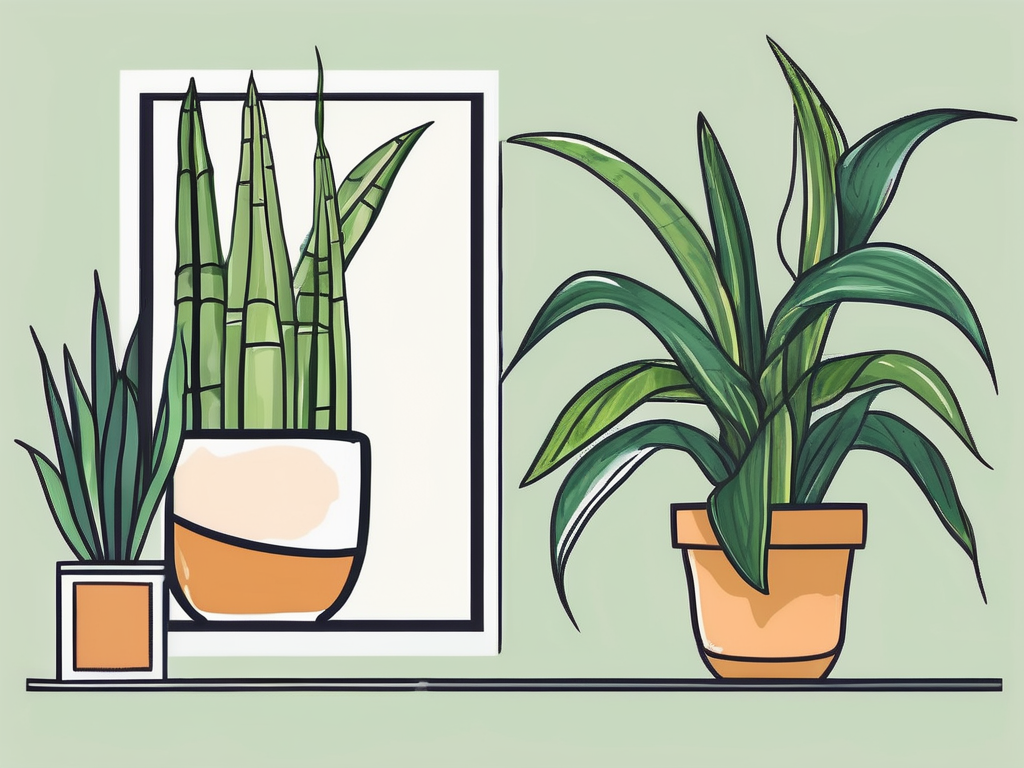
Geo plants, with their unique geometric patterns and stunning foliage, have captured the hearts of many plant lovers. Whether you're a seasoned plant parent or just starting out, the allure of these striking plants is hard to resist. But like any other houseplant, they require a bit of know-how to thrive indoors.
In this guide, we'll walk you through everything you need to know to keep your geo plants looking their best. From selecting the right plant for your space to dealing with common pests and designing a beautiful plant-filled room, we've got you covered. Ready to dive into the world of geo plant care? Let's get started!
Choosing the Right Geo Plant
Before you even bring a geo plant home, it's important to think about which type will best suit your environment and lifestyle. Geo plants are known for their bold patterns and unique geometric leaf shapes, making them a standout addition to any room. But with so many varieties out there, how do you pick the right one?
First, consider the lighting conditions in your home. Geo plants, like many other houseplants, have specific light requirements. Some prefer bright, indirect light, while others can tolerate lower light conditions. For example, the popular Calathea orbifolia thrives in medium to low light, making it perfect for a spot away from direct sun.
Next, think about the size of the plant. Do you want a small desk companion or a larger statement piece for your living room? Geo plants come in a range of sizes, so there's something for every space. If you're short on space, a smaller plant like a Peperomia might be ideal, whereas a larger Alocasia could be the perfect focal point for a bigger room.
Finally, consider your ability to care for the plant. Some geo plants are more forgiving than others. If you're a beginner, start with a lower-maintenance option such as a ZZ plant, which is known for its resilience. If you're up for a challenge, you might try a more finicky variety like a Calathea, which requires a bit more attention.
Potting and Soil Care
Once you've chosen your plant, it's time to think about potting and soil care. The right pot and soil can make a huge difference in your geo plant's health and longevity. So, let's dig into the details.
First off, ensure your pot has drainage holes. This is crucial as it prevents water from sitting at the bottom, which can lead to root rot. If you've found the perfect decorative pot but it lacks drainage, consider placing a smaller plastic pot with holes inside it.
As for soil, geo plants generally prefer a well-draining mix. You can create your own by combining potting soil with perlite or sand to improve drainage. A good rule of thumb is to aim for a mix that's light and airy, allowing roots to breathe while still retaining enough moisture.
When potting your plant, gently remove it from its nursery pot and loosen any tightly bound roots. Place it in your chosen pot, filling around it with your soil mix. Be sure not to bury the plant too deeply, and water it thoroughly once potted.
Remember, geo plants don't like to be overwatered, so let the top inch of soil dry out before watering again. Over time, you’ll get a feel for how often your specific plant needs watering, which can vary based on factors like humidity and temperature.
Watering Your Geo Plant
Watering is one of the most important aspects of geo plant care, and getting it right can sometimes be a bit tricky. Here's how you can ensure your plant gets just the right amount of hydration.
Geo plants typically like their soil to dry out a bit between waterings. As a general guide, check the top inch of soil—if it's dry, it's time to water. If it’s still moist, hold off for a few more days. This can vary slightly depending on the plant, so it's always good to research your specific variety.
When you do water, make sure to soak the soil thoroughly. This ensures that water reaches all parts of the root system. After watering, allow excess water to drain out of the pot to prevent root rot. If your plant is sitting in a saucer, remember to empty it after watering.
Another tip is to use room-temperature water. Cold water can shock the plant, while hot water might damage the roots. Also, if possible, use filtered or distilled water since geo plants can be sensitive to chemicals found in tap water, like chlorine or fluoride.
Finally, keep in mind that your plant's watering needs can change with the seasons. In the warmer months, it may need more frequent watering, while in the cooler months, less frequent watering may be necessary.
Lighting Needs
Lighting is another critical factor in keeping your geo plant healthy and vibrant. These plants are generally not fans of direct sunlight, which can scorch their leaves. Instead, they thrive in bright, indirect light.
If you're unsure about the lighting conditions in your home, observe where natural light falls throughout the day. A spot that receives filtered light through a sheer curtain, or one that's near but not directly in front of a window, is often perfect for geo plants.
For rooms with less natural light, you might need to get creative. Consider using artificial lights to supplement sunlight. LED grow lights are a great option, as they simulate the natural light spectrum and can help keep your plants happy even in darker spaces.
On the flip side, if you notice your plant's leaves are turning yellow or brown, it might be getting too much light. Move it to a less sunny spot and observe how it responds.
Remember, each plant is unique in its needs, so a little trial and error might be necessary to find the ideal spot in your home.
Humidity and Temperature
Geo plants often come from tropical regions, which means they love humidity. If the air in your home is dry, especially in the winter months, you might need to take some extra steps to keep your plants happy.
One simple way to increase humidity is by misting your plants regularly. You can also place a small humidifier nearby, which can be a game-changer for your plants.
Another option is to group your plants together. This creates a microenvironment where humidity levels are naturally higher. Just be mindful of over-crowding, as plants still need good air circulation.
As for temperature, geo plants generally prefer it on the warmer side. They’re comfortable in temperatures between 65°F and 75°F. Avoid placing them near drafts, air conditioning vents, or heaters, as sudden temperature changes can stress them out.
Dealing with Pests
Even with the best care, geo plants can sometimes fall victim to pests. Common culprits include spider mites, mealybugs, and aphids. But don't worry—most pest issues can be resolved with a little patience and the right approach.
The first step is to regularly inspect your plants. Catching pests early makes them much easier to handle. Look for signs like discolored leaves, webbing, or tiny insects on the undersides of leaves.
If you do spot pests, start by isolating the affected plant to prevent the problem from spreading. Then, gently wash the plant with a mixture of water and mild dish soap. This can help remove many types of pests.
For a more stubborn infestation, you might need to use a natural insecticide like neem oil. Apply it according to the instructions on the bottle, making sure to cover all parts of the plant.
Remember to be patient—getting rid of pests can take time. Consistency is key, so keep up with treatments until you’re sure the pests are gone.
Fertilizing Your Geo Plant
Fertilizing is like giving your geo plant a little extra boost, helping it to grow strong and healthy. But how do you know when and what to feed your plant?
During the growing season, typically spring and summer, your geo plant will appreciate a little extra nutrition. A balanced liquid fertilizer, applied every 4-6 weeks, is usually sufficient. Make sure to dilute it according to the package instructions to avoid over-fertilizing, which can harm your plant.
In the fall and winter, your plant's growth will naturally slow down, so you can cut back on feeding. Some plant people even stop fertilizing altogether during these months.
Keep an eye on your plant's response to fertilization. If you notice yellowing leaves or slow growth, it might be a sign of nutrient deficiency. Adjust your feeding schedule as needed.
As always, each plant is different, so a bit of experimentation may be necessary to find what works best for your specific geo plant.
Designing with Geo Plants
Now that your geo plants are thriving, it's time to think about how to incorporate them into your home decor. These plants can be a stunning addition to any room, offering both beauty and a touch of nature.
Start by considering the aesthetic you want to achieve. Geo plants work well in modern, minimalist spaces, thanks to their bold geometric patterns. But they can also add an interesting contrast in more traditional or eclectic settings.
Consider groupings of different geo plants for a lush, layered effect. Varying the heights and textures of your plants can create visual interest and draw the eye.
You can also think about the containers you use. Decorative pots in neutral tones can let the plants' natural beauty shine, while colorful or patterned pots can add an extra pop of style.
Finally, don't be afraid to get creative with placement. Hanging planters, wall-mounted displays, and plant stands can all be used to showcase your geo plants in unique and unexpected ways.
Final Thoughts
Caring for geo plants might seem like a lot to take in, but with a little practice, it can become second nature. From choosing the right plant to understanding its unique needs, these tips will help you create a thriving indoor garden.
At Cafe Planta, we believe that plants have the power to bring people together and inspire us to connect with nature. Whether you're a seasoned plant parent or just starting out, we're here to help. Feel free to email us or DM us on Instagram with any questions. We look forward to sharing our love of plants with you!