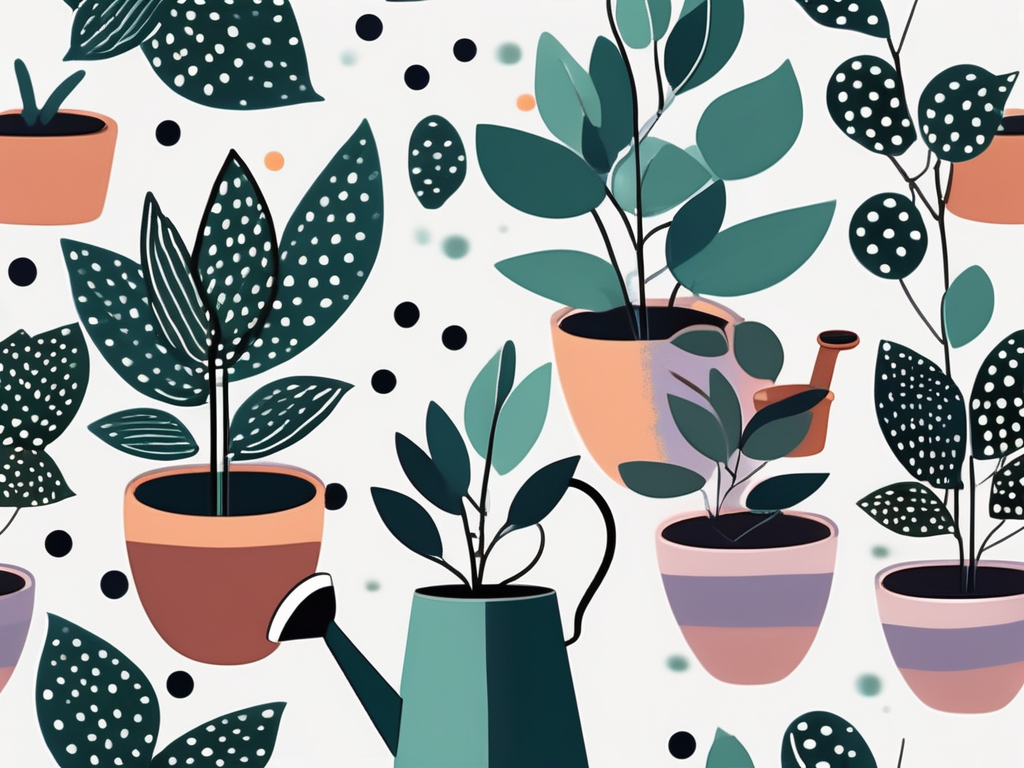
Ah, the humble Polka Dot Plant. With its playful speckled leaves that bring a splash of color to any room, it's no wonder this quirky little plant has captured the hearts of plant people everywhere. Whether you're a seasoned plant parent or just starting your green-thumb journey, the Polka Dot Plant makes for a delightful addition to your indoor jungle.
Throughout this post, we'll explore everything you need to know about caring for your Polka Dot Plant. From choosing the right pot and soil to tackling pests and creating a stylish plant display, we've got you covered. So, grab a cup of tea and settle in as we discuss how to help your Polka Dot Plant thrive.
Getting to Know Your Polka Dot Plant
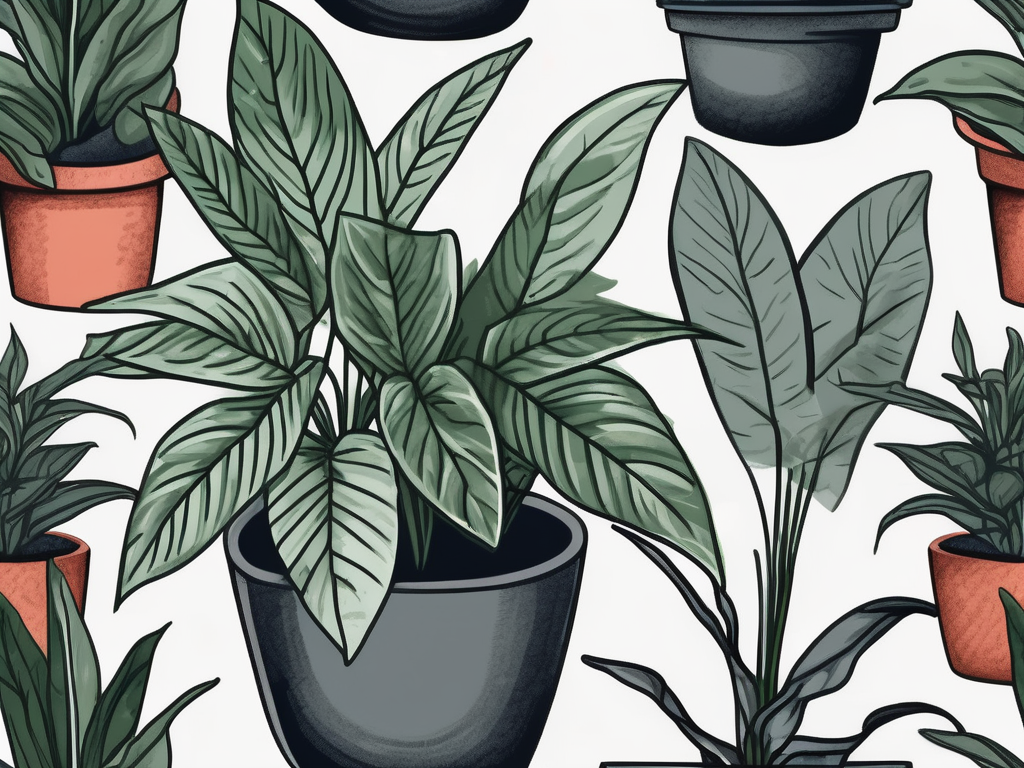
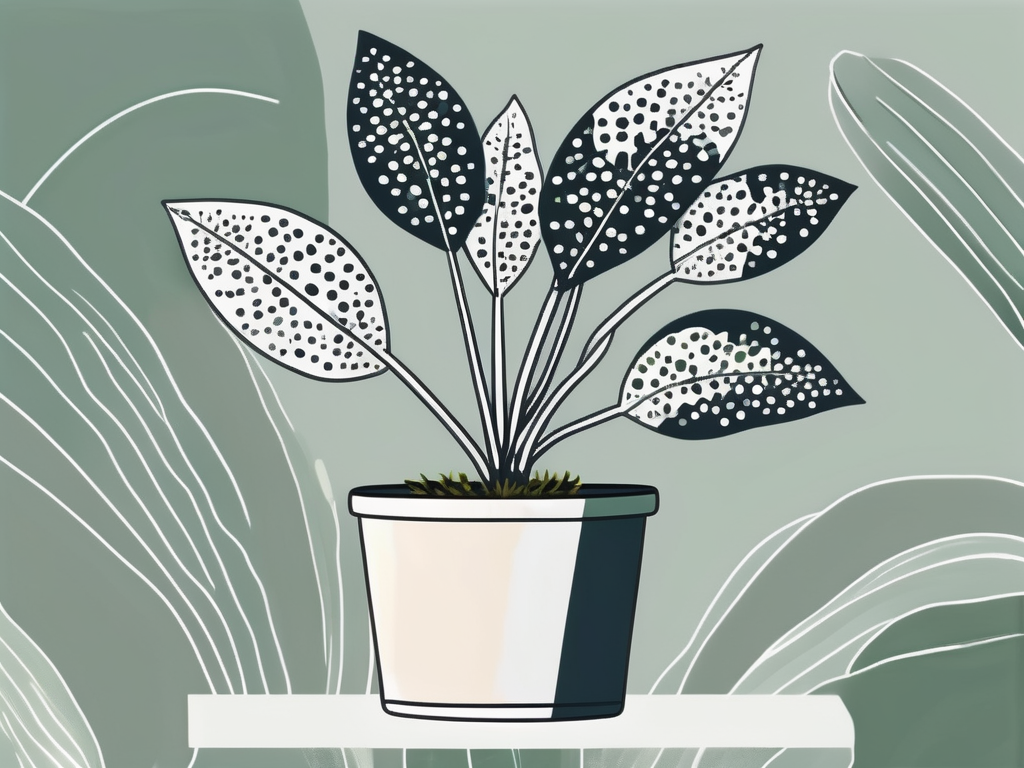
Before we dive into the nitty-gritty of plant care, let's first get acquainted with our leafy friend. The Polka Dot Plant, scientifically known as Hypoestes phyllostachya, hails from the tropical regions of Madagascar. It's cherished for its vibrant leaves, which are often speckled with pink, white, or red dots—a feature that gives the plant its charming name.
These plants are relatively small, typically growing up to 12 inches tall, making them perfect for tabletops and windowsills. They thrive in warm, humid environments, which is something to keep in mind when setting up their new home. With the right care, these plants can live for several years, providing a burst of color and joy to your space.
While Polka Dot Plants are generally easy to care for, they do have their quirks (don't we all?). Understanding these quirks will help you create the optimal environment for your plant, ensuring it stays healthy and vibrant. Now, let's move on to the essentials of Polka Dot Plant care.
Choosing the Right Pot and Soil
Finding the perfect pot for your Polka Dot Plant is like finding the right pair of shoes—it needs to be the right fit. When it comes to pots, drainage is key. Your plant will benefit from a pot with drainage holes at the bottom to prevent water from pooling, which can lead to root rot.
As for the soil, Polka Dot Plants prefer a well-draining mix. You can opt for a standard potting mix, but adding a bit of perlite or sand can improve drainage. This ensures that your plant's roots have access to the air and moisture they need without getting waterlogged.
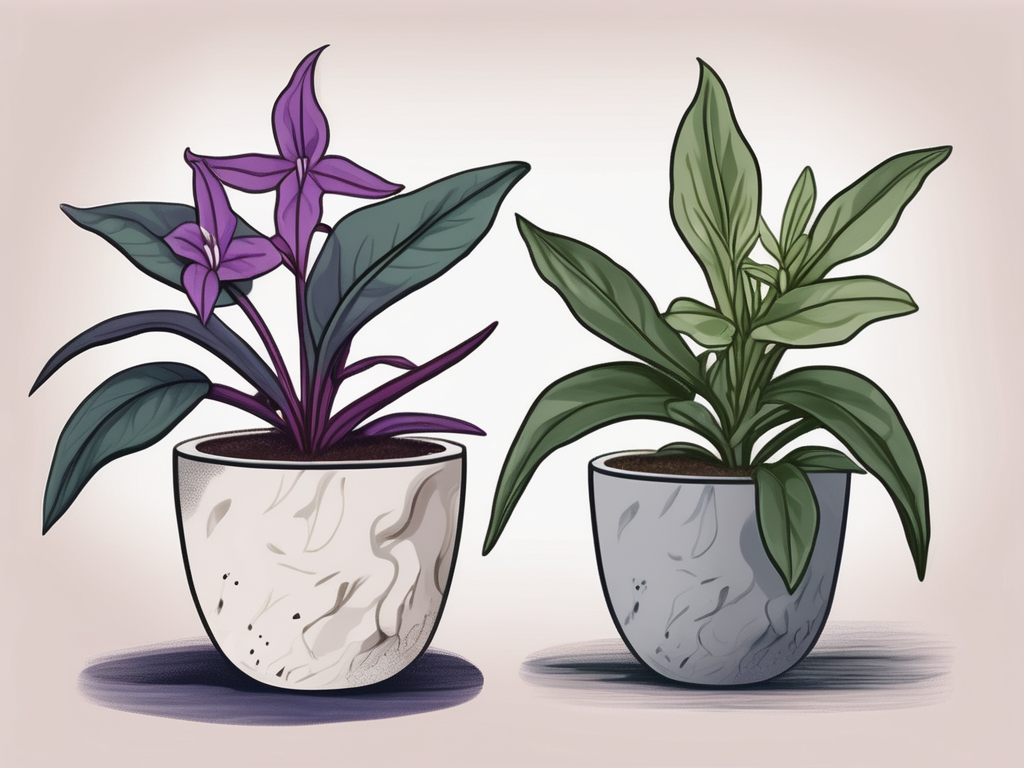
When potting your Polka Dot Plant, make sure to choose a pot that's just slightly larger than its root ball. This allows for growth without overwhelming the plant with too much space. And remember, when it comes to pots, you can have a little fun with colors and textures to add some personality to your plant display!
Light Requirements
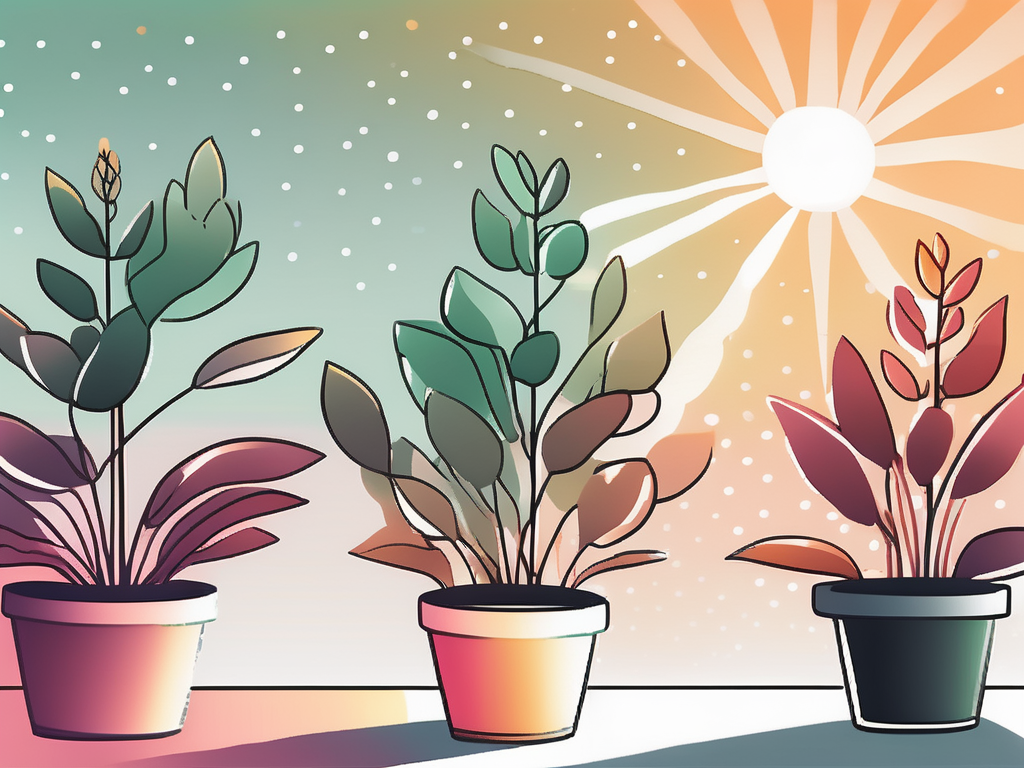
Polka Dot Plants are light lovers, but they're not fans of direct sunlight. Too much direct sun can scorch their delicate leaves, leading to crispy edges and faded colors. Instead, aim for bright, indirect light. A spot near a window with filtered sunlight or a room that gets plenty of natural light should do the trick.
If your space is on the dim side, don't fret. Polka Dot Plants can adapt to lower light conditions, but you might notice their vibrant colors start to fade. In such cases, consider using a grow light to supplement their light intake.
As a general rule of thumb, if you notice your Polka Dot Plant stretching towards the light, it's a sign that it needs more. On the flip side, if the leaves start looking sunburned or washed out, it's time to move the plant to a shadier spot. Remember, balance is key!
Watering Your Polka Dot Plant
Watering can be a bit of a balancing act, but once you get the hang of it, your Polka Dot Plant will thank you. These plants like to be kept consistently moist, but not soggy. Overwatering is a common pitfall, so it's important to let the top inch of soil dry out between waterings.
Here's a quick tip: stick your finger into the soil about an inch deep. If it feels dry, it's time to water. If it's still moist, hold off for a few more days. During the growing season (spring and summer), you may need to water more frequently. In the cooler months, you can scale back, as the plant's growth slows down.
To avoid overwatering, it's a good idea to use room temperature water and water the plant until you see it draining from the bottom of the pot. This helps flush out any salts or minerals that might build up in the soil over time.
Humidity and Temperature Preferences
As tropical natives, Polka Dot Plants love humidity. Aim for a humid environment, similar to their natural habitat, to keep them happy. If your home tends to be on the dry side, especially during winter, consider using a humidifier or placing a tray of water near the plant to boost humidity levels.
Grouping plants together can also create a humid microclimate, as plants naturally release moisture through a process called transpiration. Your Polka Dot Plant will appreciate the company, too!
Temperature-wise, these plants prefer a warm environment. Aim for temperatures between 70°F and 80°F (21°C to 27°C). Avoid placing your plant near drafts, heaters, or air conditioners, as sudden temperature changes can stress it out.
Feeding Your Polka Dot Plant
Like us, plants need food to thrive. During the growing season, which typically runs from spring through summer, feed your Polka Dot Plant with a balanced, water-soluble fertilizer every 4-6 weeks. This will provide the nutrients it needs to grow and maintain its vibrant coloration.
When it comes to fertilizing, less is more. Over-fertilizing can lead to salt buildup in the soil, which can damage the roots. If you notice white crust forming on the soil surface or the edges of leaves browning, it might be a sign of fertilizer burn. In such cases, flush the soil with water to leach out excess salts, and hold off on feeding for a while.
During fall and winter, when the plant's growth slows, you can ease up on fertilizing. This allows the plant to rest and prepare for the next growing season.
Pruning and Propagation
Pruning is a great way to keep your Polka Dot Plant looking its best. Regularly trimming back leggy stems encourages bushier growth and helps maintain the plant's compact shape. Use clean, sharp scissors or pruning shears to snip just above a leaf node.
Pruning is also a wonderful opportunity to propagate your Polka Dot Plant. Simply take a cutting with at least two sets of leaves, and place it in a glass of water or directly into a pot with moist soil. If you're going the water route, change the water every few days to keep it fresh. In a few weeks, you'll see roots form, and you can then transplant it to a pot with soil.
Propagation not only gives you the chance to grow new plants but also share the joy of plant parenthood with friends and family. Who wouldn't love a little speckled friend to brighten up their space?
Dealing with Pests and Problems
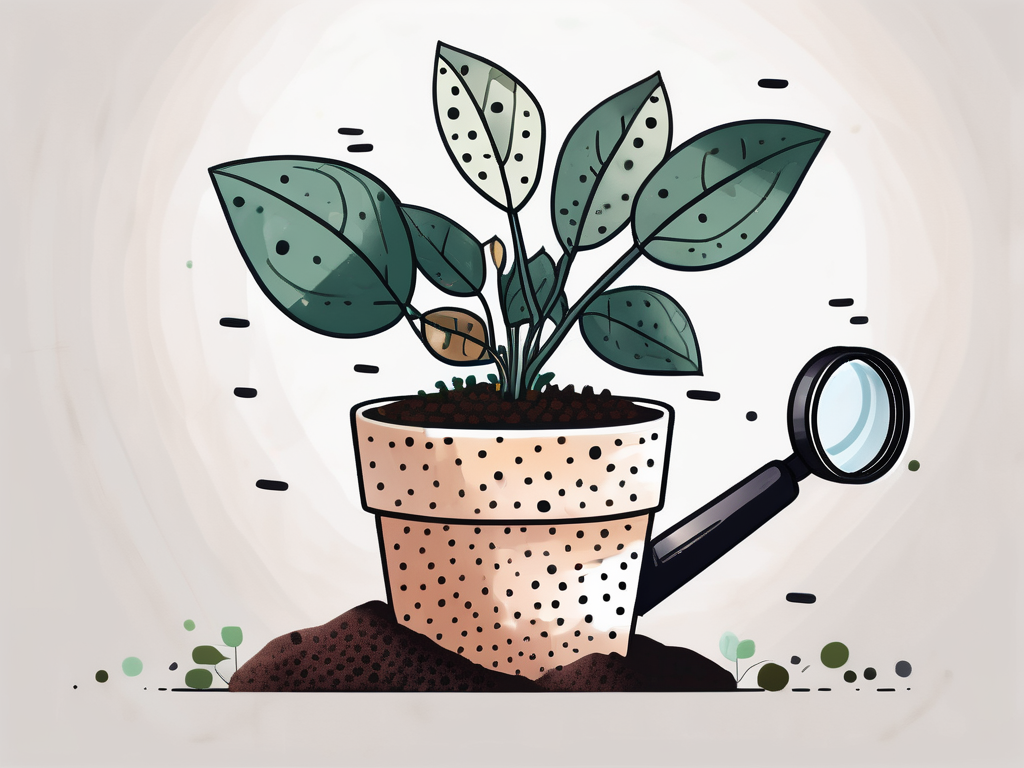
Even the most diligent plant parent can encounter pests and problems. Polka Dot Plants are generally hardy, but they're not immune to common houseplant pests like spider mites and aphids. These tiny invaders can cause damage if left unchecked, so it's important to catch them early.
Regularly inspect your plant for signs of pests, such as webbing, sticky residue, or discolored leaves. If you spot any unwanted guests, a gentle spray of water can dislodge them. For more stubborn cases, consider using insecticidal soap or neem oil, following the instructions carefully to avoid harming the plant.
Yellowing leaves can indicate overwatering, while crispy edges might suggest a lack of humidity. By keeping a close eye on your plant and adjusting care as needed, you can address issues before they become major problems.
Styling Your Space with Polka Dot Plants
Now that you're well-versed in Polka Dot Plant care, it's time to think about how to incorporate this charming plant into your home decor. With its colorful foliage, the Polka Dot Plant can be a standout piece or a complementary addition to your plant collection.
Consider placing your Polka Dot Plant in a decorative pot that complements its leaf colors. Group it with other plants of varying heights and textures to create an eye-catching display. Hanging planters or wall-mounted pots can add dimension to your space, making it feel lush and inviting.
Don't be afraid to get creative! Polka Dot Plants pair beautifully with trailing plants like pothos or ivy, and they can add a pop of color to a neutral-toned room. Whether your style is minimalist or maximalist, there's always room for a bit of plant magic.
Final Thoughts
Caring for a Polka Dot Plant is a delightful journey filled with color, creativity, and a touch of whimsy. From choosing the right pot and soil to mastering the art of watering and styling your space, there's so much to enjoy about this lovely plant.
At Cafe Planta, we're passionate about helping you bring the beauty of plants into your home. Whether you're looking for new plant friends, care tips, or just want to chat about all things plant-related, we're here for you. Feel free to reach out via email or connect with us on Instagram. Let's grow together!