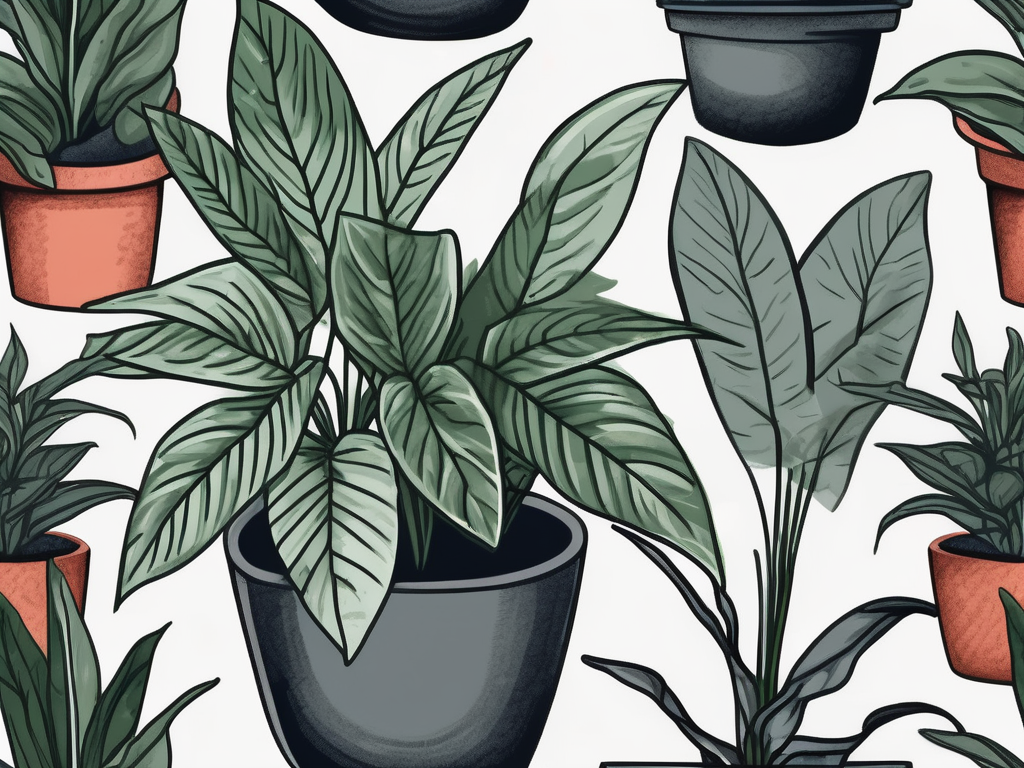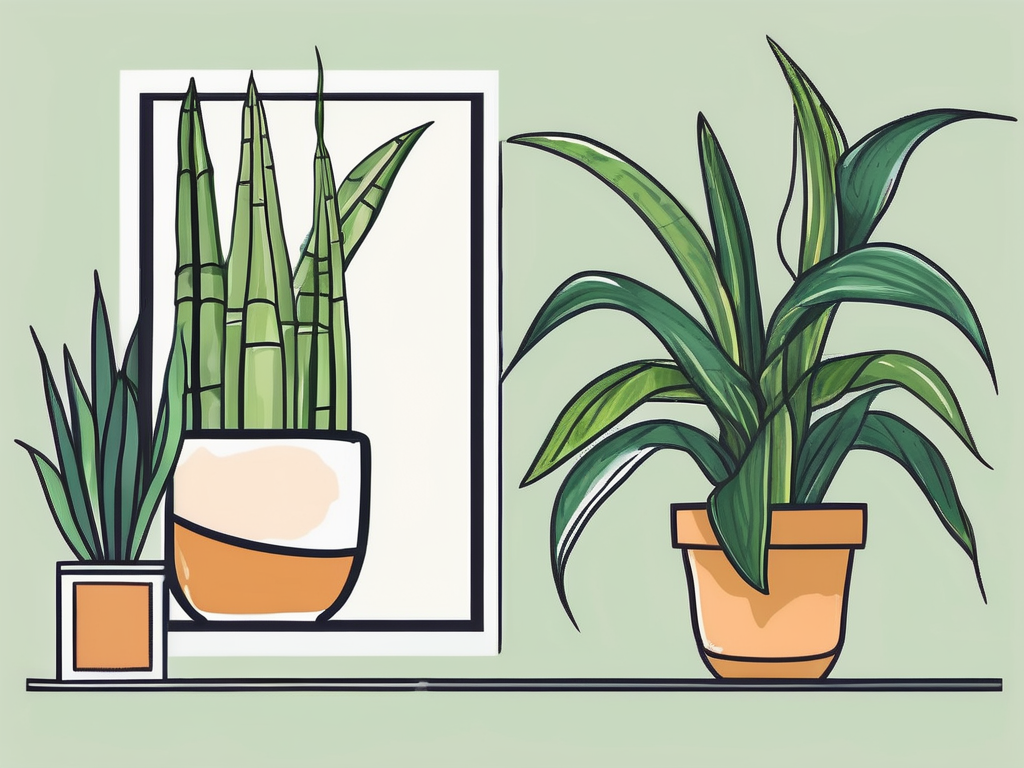
Picture this: a sunny windowsill adorned with a variety of vibrant Echeveria plants, each one a unique rosette of colors and textures. These beautiful succulents are a favorite among plant lovers for their stunning appearance and relatively easy care. However, even the hardiest of Echeverias can fall prey to certain diseases that can dull their charm and health.
In this article, we'll explore some of the most common diseases affecting Echeveria plants. From recognizing symptoms to taking preventive measures, we'll cover everything you need to know to keep your Echeverias thriving and healthy. So, let's roll up our sleeves and get started!
Understanding Root Rot
Root rot is one of the most common problems Echeveria owners face. This sneaky disease often catches even the most attentive plant parents off guard. It's caused primarily by overwatering, which leads to the roots sitting in soggy, poorly-drained soil. This environment becomes a breeding ground for fungal pathogens like Phytophthora and Pythium. The tricky part? The rot starts beneath the surface, making it hard to detect until the plant shows signs of distress.
You'll know your Echeveria might be suffering from root rot if you notice the leaves turning yellow or brown, becoming mushy, or dropping off. The plant may also appear stunted or wilted, despite regular watering. To confirm root rot, gently remove the plant from its pot and inspect the roots. Healthy roots should be firm and white, while rotted ones will look brown or black and feel slimy.
So, what can you do to tackle root rot? First things first, remove the affected parts of the root system with sterilized scissors or a knife. Then, repot the plant in fresh, well-draining soil, making sure to use a container with drainage holes. It's crucial to adjust your watering habits too. Allow the soil to dry out completely between waterings, and always check the moisture level with your finger or a moisture meter before adding more water.
Preventing root rot involves ensuring your Echeveria has the right potting mix. Opt for a cactus or succulent mix, or create your own by combining regular potting soil with sand or perlite for improved drainage. Remember, Echeverias prefer to stay on the dry side, so when in doubt, it's better to underwater than overwater.
Addressing Powdery Mildew
Powdery mildew is a fungal disease that can affect a wide variety of plants, including Echeverias. It manifests as a white or grayish, powdery coating on the leaves, and it thrives in warm, dry conditions with poor air circulation. Although it may not kill your plant outright, powdery mildew can weaken it over time, making it more susceptible to other diseases and pests.
If you spot this telltale powdery coating on your Echeveria, it's time to act. One of the simplest remedies is to remove the affected leaves, especially if the infestation is limited to a few spots. For more widespread cases, you can try a homemade remedy: mix one tablespoon of baking soda, one teaspoon of dish soap, and one gallon of water. Spray this mixture on the affected areas, and be sure to test it on a small section first to ensure your plant doesn't react negatively.
Prevention is key when it comes to powdery mildew. Ensure your Echeverias are placed in a location with good airflow, and avoid overcrowding them, as this can create a humid microenvironment. Water your plants at the soil level rather than overhead to keep the leaves dry, and consider using a fan or dehumidifier if your home tends to retain moisture.
Interestingly enough, some plant parents have found that using a milk spray can help prevent powdery mildew. Mix one part milk with two parts water and spray it on the leaves every couple of weeks. While it's not a guaranteed solution, it seems to help create an environment that's less hospitable to fungal spores.
Dealing with Mealybugs
Ah, mealybugs—the uninvited guests that seem to pop up just when you think your plant is thriving. These small, white, cottony insects love to nestle in the nooks and crannies of your Echeveria's leaves, where they suck the sap and weaken the plant. If left unchecked, they can cause significant damage and even spread to other plants in your collection.
The first step in dealing with mealybugs is to isolate the affected plant to prevent the infestation from spreading. Next, use a cotton swab dipped in rubbing alcohol to dab the bugs directly. This method works well for small infestations, as the alcohol dissolves their protective coating, killing them on contact.
For larger infestations, you might need to use insecticidal soap or neem oil. Be sure to follow the instructions on the product label and apply it in the evening or on cloudy days to avoid burning the leaves. Reapply as needed until the mealybugs are gone.
To prevent future infestations, regularly inspect your Echeverias and other plants for signs of pests. Quarantine new plants for a few weeks before adding them to your collection, and maintain a healthy environment by avoiding overwatering and ensuring good air circulation.
On the other hand, introducing beneficial insects like ladybugs or lacewings can be a natural way to keep mealybug populations in check. These predatory insects love to feast on mealybugs and can help maintain a balanced ecosystem in your indoor garden.
Combating Leaf Spot Diseases
Leaf spot diseases can be a bit tricky to diagnose since they can be caused by various fungi and bacteria. The telltale sign is, as the name suggests, spots on the leaves. These spots can be brown, black, or yellow, and they may have a halo or water-soaked appearance. Over time, they can cause the leaves to yellow and drop prematurely, weakening the plant.
If you notice leaf spots on your Echeveria, the first step is to remove the affected leaves and dispose of them properly. This helps prevent the disease from spreading to healthy parts of the plant or to other plants nearby. Next, ensure your plant is in a well-ventilated area and avoid overhead watering, which can splash pathogens from the soil onto the leaves.
In some cases, a fungicide may be necessary to control the spread of the disease. Look for a product labeled for use on succulents, and follow the instructions carefully. It's wise to test the fungicide on a small area first to ensure your plant doesn't have an adverse reaction.
Maintaining a clean environment around your Echeverias is crucial for preventing leaf spot diseases. This includes regularly cleaning your gardening tools and using sterilized soil when repotting. Consider mulching with gravel or small stones to reduce soil splashing, and keep your plants spaced out to allow for proper air circulation.
While it's hard to say for sure, some plant people believe that strengthening your plant's overall health can make it more resistant to diseases. This means providing the right amount of sunlight, water, and nutrients, and avoiding stressors like sudden temperature changes or drafts.
Tackling Echeveria Pests: Aphids
Aphids are another common pest that can affect Echeverias. These tiny, soft-bodied insects come in various colors, including green, black, and yellow, and they love to feed on new growth. As they suck the sap from the plant, they can cause distorted or stunted growth and leave behind a sticky residue known as honeydew.
The good news is that aphids are relatively easy to control. For minor infestations, simply spray the affected areas with a strong jet of water to dislodge the insects. You can also use insecticidal soap or neem oil, applying it in the same way you would for mealybugs.
To prevent aphid infestations, encourage beneficial insects like ladybugs and parasitic wasps, which naturally prey on aphids. You can also plant companion plants that repel aphids, such as garlic or chives, near your Echeverias.
Interestingly enough, some plant parents have found success in using a blend of essential oils to deter aphids. Mix a few drops of peppermint or clove oil with water and a bit of dish soap, and spray it on the affected areas. While it might not be a foolproof solution, it can create an environment that's less appealing to these pesky pests.
Regularly inspecting your plants for signs of aphids is an important part of prevention. Pay close attention to new growth and the undersides of leaves, where aphids like to hide. Prompt action can help nip infestations in the bud.
Managing Sunburn and Heat Stress
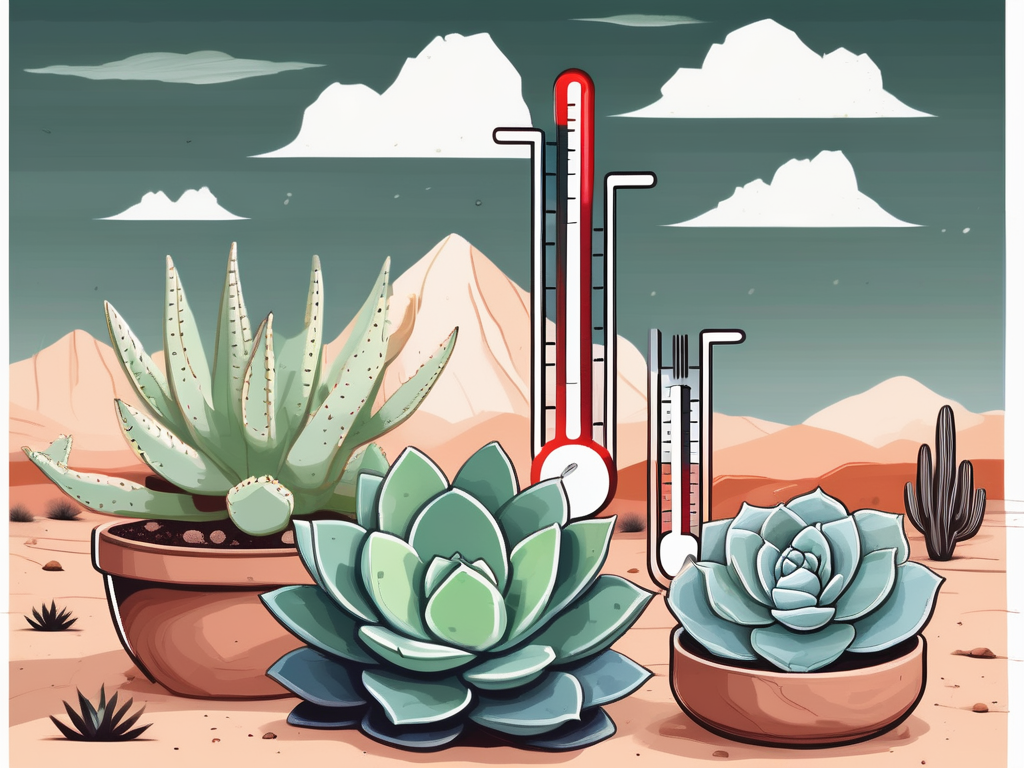
Echeverias love the sun, but too much of a good thing can lead to problems like sunburn and heat stress. If your plant's leaves start to look bleached, brown, or crispy at the edges, it might be getting too much direct sunlight. This is especially common during hot summer months or if the plant is placed too close to a window.
To help a sunburned Echeveria recover, move it to a spot with bright, indirect light or provide some shade during the hottest part of the day. You might also need to increase humidity levels slightly by using a pebble tray or misting the air around the plant (but not the leaves directly).
Prevention is all about finding the right balance of light for your Echeveria. Consider using sheer curtains to diffuse harsh sunlight, or gradually acclimate your plant to more intense light if you're moving it outdoors for the summer.
While it might seem counterintuitive, some plant people find that rotating their Echeverias regularly helps prevent sunburn. This ensures that all sides of the plant receive even light exposure, reducing the risk of one side getting scorched.
Remember, Echeverias are tough plants, and they can usually bounce back from sunburn with a bit of TLC. Just keep an eye on them and adjust their environment as needed to prevent further stress.
Preventing Nutrient Deficiencies
Nutrient deficiencies can manifest in various ways, from yellowing leaves to stunted growth. While Echeverias don't have high nutrient demands, they still need the right balance to thrive. A lack of essential nutrients like nitrogen, phosphorus, or potassium can lead to unhealthy plants that are more susceptible to diseases and pests.
If you suspect a nutrient deficiency, start by examining your plant's overall condition and growth habits. Yellowing leaves can indicate a nitrogen deficiency, while purple or red tinges might suggest a lack of phosphorus. Stunted growth or weak stems could be a sign of potassium deficiency.
To address nutrient deficiencies, consider using a balanced, water-soluble fertilizer formulated for succulents. Apply it during the growing season, following the package instructions, and be cautious not to over-fertilize, as this can lead to salt buildup in the soil.
Curiously, some plant parents have found that using diluted fish emulsion or compost tea can give their Echeverias a gentle nutrient boost. These organic options provide a range of micronutrients and can improve soil health over time.
To prevent future deficiencies, ensure your Echeverias are planted in a suitable potting mix with good drainage. Repot them every couple of years with fresh soil to replenish nutrients and provide adequate space for root growth.
Finally, remember that environmental factors like light and temperature can affect nutrient uptake. Keeping your plants in optimal conditions can help them absorb the nutrients they need more efficiently.
Dealing with Edema
Edema, or oedema, is a physiological disorder that can affect succulents like Echeverias when they take up water faster than they can use it. This leads to cells bursting and creating unsightly blisters or bumps on the leaves. While edema doesn't usually harm the plant, it can be a cosmetic concern for plant parents who want their Echeverias to look their best.
You'll often notice edema appearing as small, raised, corky spots on the leaves. It can be caused by overwatering, high humidity, or sudden changes in temperature. To manage edema, adjust your watering schedule to allow the soil to dry out between waterings, and ensure your plant is in a well-ventilated area.
Interestingly enough, some plant people find that using a fan to improve air circulation can help reduce the risk of edema. This is especially useful if your home tends to be humid or if your plants are grouped closely together.
Preventing edema involves creating a stable environment for your Echeverias. Avoid sudden changes in temperature or humidity, and be mindful of your watering habits. If you're unsure whether your plant needs water, use a moisture meter or simply wait another day before watering.
Remember, while edema might not be harmful, it can indicate that your Echeveria's environment needs some tweaking. By paying attention to your plant's needs, you can keep it looking healthy and vibrant.
Final Thoughts
We've covered quite a bit about diseases and issues that can affect your beloved Echeveria plants. From root rot and powdery mildew to pesky pests like mealybugs and aphids, understanding these challenges is the first step to ensuring your Echeverias thrive. Each problem has its own set of solutions, and by being observant and proactive, you can keep your succulents healthy and beautiful.
At Cafe Planta, we love sharing our passion for plants and helping fellow plant parents on their journey. If you ever have questions about your plants, feel free to email us or send a message on our Instagram. We believe that plants have the power to connect us with nature and each other, and we're here to support you in creating a thriving plant collection at home.