When you think of a plant that’s both beautiful and low-maintenance, Echeveria might just be the first thing that comes to mind. With their rosette shape and vibrant colors, these succulents are a favorite among plant lovers everywhere. But, how long can you expect your Echeveria to stick around? Let's chat about what influences the lifespan of these lovely plants and how you can help them thrive in your home.
In this article, we're going to look at what makes Echeveria tick. We’ll explore factors like care, environment, and even a bit of plant genetics that all play a part in how long your plant will live. Plus, we'll sprinkle in some tips on keeping them happy and healthy, so you can enjoy their charm for years to come.
Understanding the Basics of Echeveria
Before we get into the nitty-gritty of Echeveria lifespans, it's helpful to know a bit about these plants in general. Echeveria is a large genus of flowering plants in the Crassulaceae family, native to semi-desert areas of Central America. They are famous for their stunning rosettes of fleshy, colorful leaves and are a staple in succulent collections.
One of the reasons Echeveria are so popular is their ability to adapt to a wide range of conditions. While they prefer warm, dry climates, they can tolerate cooler temperatures as long as they’re not exposed to frost. These plants are also drought-tolerant, making them a great choice for those who might not have a perfect track record with watering.
In terms of plant care, Echeveria are relatively straightforward. They thrive on bright, indirect light and well-draining soil. With the right conditions and a little bit of love, they can live for several years, sometimes even up to a decade or more!
Factors Affecting Echeveria Lifespan
Now that we’ve covered some basics, let's talk about what can influence how long your Echeveria will live. Like any living thing, these succulents have their own set of needs and preferences, and meeting those can make all the difference in their longevity.
Light Requirements
Light is a crucial factor for Echeveria. They love bright, indirect sunlight, which mimics their natural habitat. Without enough light, they can become leggy as they stretch towards the light source, which can weaken the plant over time. On the other hand, too much direct sunlight can scorch their leaves.
- Place your Echeveria near a south or east-facing window for optimal lighting.
- If natural light is scarce, consider using a grow light to supplement.
- Rotate the plant occasionally to ensure even growth.
Watering Practices
Getting the watering right is perhaps the trickiest part of Echeveria care. Overwatering is a common mistake and can lead to root rot, which is often fatal for succulents. On the flip side, underwatering can cause the plant to become stressed and unhealthy.
- Use the “soak and dry” method—water thoroughly, then allow the soil to dry out completely before watering again.
- Ensure your pot has drainage holes to prevent water from sitting at the bottom.
- Reduce watering in the winter months when the plant is not actively growing.
Soil and Potting
The right soil is essential for Echeveria to thrive. They need a well-draining mix to prevent root rot and other moisture-related issues. A commercial cactus or succulent soil is usually a good bet, but you can also make your own.
- Mix regular potting soil with sand or perlite to improve drainage.
- Consider adding some pumice or gravel for extra aeration.
- Re-pot your Echeveria every couple of years to refresh the soil and give the roots more room to grow.
When it comes to choosing a pot, go for something with good drainage. Terracotta pots are a popular choice because they allow moisture to evaporate, helping to keep the soil dry.
Temperature and Humidity
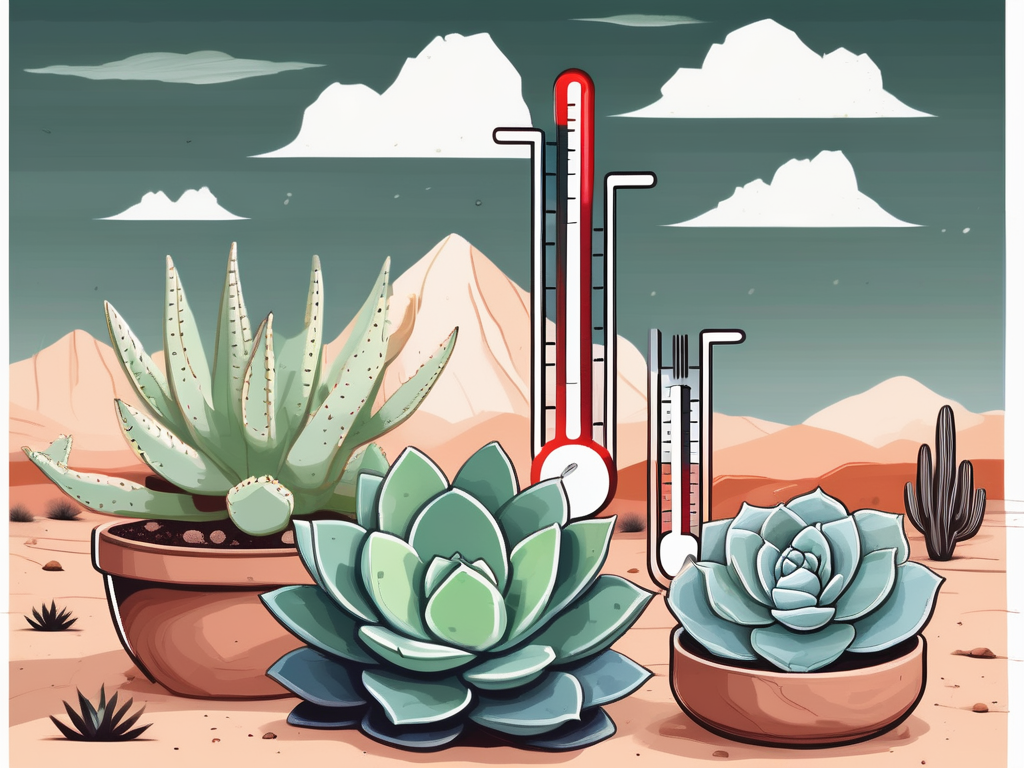
Echeveria are quite flexible with temperature, but they do have their limits. They thrive in temperatures between 65°F and 75°F (18°C to 24°C). Although they can tolerate cooler temperatures, they must be protected from frost.
- Keep them indoors during the winter if you live in a cold climate.
- Provide good air circulation to help them stay healthy—avoid placing them in stuffy rooms.
- Humidity isn’t a big deal for Echeveria, but too much moisture in the air can lead to mold or rot. Keep them in a dry environment if possible.
Propagation and Longevity
One interesting aspect of Echeveria is that they’re quite easy to propagate, which can extend their presence in your home indefinitely. Propagation can give you a new young plant to care for even as the original plant ages.
Leaf Propagation
Echeveria can be propagated from leaves with a bit of patience and care:
- Gently twist a healthy leaf off the parent plant.
- Let the leaf dry for a few days to form a callus over the cut end.
- Place the leaf on top of soil and mist occasionally until new roots and a rosette form.
Offsets or Pups
Another propagation method is to separate the offsets or “pups” that grow around the base of a mature Echeveria:
- Wait until the pup is about a third the size of the parent plant.
- Carefully separate it from the parent plant, ensuring it has some roots attached.
- Plant the pup in its own pot with well-draining soil.
Propagation can help you maintain your Echeveria collection for years, as each new plant has the potential to live just as long as the parent.
Common Pests and Problems
Like any plant, Echeveria can fall prey to pests and other issues. Keeping an eye out for these problems can prevent them from cutting your plant's life short.
Mealybugs
These pesky little bugs can be a real nuisance. They appear as white, cottony spots on your plant and can weaken it over time.
- Remove them manually with a cotton swab dipped in alcohol.
- Use insecticidal soap as a last resort if they persist.
Root Rot
Root rot is often caused by overwatering. It's crucial to catch it early, as it can be fatal.
- Remove the plant from its pot and inspect the roots. Healthy roots are firm and white, while rotten ones are brown and mushy.
- Trim away the affected roots and replant in fresh, dry soil.
Leaf Drop
Sometimes, Echeveria will drop leaves if they're stressed, often due to changes in environment or care.
- Check your watering routine and adjust if necessary.
- Ensure the plant is getting enough light.
Integrating Echeveria into Home Design
Aside from their longevity and beauty, Echeveria are fantastic for home decor. Their unique shapes and vibrant colors add a pop of life to any space, whether you’re a minimalist or love a more eclectic look.
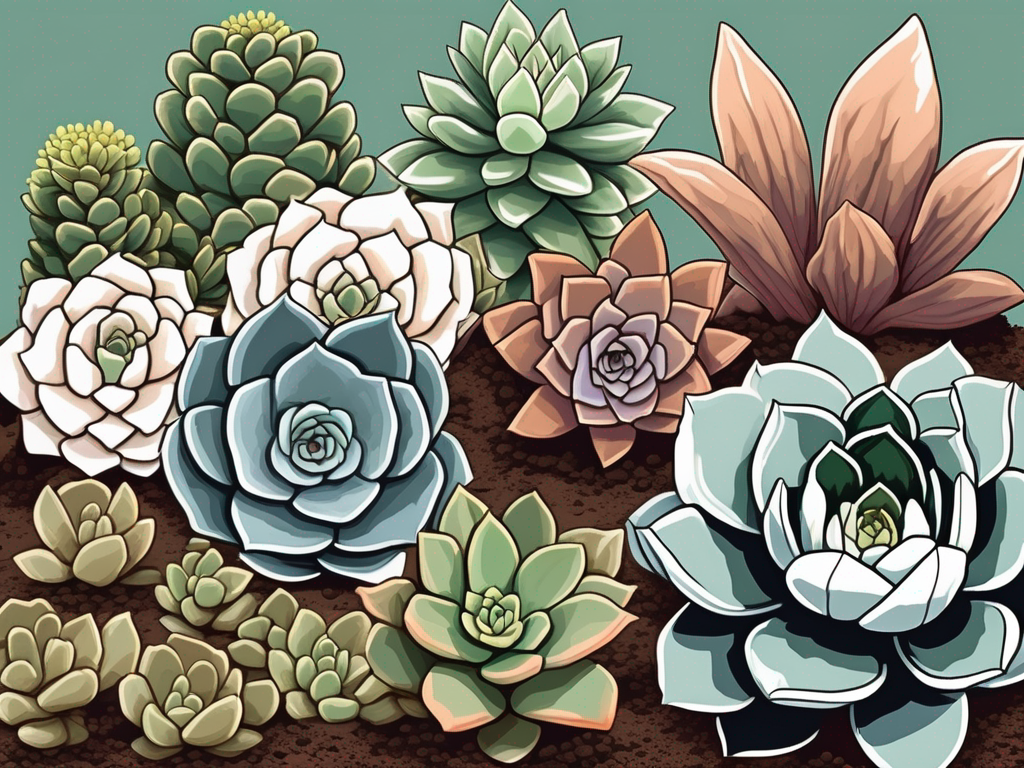
Consider grouping various Echeveria together to create a lush arrangement. Use different sizes and colors to add depth and interest. They also look great in mixed succulent gardens or terrariums, which can serve as a centerpiece in your living room or dining table.
For a touch of whimsy, try planting Echeveria in unconventional pots like teacups or decorative bowls. Just remember to ensure there's good drainage!
Caring for Aging Echeveria
As Echeveria mature, they might need a bit more attention to keep looking their best. Some older plants can become leggy, losing the compact rosette shape they had when younger. This is a natural part of their growth process, but you can give them a little trim to encourage new growth.
- Remove any dead or dying leaves at the base of the plant.
- Trim back leggy stems, and consider propagating from the cuttings.
- Regularly refresh the top layer of soil to provide nutrients.
By staying attentive to their needs, even older Echeveria can continue to be a vibrant part of your plant family.
Signs of a Healthy Echeveria
Wondering if your Echeveria is in good shape? Here are a few signs that everything is going well:
- Firm, plump leaves that hold their shape.
- A vibrant color that matches the typical hues of the species.
- New growth emerging from the center of the rosette.
If your plant seems a little off, don't panic! Plants can have off days just like us. With a bit of TLC, you can usually get them back on track.
Final Thoughts
With the right care and attention, Echeveria can be a long-lasting and delightful addition to your plant collection. Their resilience and beauty make them a joy to grow and keep in your home. Remember, a little love goes a long way in extending their lifespan.
At Cafe Planta, we're all about helping you on your plant journey. Whether you're looking for a new Echeveria to love or need some plant care advice, we're here for you. Feel free to email us, or DM us on Instagram. We're excited to help you create a beautiful, thriving plant collection in your home!