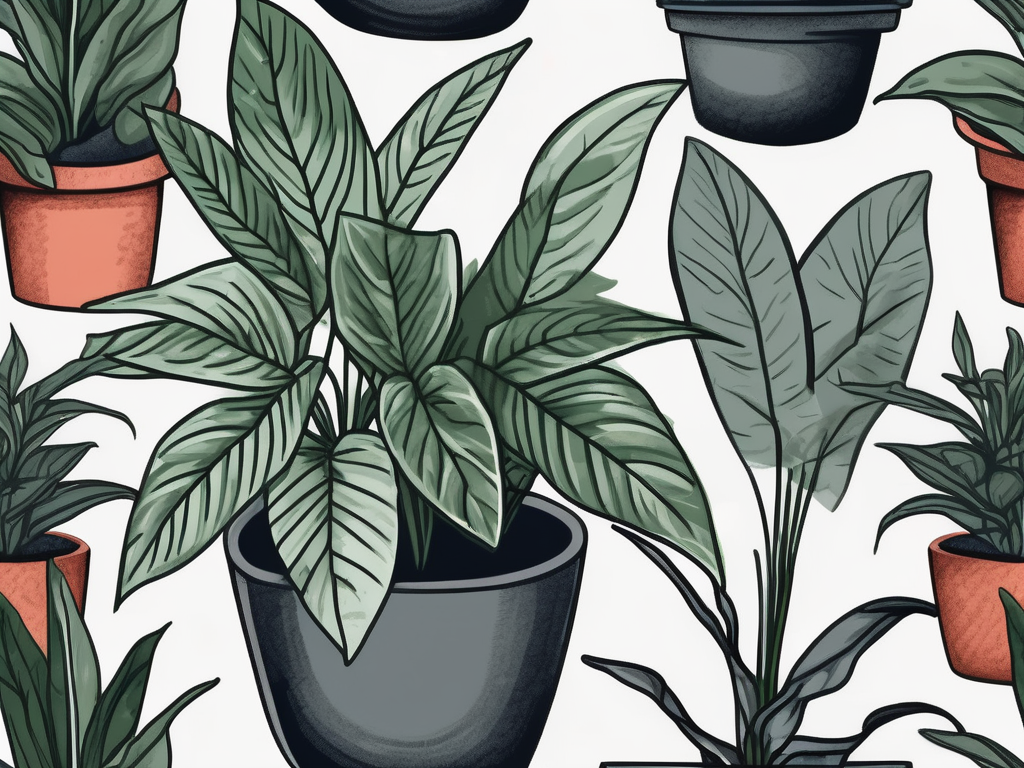
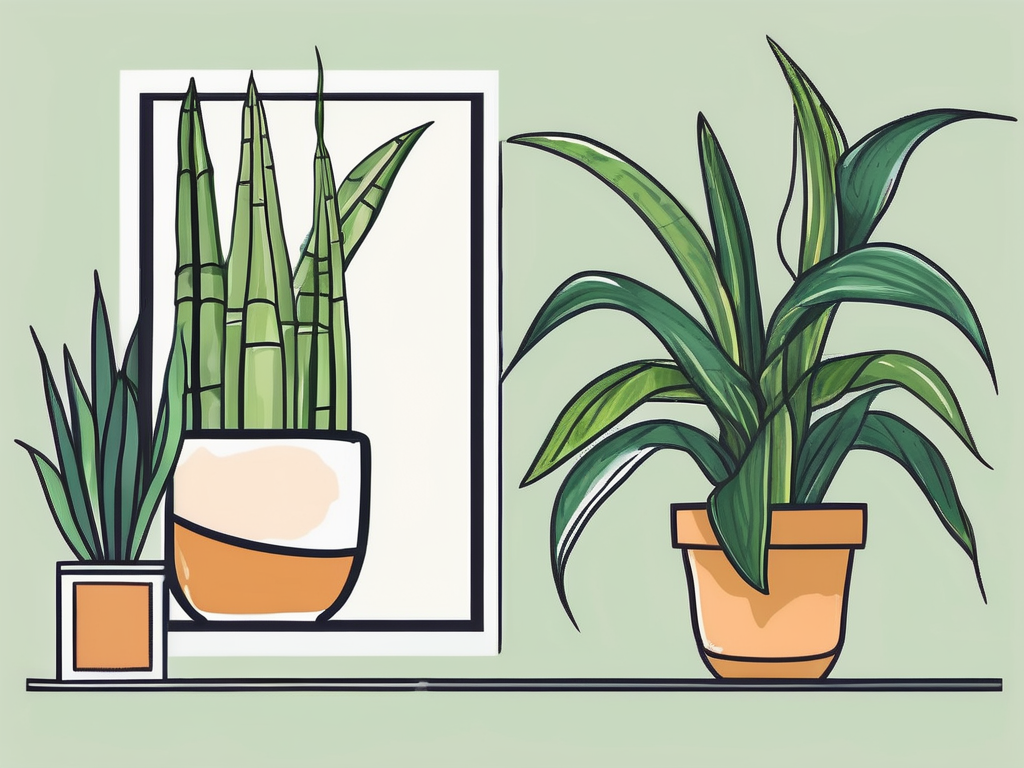
Have you ever found yourself captivated by the charming rosettes of Echeveria leaves? These succulents, with their sculptural allure, are like tiny works of art that you can nurture right at home. Whether you're a seasoned plant person or just starting to explore the world of succulents, Echeverias offer endless fascination with their vibrant colors and shapes.
This article will guide you through everything you need to know about Echeveria leaves—from selecting the perfect plant for your home to understanding their unique care requirements. We’ll also touch on common pitfalls and how to avoid them, ensuring your Echeverias thrive and continue to brighten your space.
Choosing the Right Echeveria for Your Space
When it comes to selecting an Echeveria, the choices can be delightfully overwhelming. With so many varieties, each boasting its own unique leaf shape and color, it’s easy to feel like a kid in a candy store. But how do you choose the right one for your space?
First, consider the lighting conditions in your home. Echeverias thrive in bright, indirect sunlight, so you'll want to place them near a window where they can soak up plenty of light. If your home is a bit on the darker side, you might want to consider investing in a grow light to keep your succulent happy.
- Colors and Shapes: Echeverias come in a spectrum of colors—from deep purples and blues to vibrant greens and reds. Choose a color that complements your home’s decor.
- Size Matters: Think about the available space you have. Some Echeverias stay compact, while others can grow quite large, so make sure your selection fits your space.
- Leaf Texture: Some Echeveria leaves are smooth and shiny, while others are frosted or have a powdery coating. Decide which texture you prefer as this can affect the plant's overall look.
Interestingly enough, Echeverias are versatile enough to fit into almost any style of decor, from minimalist to boho chic. So, don’t be afraid to experiment and find the perfect spot for your succulent!
Potting Your Echeveria: The Right Way to Do It
Now that you’ve picked out the perfect Echeveria, it’s time to talk about pots. Believe it or not, the pot you choose can make a huge difference in the health of your succulent.
First things first, make sure your pot has a drainage hole. Echeverias are prone to root rot if they sit in water too long, so having a way for excess water to escape is crucial. Terra cotta pots are a popular choice because they’re porous and allow the soil to dry out more quickly.
- Size Matters (Again): Choose a pot that’s just slightly larger than the root ball of your plant. A pot that’s too large can hold excess moisture, which isn’t great for succulents.
- Material: While terra cotta is popular, ceramic and plastic pots are also options. Just be aware that these materials might retain moisture longer.
- Style: Don't forget to consider the pot’s style and color. It should complement both the plant and your home decor.
Once you've selected the perfect pot, fill it with a well-draining soil mix. You can buy a cactus or succulent mix from the store, or make your own by mixing regular potting soil with sand or perlite. This will help ensure your Echeveria's roots stay healthy and happy.
Watering Your Echeveria: Finding the Balance
Watering an Echeveria can feel like a balancing act at times. Too much water and you risk root rot; too little and your plant will start to shrivel. So, what’s the secret to getting it just right?
Echeverias are drought-tolerant, meaning they prefer to dry out completely between waterings. A good rule of thumb is to water when the top inch of soil feels dry to the touch. During the growing season (spring and summer), they may need water once a week. In the dormant months (fall and winter), you can cut back to once a month.
- Soak and Dry: Water thoroughly until water drains out of the bottom, then let the soil dry completely before watering again.
- Watch the Leaves: Wrinkled leaves can be a sign of underwatering, while mushy or discolored leaves indicate overwatering.
- Environment Matters: If your home is particularly dry or humid, this can affect how often you need to water.
Remember, it's always better to underwater than overwater an Echeveria. They can bounce back from a little neglect, but overwatering can lead to irreversible damage.
Understanding Echeveria Leaf Changes
If you’re new to succulents, you might be alarmed when your Echeveria starts dropping leaves or changing color. But fear not! These are often normal occurrences, and understanding them can help you care for your plant better.
Leaf drop can happen for several reasons. If your Echeveria is shedding older, lower leaves, this is usually just part of its natural growth cycle. However, if the newer leaves are dropping, it might be a sign of stress, like overwatering or sudden changes in temperature.
- Color Changes: Echeverias might change color due to sunlight. More light often brings out vibrant hues, while less light might cause a duller appearance.
- Pests: Keep an eye out for pests like mealybugs, which can cause leaves to yellow and drop.
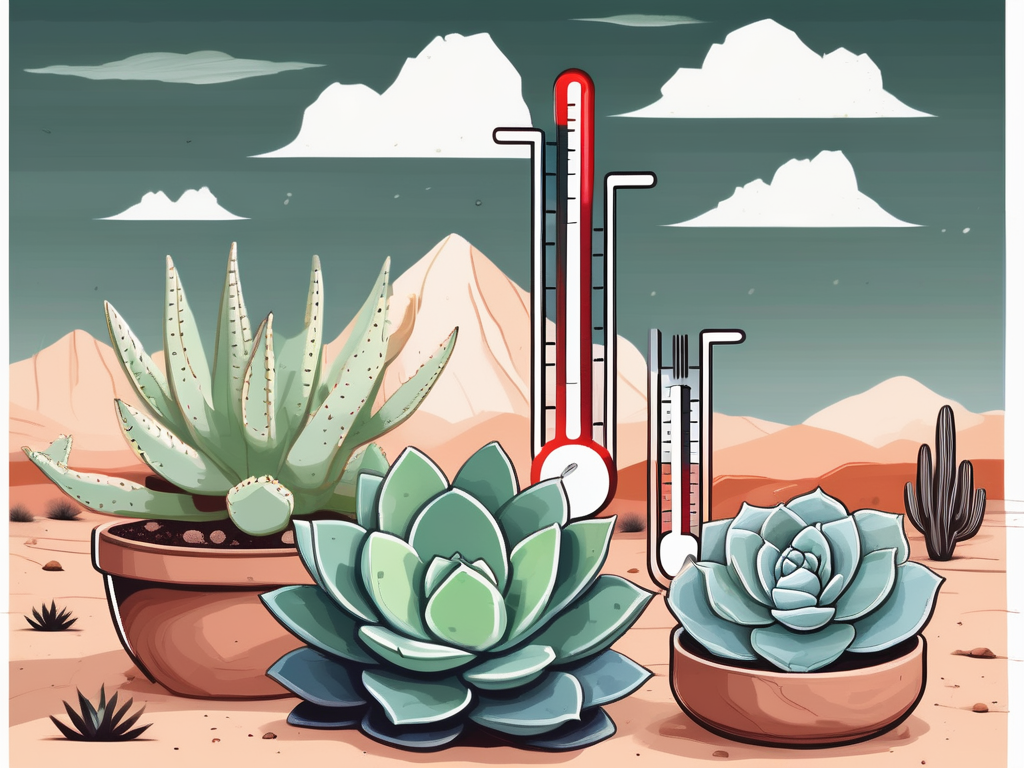
- Temperature Stress: Sudden changes in temperature can shock the plant, leading to leaf drop.
If you notice any sudden changes, take a step back and evaluate your plant's environment and recent care. Sometimes a small adjustment can make all the difference.
Dealing with Common Pests and Problems
Even the most diligent plant parent can encounter pests and problems. Echeverias are generally hardy, but they aren’t immune to issues like mealybugs or fungal infections.
Mealybugs are the most common pests you might find on your Echeveria. These tiny, white, cotton-like insects love to hide in the crevices of the leaves. If you spot them, take action quickly to prevent them from spreading.
- Isopropyl Alcohol: Dab a cotton swab in isopropyl alcohol and gently swab the bugs. This will kill them on contact.
- Insecticidal Soap: Use a gentle insecticidal soap spray to tackle larger infestations.
- Quarantine: Isolate the affected plant to prevent the pests from spreading to others.
Fungal issues can also arise, especially if your Echeveria is overwatered. You might notice black spots on the leaves or a general wilting. To combat this, remove affected leaves and adjust your watering habits. Good airflow and proper sunlight can also help prevent these issues.
Propagating Echeveria: Growing Your Collection
One of the joys of owning Echeverias is that they’re incredibly easy to propagate. You can multiply your collection or share them with friends without much effort. Leaf propagation is the most straightforward method and can be a fun experiment.
To get started, gently twist a healthy leaf off your Echeveria. Make sure it’s a clean break with no part of the leaf left on the stem, as this will increase your chances of success.
- Let It Callous: Allow the leaf to dry and callous over for a few days. This prevents it from rotting when placed on soil.
- Place on Soil: Lay the leaf on top of a well-draining soil mix. There’s no need to bury it.
- Water Lightly: Mist the soil lightly every few days. Avoid soaking the soil, as too much moisture can cause rot.
In a few weeks, you should start to see tiny roots and a new rosette forming at the base of the leaf. Once the new plant is established, you can pot it up and watch it grow!
Design Ideas: Incorporating Echeverias into Your Home
Besides being easy to care for, Echeverias are incredibly versatile when it comes to home decor. Their striking forms make them perfect for creating eye-catching displays.
Consider grouping several Echeverias in different colors and sizes for a dynamic arrangement. They look stunning as a centerpiece on a dining table or as part of a succulent garden on a windowsill.
- Terrariums: Create a mini desert landscape by combining Echeverias with sand, rocks, and other succulents in a glass container.
- Hanging Displays: Use macramé hangers to suspend pots of Echeverias, adding a touch of boho charm to any room.
- Vertical Gardens: Mount Echeverias on a wall planter for a living piece of art.
These creative ideas not only enhance your living space but also provide the perfect conditions for your Echeverias to thrive.
Seasonal Care Tips for Echeverias
Just like us, Echeverias have different needs throughout the year. Adjusting your care routine with the seasons can keep your plants in top shape.
During the growing season in spring and summer, Echeverias are actively growing and may need more frequent watering. They also benefit from a bit of fertilizer to support their growth. A diluted cactus fertilizer once a month should do the trick.
- Fall and Winter: These are dormant months for Echeverias. Reduce watering and stop fertilizing to let them rest.
- Temperature: Keep them in a warm spot away from drafts and cold windows during winter.
- Light: Ensure they continue to get plenty of light, as shorter days can lead to leggy growth.
By adjusting your care routine with the seasons, you’ll help your Echeverias stay healthy and beautiful year-round.
Troubleshooting Common Echeveria Issues
Despite your best efforts, you might encounter some challenges with your Echeverias. But don't worry, most issues are easy to fix with a little detective work.
One common problem is etiolation, where the plant stretches out and becomes leggy due to insufficient light. If you notice your Echeveria growing tall and thin, it might be time to move it to a brighter spot or invest in a grow light.
- Leaf Loss: If your plant is losing leaves, check your watering habits. Over- or underwatering is often the culprit.
- Discoloration: Leaves turning yellow or brown can indicate a variety of issues, from too much sun to nutrient deficiencies.
- Pest Infestation: Regularly inspect your plant for signs of pests and act quickly to prevent damage.
With a little patience and attention to detail, you can overcome most Echeveria challenges and enjoy their beauty for years to come.
Final Thoughts
Caring for Echeveria leaves can be a rewarding experience, bringing a touch of nature's artistry into your home. From selecting the right plant to understanding their unique needs, we’ve covered a lot about keeping these beautiful succulents happy and healthy.
At Cafe Planta, we believe plants have a magical way of connecting us with nature. Whether you're a seasoned plant parent or just starting out, we're here to help you cultivate a thriving indoor garden. If you have questions, don't hesitate to email us or send a DM on Instagram. Let's grow together!