Ever find yourself staring at those beautiful rosette-shaped plants and wondering how to keep them thriving? Echeverias are a favorite among plant lovers, thanks to their stunning colors and shapes. These succulents are not only gorgeous but also low-maintenance, making them perfect for both beginners and seasoned plant parents.
In this article, we’ll go through everything you need to know to keep your Echeveria happy and healthy. From understanding the best lighting conditions to navigating common pests, we’ve got you covered. Let’s dive into the world of Echeveria care and help you create a thriving plant collection!
Understanding Echeveria: A Brief Introduction
Echeverias are native to semi-desert regions of Central America, Mexico, and northwestern South America. These lovely plants are part of the Crassulaceae family and are admired for their rosette shapes and vibrant colors. They come in various sizes and hues, from pastel pinks and blues to deep greens and purples.
With their thick, fleshy leaves, Echeverias store water efficiently, which means they don't require constant watering. Their preference for dry conditions makes them ideal for people who might forget to water their plants regularly. But don't be fooled by their toughness—like any plant, they have specific needs to flourish.
Choosing the Right Echeveria
Before you bring an Echeveria home, it's essential to select the right type for your environment and aesthetic preferences. Luckily, there are over 150 species to choose from! Here are some popular varieties to consider:
- Echeveria elegans: Also known as the Mexican Snowball, this variety has pale blue-green leaves and forms tight, symmetrical rosettes.
- Echeveria agavoides: With its pointy leaves and red-tipped edges, this variety resembles an agave plant and adds a striking touch to any collection.
- Echeveria ‘Lola’: Known for its delicate, powdery lavender and pink hues, this variety is a favorite among plant enthusiasts.
Consider the lighting and space available in your home when choosing an Echeveria. Some varieties may require more sunlight than others, and their sizes can vary significantly.
Light Requirements: Finding the Perfect Spot
Echeverias love sunlight, and finding the right spot in your home can make all the difference. Ideally, these plants need at least 4 to 6 hours of bright, indirect sunlight each day. A south or east-facing window usually provides the perfect light conditions.
If your Echeveria starts stretching towards the light (a phenomenon called etiolation), it’s a sign that it’s not getting enough sun. You might notice the plant becoming leggy, with more space between the leaves. To avoid this, consider moving your plant to a sunnier spot or supplementing with a grow light.
On the flip side, too much direct sunlight can scorch the leaves, especially during the hottest part of the day. If you notice brown or crispy edges, try moving your Echeveria to a location with filtered light.
Watering: The Goldilocks Rule
When it comes to watering Echeverias, the key is to find the "just right" amount. Overwatering is a common mistake that can lead to root rot, while underwatering can cause the leaves to shrivel and drop off. So, how do you get it right?
Here’s a simple rule of thumb: water your Echeveria when the soil is completely dry. This might mean watering every 1 to 2 weeks, depending on your climate and the season. During the winter months, you’ll likely need to water less frequently.
When you water, do so thoroughly, allowing the water to drain out of the bottom of the pot. Avoid letting the plant sit in water, as this can cause the roots to rot. Additionally, try to keep water off the leaves to prevent fungal issues.
Soil and Potting: Getting the Foundation Right
Choosing the right soil and pot is crucial for the health of your Echeveria. These plants need well-draining soil to prevent water from sitting around the roots. A cactus or succulent mix is ideal, as it allows for proper drainage.
If you prefer making your own mix, combine equal parts potting soil, coarse sand, and perlite. This blend will ensure that water flows freely, reducing the risk of root rot.
When it comes to pots, opt for one with a drainage hole to allow excess water to escape. Terra cotta pots are a popular choice because they’re porous, allowing the soil to dry out more quickly. Plus, they add a charming, rustic touch to your plant display!
Temperature and Humidity: Creating a Cozy Environment
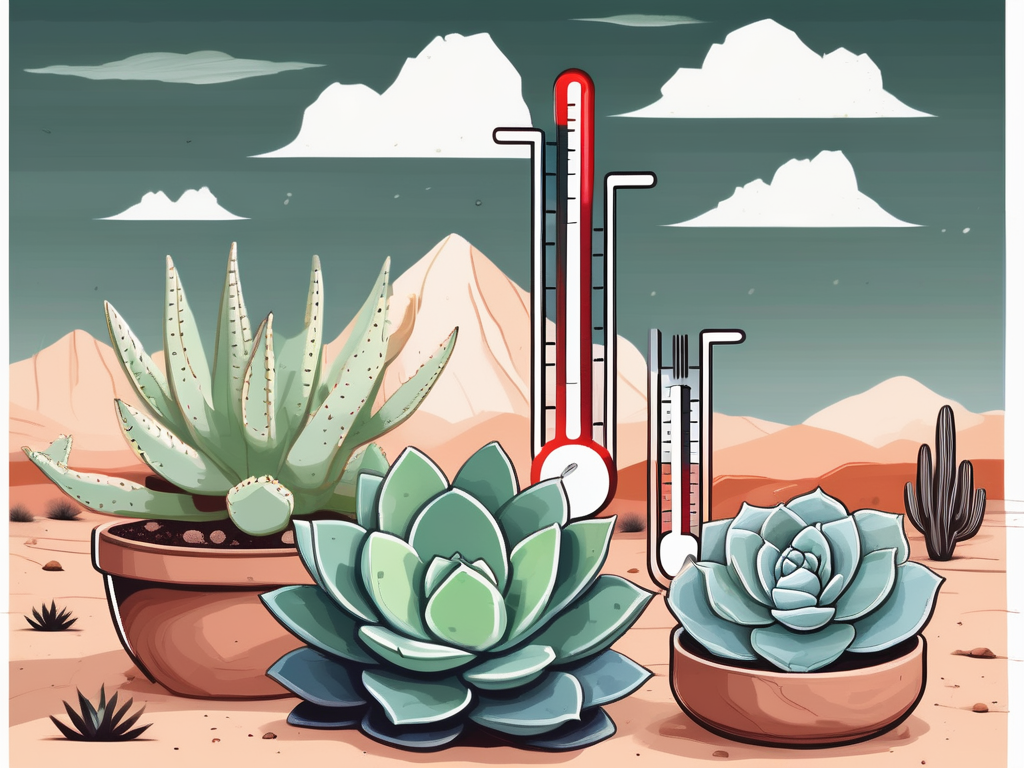
Echeverias thrive in warm, dry environments. They prefer temperatures between 65°F to 80°F (18°C to 27°C) and can tolerate occasional dips in temperature, but they’re not frost-hardy. If you live in a colder climate, ensure your plants are kept indoors during the winter months.
As for humidity, these succulents are quite content in average home conditions. High humidity isn’t necessary and can even be detrimental if it leads to increased moisture around the roots. If your home is particularly humid, consider using a fan or dehumidifier to keep the air dry.
Feeding Your Echeveria: The Right Nutrients
While Echeverias aren’t heavy feeders, they do benefit from a little nutritional boost during their growing season, which typically runs from spring to early fall. A balanced, water-soluble fertilizer diluted to half strength is a great choice.
Feed your Echeveria every 4 to 6 weeks during the growing season. Avoid fertilizing in the winter when the plant is dormant, as this can cause more harm than good.
Remember, less is more when it comes to feeding. Over-fertilizing can lead to leggy growth and may even burn the roots. When in doubt, err on the side of underfeeding.
Repotting: Giving Your Plant Room to Grow
Though Echeverias are slow growers, they’ll eventually outgrow their pots and need repotting. Signs that it’s time to repot include roots growing out of the drainage hole or the plant becoming top-heavy and unstable.
Repotting is best done in the spring or early summer. Choose a pot that’s 1 to 2 inches larger in diameter than the current one, and refresh the soil to give your plant a nutrient boost.
When repotting, gently remove the plant from its pot and shake off excess soil from the roots. Trim any dead or rotting roots before placing the plant in its new pot. Fill in with fresh soil, and give it a light watering to settle the roots. Your Echeveria will appreciate the extra space to spread out and thrive!
Dealing with Pests and Problems
Even though Echeverias are hardy, they’re not immune to pests or diseases. Common pests include mealybugs, aphids, and spider mites. If you notice any unwelcome visitors, take action promptly to prevent them from spreading.
- Mealybugs: These cotton-like pests can be removed with a cotton swab dipped in rubbing alcohol. Be sure to check under the leaves and in crevices where they like to hide.
- Aphids: A strong blast of water can often dislodge these tiny insects. In more severe cases, an insecticidal soap can help.
- Spider mites: Increase humidity around the plant or use neem oil to deter these tiny pests.
Fungal issues, like root rot, are usually a result of overwatering or poor drainage. If you suspect root rot, remove the plant from its pot and trim away the affected roots. Repot in fresh, dry soil and adjust your watering routine.
Designing with Echeverias: Bringing Beauty into Your Home
Echeverias aren’t just easy to care for—they’re also incredibly versatile when it comes to home decor. Their unique shapes and colors can complement any interior style, from minimalist to bohemian.
Consider creating a stunning plant display by mixing different varieties of Echeverias in a shallow dish garden. Grouping plants with varying colors and textures can create a striking centerpiece for your coffee table or windowsill.
If you’re feeling creative, try incorporating Echeverias into a vertical garden or succulent wreath. These arrangements can be a fun project and make a beautiful statement piece for your home.
Remember to give your plants enough space to grow and breathe. Overcrowding can lead to poor air circulation and increase the risk of pests and diseases. With a bit of creativity, your Echeverias can transform any room into a lush, inviting space.
Final Thoughts
Echeverias bring a touch of elegance and simplicity to any home, and with the right care, they can thrive for years. From choosing the perfect spot to understanding their watering needs, these tips should help you become a confident Echeveria parent.
At Cafe Planta, we’re passionate about helping you create a thriving plant collection. Whether you’re looking for unique houseplants or need advice on plant care, we’ve got you covered. Feel free to email us or reach out on Instagram—we’d love to hear from you!