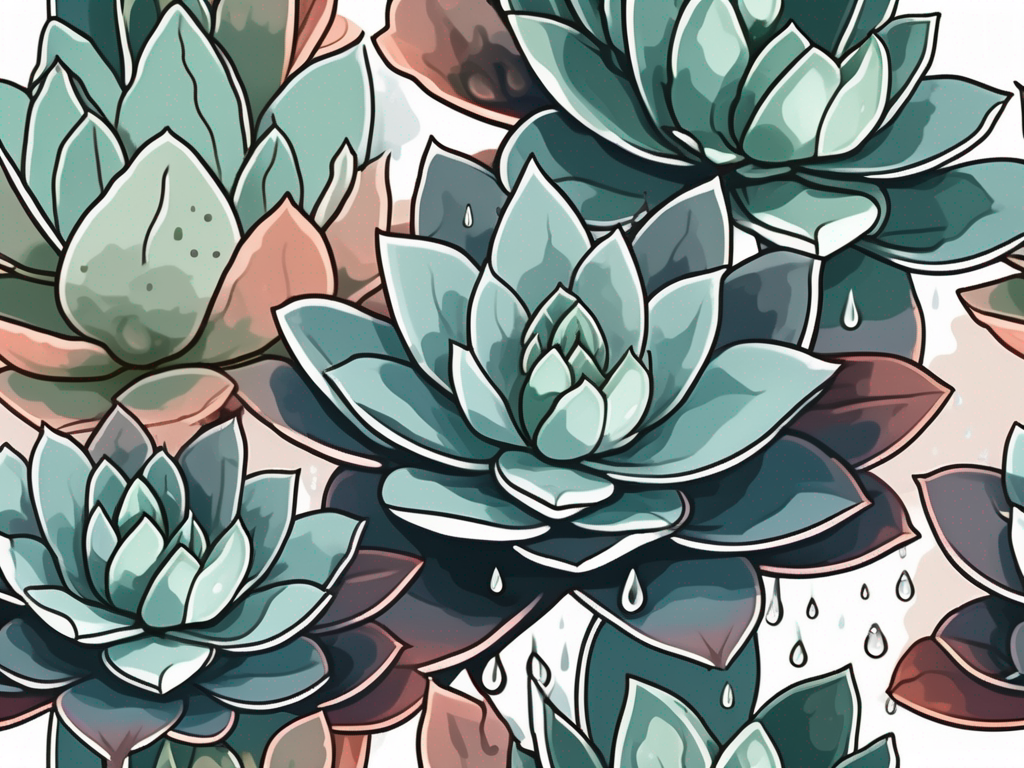
Ah, the Echeveria! These rosette-forming succulents are like the cool kids of the plant world, aren’t they? With their vibrant colors and effortless charm, they’re a staple in many plant collections. But have you ever wondered about their scientific name—or why it even matters? Well, you're in the right place.
In this article, we’re going to dig into everything you need to know about Echeveria, especially focusing on its intriguing scientific name. Along the way, we'll chat about how to keep these beauties thriving in your home, sprinkle in some design tips, and maybe even share a little plant humor. Let's get started!
The Origins of Echeveria's Scientific Name
Let's kick things off with a bit of botanical history. The name "Echeveria" honors Atanasio Echeverría y Godoy, a Mexican botanical artist known for his stunning illustrations of Mexican flora. His work was crucial in the 18th-century documentation of plants, and naming a genus after him was a fitting tribute.
But why does the scientific name matter? Well, for starters, it helps plant lovers and scientists communicate clearly about specific plants. Imagine trying to explain which Echeveria you're talking about without a scientific name. Chaos, right? The scientific name gives us a precise way to identify and discuss them, no matter where we are in the world.
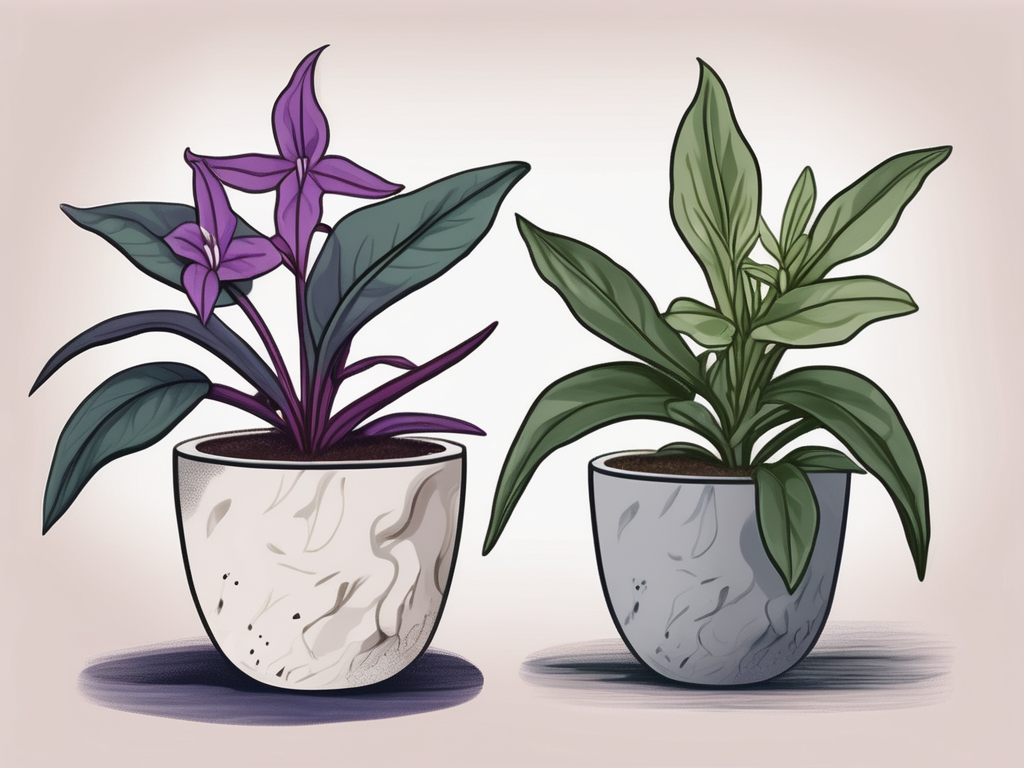
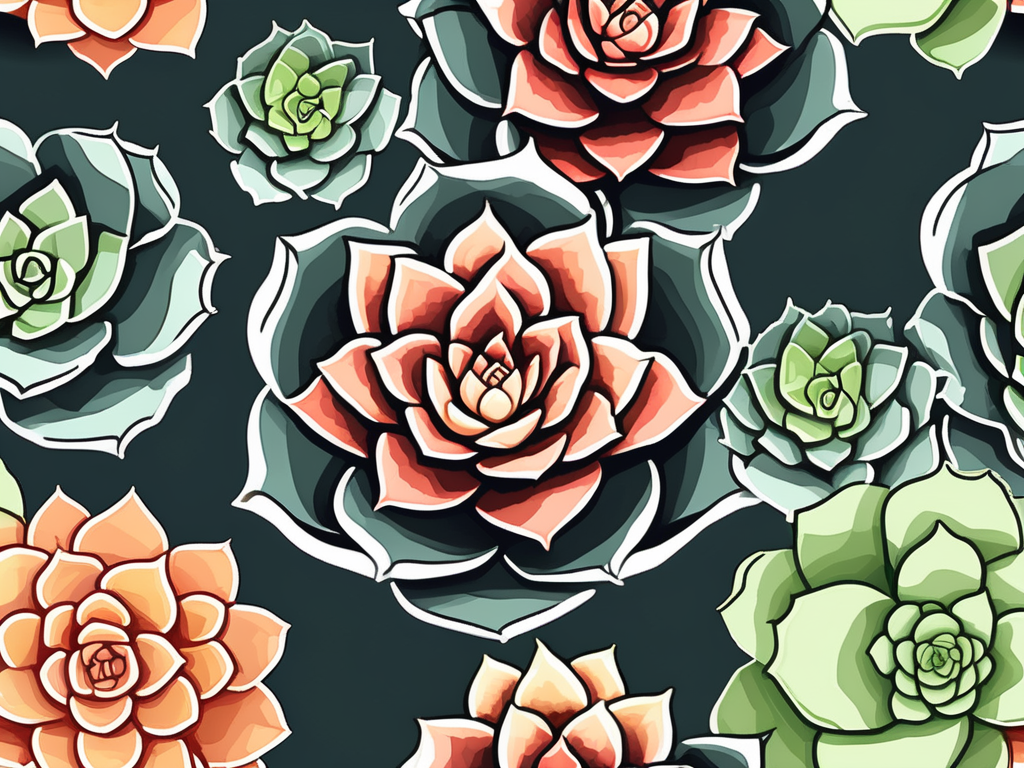
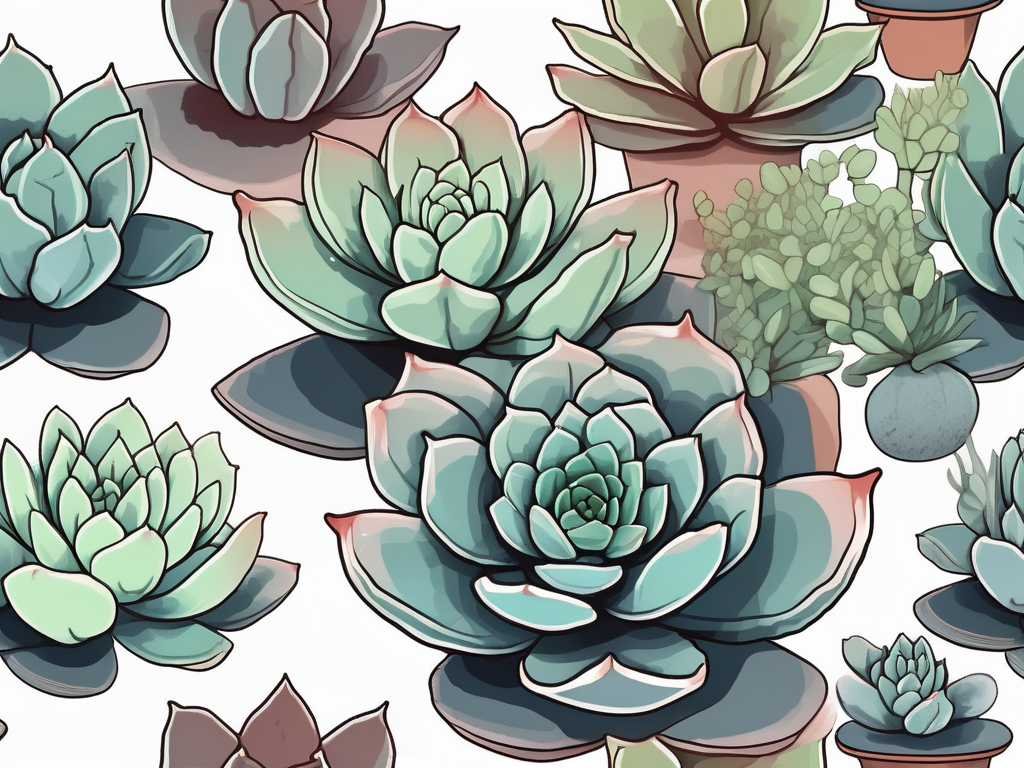
Interestingly enough, the genus Echeveria contains over 150 species, and each has its unique flair. From Echeveria 'Lola' with its pastel hues to Echeveria 'Black Prince,' which sports dark, mysterious leaves, each species offers something different. And that variety is part of what makes them so irresistible to plant lovers.
Why Echeveria is a Favorite Among Plant People
Now, why do plant people adore Echeveria? The reasons are plenty, but let’s talk about a few standouts:
- Ease of Care: Echeverias are like the low-maintenance friends who are always up for a good time. They don't demand much, making them perfect for both newbies and seasoned plant parents.
- Stunning Looks: Their symmetrical rosettes and varied color palette make them a visual treat. Whether in shades of blue, pink, or green, they always manage to steal the show.
- Versatility: You can use them in a myriad of ways—think windowsill displays, terrariums, or even bridal bouquets. Their adaptability is a designer's dream.
On the other hand, while Echeverias are generally easygoing, they do have their quirks. For instance, they prefer to bask in sunlight and can get quite moody if kept in the dark. But we'll get into care tips later on!
Caring for Your Echeveria: The Basics
Alright, let’s get down to the nitty-gritty of looking after these beauties. Echeverias are typically quite forgiving, but mastering a few basics will keep them thriving. Think of it as learning the dance moves before hitting the floor.
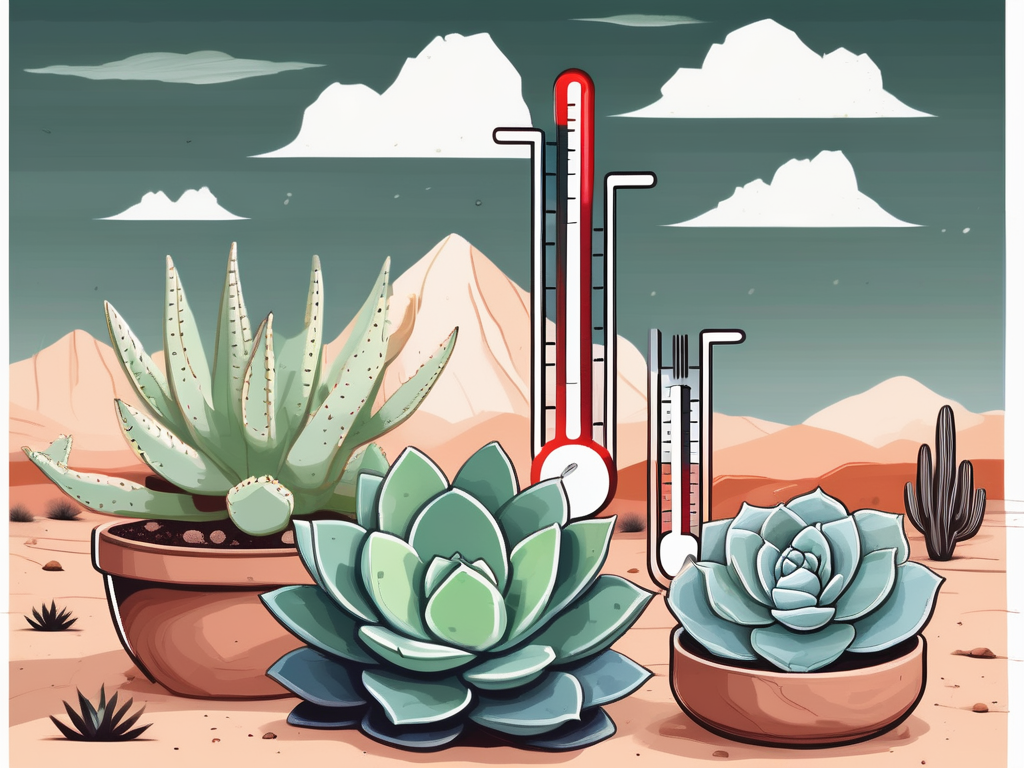
Light: Echeverias love sunlight, and they’ll show their appreciation by developing vibrant colors. Ideally, they need at least 6 hours of bright, indirect sunlight daily. A south-facing window is often perfect for them.
Water: When it comes to watering, less is more. Allow the soil to dry out completely between waterings. Overwatering is one of the quickest ways to send your Echeveria into a downward spiral.
Soil: These succulents prefer well-draining soil. A cactus or succulent mix is often your best bet. If you’re a DIY enthusiast, you can create your own by mixing potting soil with sand or perlite.
Interestingly, Echeverias have a way of letting you know when they’re not happy. If the leaves start to wrinkle, they might need more water. Conversely, if they become soggy or fall off, it’s time to ease up on the watering.
Potting and Repotting Echeveria: A Step-by-Step Guide
Potting and repotting your Echeveria can seem daunting initially, but it's a straightforward process once you know the steps. Here’s a simple guide to get you through it:
Choosing the Right Pot
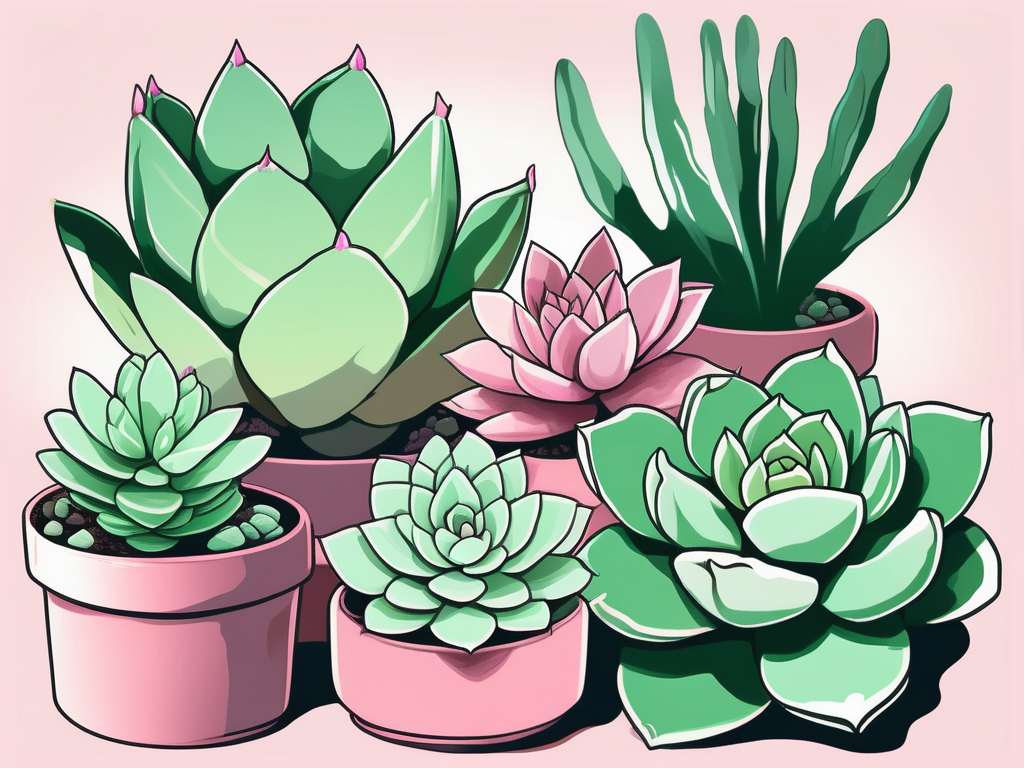
First things first, pick a pot with drainage holes. This is crucial. No one likes soggy feet, and neither do Echeverias. Terra cotta pots are a popular choice because they allow moisture to escape more easily.
Preparing the Soil
As mentioned earlier, a well-draining soil mix is essential. If you’re using a store-bought succulent mix, you’re good to go. Otherwise, create a mixture with two parts potting soil, one part perlite, and one part coarse sand.
Repotting Steps
- Gently remove the Echeveria from its current pot. If it’s stuck, tap the sides to loosen it.
- Check the roots. Healthy roots are white or light tan. Trim any that appear brown or mushy.
- Place the plant in the new pot, filling in with soil around it. Ensure the rosette sits above the soil line to prevent rot.
- Water lightly, allowing the soil to settle. Then, hold off on watering for a week to let the plant adjust.
Repotting is usually only necessary every couple of years or when the plant outgrows its pot. Trust me, your Echeveria will thank you with a healthy, thriving appearance.
Pest and Fungal Issues: What to Watch Out For
Even the most seasoned plant lovers face pest and fungal issues. While Echeverias are relatively resilient, they’re not entirely immune. Here’s what you should keep an eye on:
Pests: Mealybugs and aphids are the usual culprits. They’re like uninvited guests at a party, and they can cause damage if not dealt with. A cotton swab dipped in rubbing alcohol can help rid your plant of these pests.
Fungal Issues: Overwatering can lead to root rot or fungal diseases. If you notice black spots or a mushy base, it might be time for a soil change and a reduction in watering frequency.
Preventative Measures:
- Inspect new plants before introducing them to your collection.
- Keep leaves dry and ensure good air circulation.
- Use neem oil as a natural preventive measure against pests.
While it’s hard to say for sure, most fungal and pest issues arise from environmental stress. Keep your Echeveria in optimal conditions, and you’ll minimize these problems significantly.
Designing with Echeveria: Adding Flair to Your Space
One of the joys of owning Echeverias is their versatility in home design. They’re like the little black dress of plants—always stylish and adaptable to any setting. Here are some creative ways to incorporate them into your space:
Terrariums: Echeverias fit perfectly in terrariums, creating a mini-ecosystem right on your coffee table. Pair them with other succulents or air plants for a varied look.
Living Walls: If you’re feeling adventurous, consider creating a living wall. Echeverias add texture and color, making for an eye-catching feature in any room.
Table Centerpieces: Group different Echeveria species together in a shallow dish for a stunning table centerpiece. Mix and match colors and sizes for added interest.
Your imagination is the only limit. Echeverias are like blank canvases, ready to adapt to your design whims and enhance your home in unique ways.
Propagating Echeveria: Growing Your Collection
Want more Echeverias without a trip to the nursery? Propagation is a fun and rewarding way to expand your collection. Plus, it’s a great excuse to say, “Look what I grew!”
Leaf Propagation
- Gently twist a healthy leaf from the rosette, ensuring you get the entire leaf base.
- Let the leaf dry for a few days to form a callus. This step prevents rot.
- Place the callused leaf on top of soil and mist lightly.
- In a few weeks, roots and tiny rosettes will start forming at the base.
Offset Propagation
- Look for offsets or "pups" growing around the base of your Echeveria.
- Carefully separate the offset from the main plant.
- Let it dry for a day or two, then plant it in a pot with well-draining soil.
Propagation not only grows your collection but also deepens your connection to your plants. It’s like watching your family grow—every new leaf is a small victory.
Common Mistakes and How to Avoid Them
Even seasoned plant parents can make mistakes, but hey, it’s all part of the learning process. Here are some common pitfalls to watch out for and tips on how to steer clear:
Overwatering: This is the most common mistake. Remember, Echeverias prefer dry conditions. If you’re unsure, it’s safer to wait an extra day before watering.
Too Little Light: Without enough sunlight, Echeverias can become leggy and lose their vibrant colors. Make sure they’re getting ample light to maintain their compact rosette shape.
Ignoring Pests: Spotting a few pests might seem insignificant, but they can multiply quickly. Regularly inspect your plants and address any issues promptly.
By sidestepping these common errors, you’ll enjoy a healthier, happier Echeveria collection. And when in doubt, remember that these plants often thrive on a little neglect now and then.
Conclusion: Final Thoughts
So, there you have it—a deep dive into the fascinating Echeveria and its scientific name. We’ve covered everything from its origins to care tips, design ideas, and even propagation. Echeverias are truly captivating plants that offer endless possibilities for plant lovers.
At Cafe Planta, we believe in the power of plants to bring joy and beauty to our lives. We offer a range of houseplants, plant care accessories, and even plant-themed apparel for those who want to wear their plant passion on their sleeves. If you have questions about plant care or need some inspiration, feel free to email us or send a DM on Instagram. We're here to help you create a thriving plant collection that brightens your home.