If you've ever admired the rosette shape of an Echeveria, you're not alone. These charming succulents have captured the hearts of plant lovers worldwide. But have you ever wondered where these beautiful plants come from and how they thrive in the wild?
In this article, we'll take a closer look at the natural habitat of Echeveria. From their native landscapes to their survival strategies, we'll uncover the secrets behind their resilience and beauty. Let's embark on this journey to understand the wild origins of Echeveria.
The Origin of Echeveria
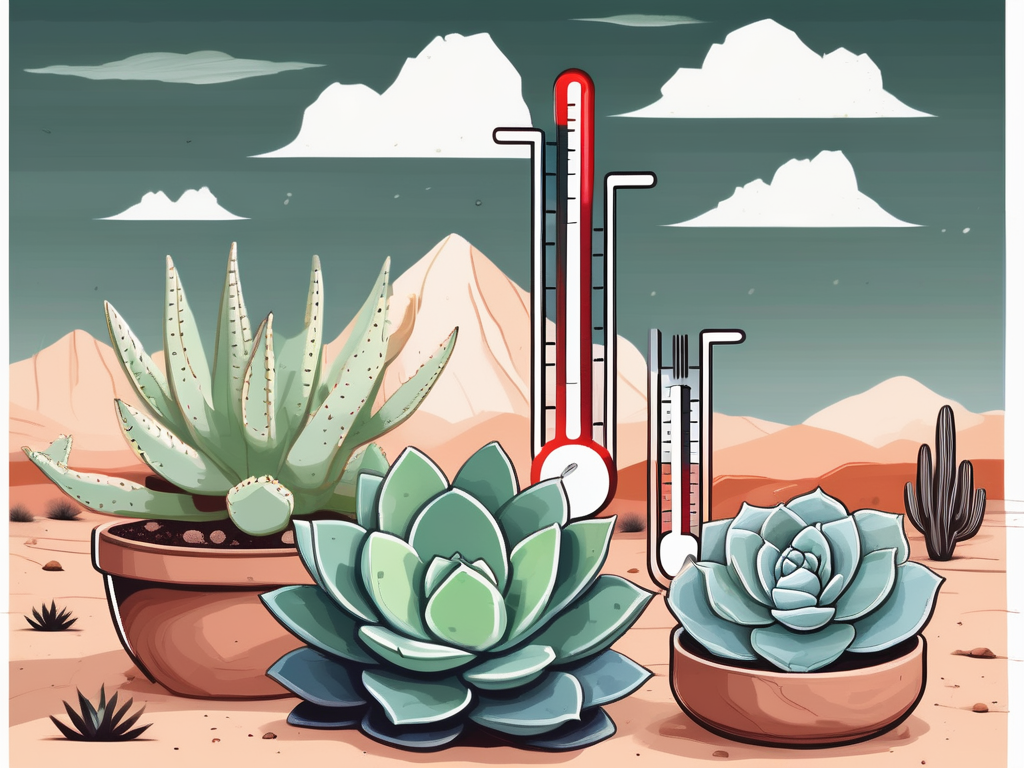
Echeveria, a genus of succulent plants, is native to the semi-desert regions of Central America, especially Mexico. With over 150 species, these plants have evolved to thrive in various climates, from rocky terrains to grassy fields. The name "Echeveria" honors the 18th-century Mexican botanist Atanasio Echeverría y Godoy, who contributed significantly to the study of Mexican flora.
These succulents have adapted to survive in environments with limited water resources, extreme temperatures, and high altitudes. Their native habitats are diverse, ranging from sandy deserts to mountainous regions. Understanding their origin gives us insight into how they can be so hardy and resilient, even in less-than-ideal conditions.
Interestingly, the natural beauty of Echeveria has made them popular in cultivation worldwide. Plant lovers often use them in rock gardens, as potted plants, or even as part of intricate succulent arrangements. Their varied colors and textures make them a favorite among gardeners and interior designers alike.
Survival Strategies in the Wild
Echeveria has developed several clever strategies to survive in the wild. One of the most noticeable features is their fleshy leaves, which store water to help them endure prolonged dry periods. This adaptation is crucial for their survival in arid climates where rainfall is scarce.
Additionally, their rosette shape helps them minimize water loss. The leaves are arranged in a way that channels rainwater toward the center of the plant, ensuring that every drop is utilized efficiently. This design also protects the inner leaves from the harsh sun, reducing evaporation.
Another fascinating adaptation is their ability to perform CAM (Crassulacean Acid Metabolism) photosynthesis. This process allows them to open their stomata at night instead of during the day, minimizing water loss while still absorbing carbon dioxide for photosynthesis. This nocturnal routine is a lifesaver in their hot, dry environments.
These survival strategies have enabled Echeveria to flourish in conditions that would challenge most other plants. Their resilience is a testament to the power of adaptation and evolution.
Climate and Soil Preferences
In their natural habitat, Echeveria plants enjoy warm temperatures and lots of sunlight. They are accustomed to environments where temperatures can soar during the day and drop significantly at night. This temperature fluctuation is an essential part of their growth cycle, influencing their blooming and dormancy periods.
When it comes to soil, Echeveria is not particularly picky, but they prefer well-draining soils. In the wild, they often grow in sandy or rocky soils, which prevent water from pooling around their roots. This drainage is crucial, as excess moisture can lead to root rot, a common issue in cultivation.
For those growing Echeveria at home, mimicking these conditions can lead to healthier, more vibrant plants. Providing plenty of light, warm temperatures, and well-draining soil will help them thrive and display their full potential.
Interactions with Wildlife
Echeveria plays a vital role in their ecosystems, providing food and shelter for various wildlife. Insects like bees and butterflies are attracted to their flowers, which offer nectar and pollen. These interactions not only benefit the insects but also aid in the pollination of the plants, ensuring their continued reproduction.
Some birds and small mammals may also feed on Echeveria leaves, although this is less common due to the plant's tough, succulent nature. However, the plants are often found in areas with minimal herbivore activity, allowing them to grow undisturbed.
These interactions highlight the interconnectedness of ecosystems and the importance of each species within them. Echeveria's role in their habitat is a reminder of nature's intricate balance and the need to preserve these natural environments.
Common Echeveria Species
While there are many Echeveria species, some are more commonly seen in cultivation due to their striking appearances and ease of care. Here are a few favorites:
- Echeveria elegans: Known as the "Mexican Snowball," this species features pale green leaves with a powdery coating, giving it a frosty appearance.
- Echeveria agavoides: This species has bright green leaves with red tips, resembling an agave plant. It's popular for its vibrant colors and compact growth.
- Echeveria 'Black Prince': With dark, almost black leaves, this cultivar stands out in any succulent collection. Its striking contrast makes it a favorite among plant lovers.
These species, among others, showcase the diversity within the Echeveria genus. Each has unique characteristics that appeal to different tastes and preferences, making them versatile additions to any garden or indoor space.
Challenges in Cultivation
While Echeveria is generally easy to care for, they can face challenges, especially when grown indoors. One of the most common issues is overwatering, as their roots are prone to rot in soggy soil. To prevent this, it's important to let the soil dry out completely between waterings.
Another challenge is providing enough light. Echeveria thrives in bright, direct sunlight, so they may struggle in low-light conditions. If you're growing them indoors, placing them near a south-facing window or using grow lights can help meet their light requirements.
Pests can also be a concern, with mealybugs and aphids being the most common culprits. Regularly inspecting your plants and using insecticidal soap or neem oil can help keep these pests at bay.
Despite these challenges, with a little attention and care, Echeveria can thrive in a variety of settings, bringing a touch of their natural beauty into your home.
Designing with Echeveria
Echeveria's stunning shapes and colors make them excellent choices for creative plant displays. Their versatility allows them to fit seamlessly into various design styles, from minimalist to bohemian.
Here are some ideas for incorporating Echeveria into your home or garden:
- Succulent Arrangements: Combine different Echeveria species with other succulents to create visually appealing arrangements. Use contrasting colors and textures for a dynamic look.
- Terrariums: Echeveria's compact size makes them ideal for terrariums. Pair them with decorative stones and sand for an eye-catching display.
- Vertical Gardens: Use Echeveria in vertical planters to add greenery to walls and fences. Their rosettes create a beautiful, cascading effect.
Whether you're designing an outdoor garden or an indoor display, Echeveria offers endless possibilities for creativity and expression.
Propagation Techniques
Propagating Echeveria can be a rewarding experience, allowing you to expand your collection or share plants with friends. There are several methods you can use, each with its own advantages.
Leaf Cuttings: Gently twist a healthy leaf from the plant, ensuring you get the entire base. Let it dry for a few days until a callus forms, then place it on well-draining soil. With time and patience, new roots and rosettes will develop.
Offsets: Many Echeveria species produce offsets, or "pups," around the base of the parent plant. Carefully remove these with a clean knife and plant them in their own pots.
Stem Cuttings: If your Echeveria becomes leggy, you can cut the top rosette and replant it. Allow the cutting to dry and callus before planting it in soil.
Each propagation method has its own charm, and experimenting with different techniques can be both educational and fun.
Connecting Echeveria to Modern Trends
In recent years, succulents like Echeveria have become a trendy choice for home decor and gifts. Their low maintenance and unique aesthetic appeal to busy individuals looking for easy-care plants.
Beyond traditional plant care, Echeveria has also influenced art and fashion. From succulent-themed jewelry to vibrant paintings, their influence can be seen across various creative industries.
Additionally, the rise of social media has contributed to their popularity, with plant enthusiasts sharing their collections and designs online. This digital community has helped spread the love for Echeveria and inspire new plant parents to join the succulent craze.
Incorporating Echeveria into your life can be a simple way to stay in touch with current trends while enjoying the natural beauty of these remarkable plants.
Final Thoughts
As we've discovered, Echeveria's natural habitat is a fascinating blend of beauty and resilience. These remarkable succulents have adapted to survive and thrive in challenging environments, providing us with inspiration and joy. From their origin in Central America to their role in modern design, they continue to captivate plant lovers around the world.
At Cafe Planta, we celebrate the beauty and wonder of plants like Echeveria. Whether you're looking for a new addition to your home or need advice on plant care, we're here to help. Feel free to email us or slide into our Instagram DMs. Let's grow together and create thriving, plant-filled spaces that bring joy and connection to our lives.