Ah, Echeveria! This charming succulent has found its way into the hearts and homes of plant lovers everywhere. With its beautiful rosette shape and vibrant colors, it’s hard not to fall in love. But like any good relationship, it requires understanding and care. One of the biggest pitfalls for Echeveria owners? Overwatering. Yes, you heard that right. Too much love can actually harm your precious plant.
In this article, we'll explore why overwatering is a common issue with Echeveria, the signs that your plant might be drowning in too much water, and most importantly, how to prevent and fix the damage. Whether you're new to the world of succulents or a seasoned plant parent, there's always something to learn about keeping your Echeveria thriving.
Why Overwatering is a Problem
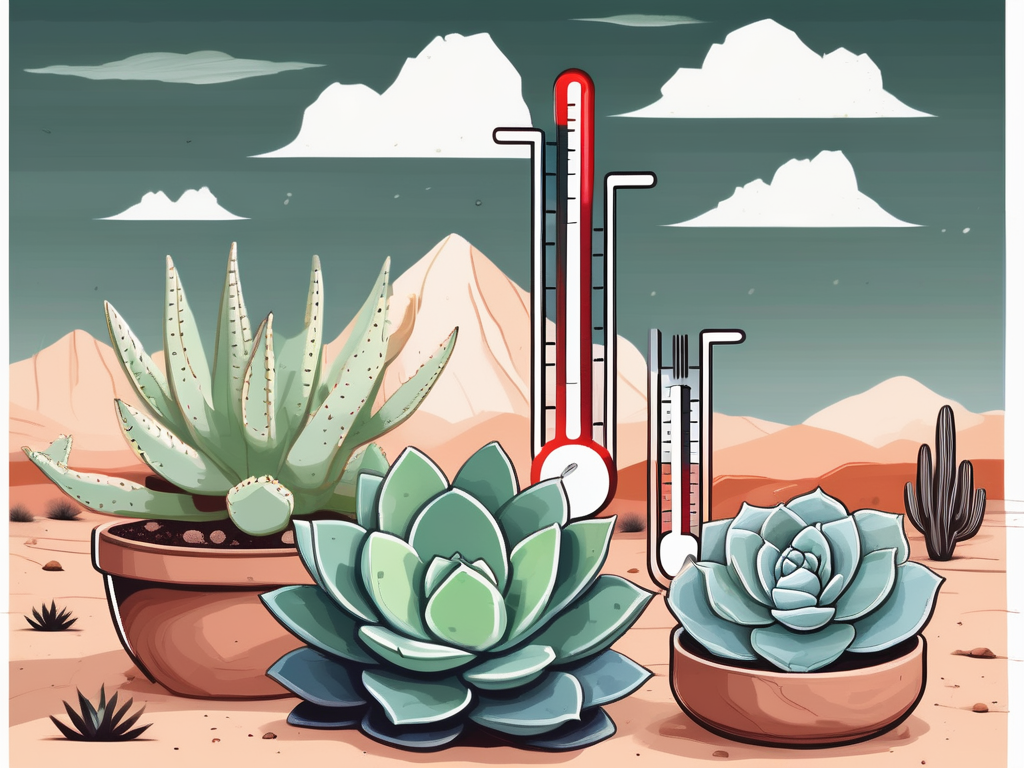
At first glance, it might seem counterintuitive that a plant could suffer from too much water. After all, isn't water essential for growth? While that's true, Echeverias hail from arid regions where water is scarce, and they're adapted to survive with minimal moisture. Their thick leaves store water, allowing them to go without for extended periods. When you overwater, you disrupt this natural balance.
Overwatering can lead to several problems. The most immediate issue is poor oxygenation. When the soil is constantly wet, air pockets are filled with water, making it difficult for the roots to breathe. This suffocation can lead to root rot, a condition that can be fatal if not addressed promptly. Imagine trying to breathe through a wet blanket—it's not comfortable, and it's certainly not healthy.
Moreover, too much moisture can create a breeding ground for pests and fungal infections. These unwelcome guests can further stress your plant, making it even more vulnerable to damage. So, while it might seem like you're giving your Echeveria the royal treatment by watering frequently, you're actually setting the stage for a host of problems.
Recognizing the Signs of Overwatering
So, how do you know if your Echeveria is suffering from overwatering? Fortunately, these succulents offer several clues. One of the first things to watch for is a change in leaf appearance. Overwatered Echeverias often have swollen, mushy leaves that may turn translucent or yellow. This is because the cells become waterlogged and start to break down.
Another telltale sign is leaf drop. While it's normal for older leaves at the base of the plant to die off, if you notice a significant increase in leaf loss, it could be due to excessive moisture. The plant is essentially trying to shed the parts that are most affected in a bid for survival.
Also, take a close look at the stem and roots. If the stem feels squishy or the roots are brown and slimy, you might be dealing with root rot. This condition can be tricky because it often starts below the surface. By the time you see symptoms above ground, the roots may already be severely damaged.
Choosing the Right Pot and Soil
Preventing overwatering starts with the right pot and soil. Echeveria needs a pot with good drainage because trapped water is their arch-nemesis. Look for pots with multiple drainage holes. If you fall in love with a pot that doesn't have any, consider drilling holes yourself or using it as a decorative cover for a more functional pot inside.
When it comes to soil, not all mixes are created equal. Echeverias thrive in fast-draining soil that mimics their natural environment. A cactus or succulent potting mix is ideal. If you prefer to make your own, combine regular potting soil with sand or perlite to improve drainage. The goal is to allow water to flow through quickly, leaving just enough moisture for the plant to absorb what it needs.
Remember, the pot and soil are your first line of defense against overwatering. By ensuring excess water can escape and isn't retained, you create an environment where your Echeveria can thrive.
Watering Techniques for Healthy Growth
Watering correctly can feel a bit like walking a tightrope, but it's all about balance. Echeverias prefer a "soak and dry" method. This means you water thoroughly, allowing the water to soak through the soil and drain out the bottom, and then wait until the soil is completely dry before watering again.
How often should you water your Echeveria? It depends on several factors, including the time of year, the humidity of your environment, and the size of the pot. During the growing season (spring and summer), you might find yourself watering every week or two. In the dormant months (fall and winter), the frequency will decrease, sometimes to once a month. Always check the soil moisture before reaching for your watering can.
If you're unsure whether it's time to water, the finger test is a tried-and-true method. Simply stick your finger about an inch into the soil. If it feels dry, it's time to water. If it's still damp, hold off. The key is to avoid a rigid schedule and instead respond to the plant’s needs.
Adjusting Care for Seasonal Changes
Just like people, plants need different things depending on the time of year. Echeverias are no different. During the spring and summer, they're in their active growth phase, meaning they need more water, sunlight, and nutrients. But as fall approaches, they start to slow down, entering a period of dormancy during the winter months.
In the growing season, you might notice your Echeveria putting out new leaves and maybe even some flowers. This is when they’ll appreciate a bit more water and possibly some diluted fertilizer every few weeks. However, as temperatures drop and daylight decreases, you'll want to cut back on both water and feeding.
Overwatering during dormancy is a common mistake. The plant’s metabolic processes slow, and it requires less moisture. Stick to the "soak and dry" method, but extend the dry periods. It's a bit like switching from coffee to herbal tea as your energy needs change throughout the day.
Reviving a Waterlogged Echeveria
If you suspect your Echeveria is suffering from overwatering, don’t despair—there's hope! First, stop watering immediately and let the soil dry out completely. This might take a few days or even weeks, depending on the conditions.
Next, assess the damage. Gently remove the plant from its pot and inspect the roots. Healthy roots should be firm and white, while rotting ones will be brown and mushy. Trim away any affected roots with clean, sharp scissors, taking care to leave as much healthy root as possible.
Once pruned, allow the plant to air out for a day or two. This helps any cuts to callous over and reduces the risk of infection. When you’re ready to repot, use fresh, well-draining soil in a pot with adequate drainage. Resume watering only once the soil is completely dry.
Be patient. It may take some time for your Echeveria to bounce back, but with proper care, it can recover and thrive once more. Think of it as a spa day for your plant—a little R&R can work wonders.
Preventive Measures for Long-Term Health
Prevention is the best cure, and with a few simple habits, you can avoid overwatering your Echeveria in the future. Consider setting reminders to check soil moisture rather than sticking to a strict watering schedule. This encourages you to respond to the plant's needs rather than following a potentially harmful routine.
Additionally, keep your Echeveria in a spot where it receives plenty of indirect light. Sunlight helps the soil dry out more quickly, reducing the risk of water retention. If you notice that the plant is not getting enough light, you might see it stretching towards the source—a sign to relocate it to a brighter spot.
Regularly inspect your plant for signs of distress, such as changes in leaf color or texture, and adjust your care routine accordingly. A little attention goes a long way in maintaining plant health. And remember, err on the side of underwatering. Echeverias can handle a bit of drought much better than they can a deluge.
Creating a Beautiful Plant Display
Beyond keeping your Echeveria healthy, there's also the joy of incorporating it into your home décor. These succulents are not only easy on the eyes but also incredibly versatile when it comes to interior design. You can create stunning arrangements by grouping multiple Echeverias of varying colors and sizes or mixing them with other succulents for a textured display.
Consider using decorative pots that complement your home's aesthetic. Neutral tones can help the vibrant colors of the Echeveria pop, while more colorful pots can add a playful touch. If you’re feeling creative, you can even paint or decorate plain terracotta pots for a personalized touch.
Position your Echeveria where it can be admired but also receive the appropriate amount of sunlight. A sunny windowsill, a bright shelf, or a plant stand in a well-lit room can all make ideal spots. Just make sure the plant isn’t too close to the glass, as direct sun can sometimes lead to leaf burn.
Final Thoughts
Overwatering can easily be one of the trickiest parts of Echeveria care, but with some attention and care, you can keep your plant healthy and vibrant. From choosing the right pot and soil to adjusting your care routine with the seasons, these steps will help you avoid common pitfalls and enjoy the beauty of your Echeveria for years to come.
At Cafe Planta, we're passionate about helping you succeed in your plant journey. Whether you're looking for new plant additions, care accessories, or even plant-themed apparel, we've got you covered. If you have any questions, please don't hesitate to email us or reach out on our Instagram. We love connecting with fellow plant people and sharing tips and stories that bring us all closer to nature.