Echeveria is a name that might sound like a tongue twister at first, but for plant lovers, it's as familiar as sunlight. If you've ever found yourself hesitating before saying it out loud, you're not alone. Pronouncing plant names can sometimes feel like navigating a verbal labyrinth. But don't worry, we're here to guide you through it.
In this article, we'll explore the correct pronunciation of Echeveria, along with a few interesting tidbits about this popular succulent. We'll also dive into the world of plant names, why they're important, and how they can sometimes be a little tricky. So, whether you're a seasoned plant parent or just starting your green journey, stick around and let's get started!
What's in a Name? The Basics of Plant Pronunciation
Before we go straight to the pronunciation of Echeveria, it's helpful to understand why plant names can be so challenging in the first place. Botanical names are often derived from Latin or Greek, which can be intimidating if you're not familiar with those languages. However, these names offer a universal language that plant people across the globe can understand, regardless of their native tongue.
For example, the word "Echeveria" is named after Atanasio Echeverría y Godoy, a Mexican botanical artist. Knowing the origin of the name can sometimes give you clues on how to pronounce it. But let's face it, not everyone has the time to dive into botanical history every time they buy a new plant!
So, what's the secret to mastering these names? Practice, patience, and a little bit of phonetic knowledge. Don't be afraid to ask fellow plant lovers or even use online resources to hear how these names sound. The goal is to communicate effectively, not to become a Latin scholar overnight.
How to Pronounce Echeveria
Now, onto the main event: Echeveria. There are a few variations in pronunciation, depending on regional accents and personal preferences, but here's a straightforward way to say it: "eh-cheh-VER-ee-uh." Let's break it down:
- Eh: Like the "e" in "bet."
- Cheh: Rhymes with "check."
- VER: Emphasize this syllable, like in "very."
- Ee-uh: Soft, like the ending of "Maria."
Try saying it out loud a few times. It might feel a bit awkward at first, but with practice, it'll roll off your tongue more easily. Remember, pronunciation can vary, and that's okay. The important thing is to be understood and to enjoy sharing your plant passion with others.
Why Pronunciation Matters
You might wonder why it's important to get the pronunciation right. After all, isn't it enough to know how to care for your plants? While plant care is definitely the priority, pronunciation plays a crucial role in communication. Imagine discussing your favorite Echeveria variety at a garden club meeting, only to realize you're talking about completely different plants because of a mispronunciation!
Correct pronunciation helps you connect with other plant lovers, ensures accurate information exchange, and can even boost your confidence as a plant parent. Plus, it's a fun way to learn something new and expand your knowledge. Who doesn't love a little trivia to spice up conversations?
Moreover, it shows respect for the plant's origin and history. Names often carry cultural significance, and by taking the time to pronounce them correctly, you're honoring that heritage. So, while it might seem like a small detail, it can have a bigger impact than you might think.
The Fascinating World of Echeveria
Echeverias are a popular choice among succulent enthusiasts, and it's easy to see why. These rosette-forming plants are not only visually stunning but also relatively easy to care for. They come in a variety of shapes, sizes, and colors, making them a versatile addition to any plant collection.
Originating from semi-desert areas of Central America, Echeverias are well-suited to dry conditions. This makes them perfect for those who might not have a green thumb or who tend to forget to water their plants. They're like the camels of the plant world, holding water in their thick, fleshy leaves.
In addition to being drought-tolerant, Echeverias are also known for their ability to thrive indoors. They can brighten up a windowsill, add charm to a coffee table, or bring life to a dull office space. Their adaptability makes them a favorite among urban dwellers and apartment plant lovers alike.
Caring for Your Echeveria
Once you've mastered the pronunciation, the next step is to ensure your Echeveria is happy and healthy. Fortunately, Echeverias are low-maintenance plants, making them perfect for beginners and busy plant owners. Here are some basic care tips:
- Light: Echeverias love bright, indirect sunlight. Place them near a south-facing window for optimal growth.
- Water: Allow the soil to dry out completely between waterings. Overwatering is a common mistake, so it's better to underwater than overdo it.
- Soil: Use well-draining soil, like a cactus mix, to prevent root rot.
- Pot: Choose a pot with drainage holes to allow excess water to escape.
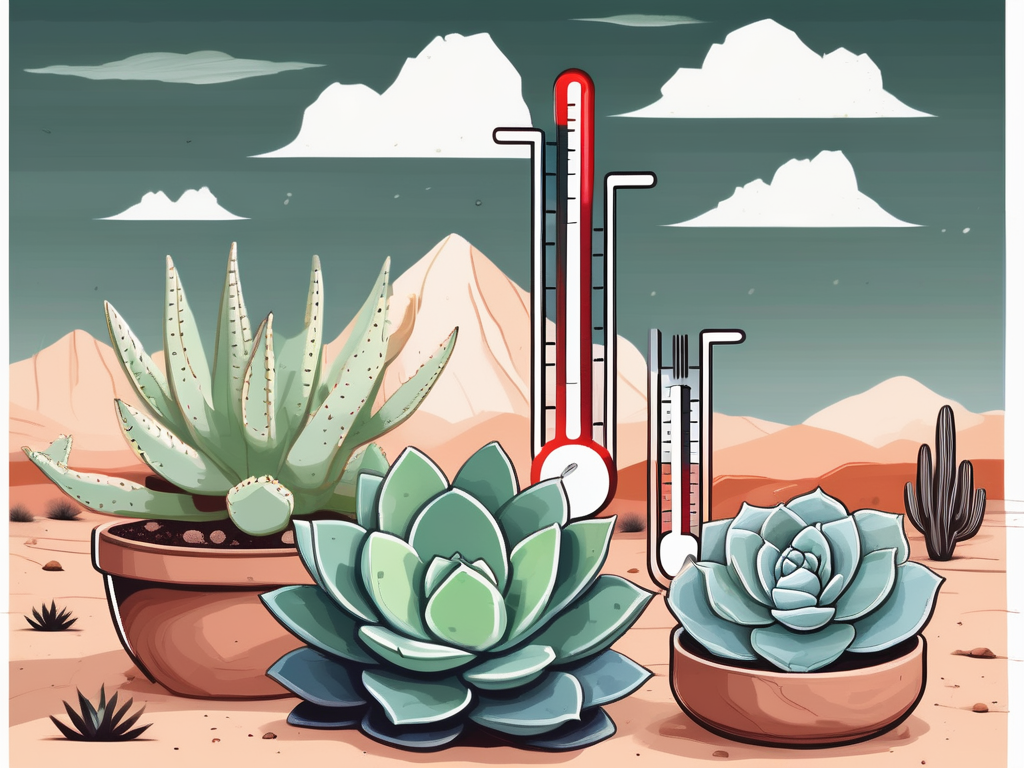
- Temperature: Echeverias prefer temperatures between 65-80°F (18-27°C). Keep them away from cold drafts and extreme heat.
By following these guidelines, your Echeveria will likely thrive and may even reward you with beautiful blooms. Just remember that every plant is unique, so pay attention to its specific needs and adjust care accordingly.
Common Mistakes with Echeveria Care
Even though Echeverias are easy to care for, there are a few common pitfalls to avoid. One of the biggest mistakes is overwatering. Succulents, including Echeverias, are prone to root rot if they sit in waterlogged soil. Always check that the top inch of soil is dry before watering again.
Another mistake is not providing enough light. While they can survive in lower light conditions, Echeverias will stretch out and lose their compact form if they don't receive enough sunlight. Aim for bright, indirect light, and consider supplementing with artificial grow lights during the darker months.
Lastly, using the wrong type of soil can hinder your Echeveria's growth. Regular potting soil retains too much moisture, so it's essential to use a well-draining mix specifically designed for succulents and cacti. This simple change can make a big difference in your plant's health.
Designing with Echeverias
Echeverias aren't just for plant shelves; they're also fantastic for interior design. Their striking forms and colors can add a touch of nature to any room, creating a soothing and inviting atmosphere. Whether you prefer a minimalist look or a more eclectic style, there's an Echeveria variety to suit your taste.
Consider grouping different Echeveria species together for a stunning succulent arrangement. You can mix and match colors, textures, and sizes to create a visually appealing display. Use decorative pots, pebbles, or driftwood to add an extra layer of interest.
If you're feeling creative, Echeverias are perfect for crafting projects like succulent wreaths, terrariums, or living wall art. Their durability and low water requirements make them ideal for projects that require minimal maintenance. Let your imagination run wild and experiment with different arrangements to find what works best for your space.
Propagation Tips for Echeveria
One of the joys of owning Echeverias is the ease with which they can be propagated. If you've ever wanted to expand your collection or share your plants with friends, propagation is the way to go. Here's a simple method you can try:
- Leaf Cuttings: Gently twist a healthy leaf from the stem, ensuring it's a clean break. Allow it to dry for a day or two until the end callouses over.
- Place on Soil: Lay the calloused leaf on top of well-draining soil. You don't need to bury it; just make sure it's in contact with the soil.
- Water Sparingly: Mist the leaf lightly every few days, being careful not to overwater. In a few weeks, you should see tiny roots and a new rosette forming.
- Transplant: Once the new plant is established, you can transplant it to a pot of its own and care for it as you would a mature Echeveria.
Propagation is a rewarding process that can spark a deeper connection with your plants. It also offers a wonderful opportunity to share your love of Echeverias with others, spreading the joy of plant parenthood far and wide.
Dealing with Pests and Problems
Even the hardiest plants can occasionally face issues, and Echeverias are no exception. Common pests include mealybugs, spider mites, and aphids. Keep a close eye on your plants and act quickly if you notice any signs of infestation.
For mealybugs, a cotton swab dipped in rubbing alcohol can help remove them. Spider mites and aphids can often be washed off with a gentle stream of water or treated with insecticidal soap. Regularly cleaning your plants and ensuring good air circulation can prevent these pests from taking hold.
Another issue Echeverias may encounter is fungal diseases, often caused by overwatering or poor air circulation. If you notice black spots or mushy leaves, it's time to adjust your watering habits and improve ventilation around your plants. Removing affected leaves and using a fungicide can also help control the problem.
Connecting with the Plant Community
Pronouncing Echeveria correctly is just one way to connect with fellow plant people. Engaging with the plant community can enhance your plant journey, offering new insights, tips, and friendships. Online forums, social media groups, and local plant swaps are great places to start.
Sharing your experiences and learning from others' successes and challenges can deepen your understanding and appreciation of plants. You might even discover new varieties or techniques that inspire you to expand your collection or try something different.
And remember, no one knows everything about plants. The joy of plant parenting lies in the continuous learning and the shared passion among enthusiasts. Whether you're asking for advice or sharing your latest propagation success, the plant community is a welcoming and supportive place for all.
Final Thoughts
In summary, mastering the pronunciation of Echeveria is a small but significant step in your plant journey. It's about more than just getting the name right; it's about embracing the rich history and diversity of the plant world, and connecting with others who share your passion.
At Cafe Planta, we believe in nurturing this connection and helping you care for your plants with joy and confidence. Whether you're searching for a new plant friend or looking for expert advice, we're here for you. Feel free to email us or reach out on Instagram. Let's grow together and create beautiful, thriving spaces filled with the wonder of nature.