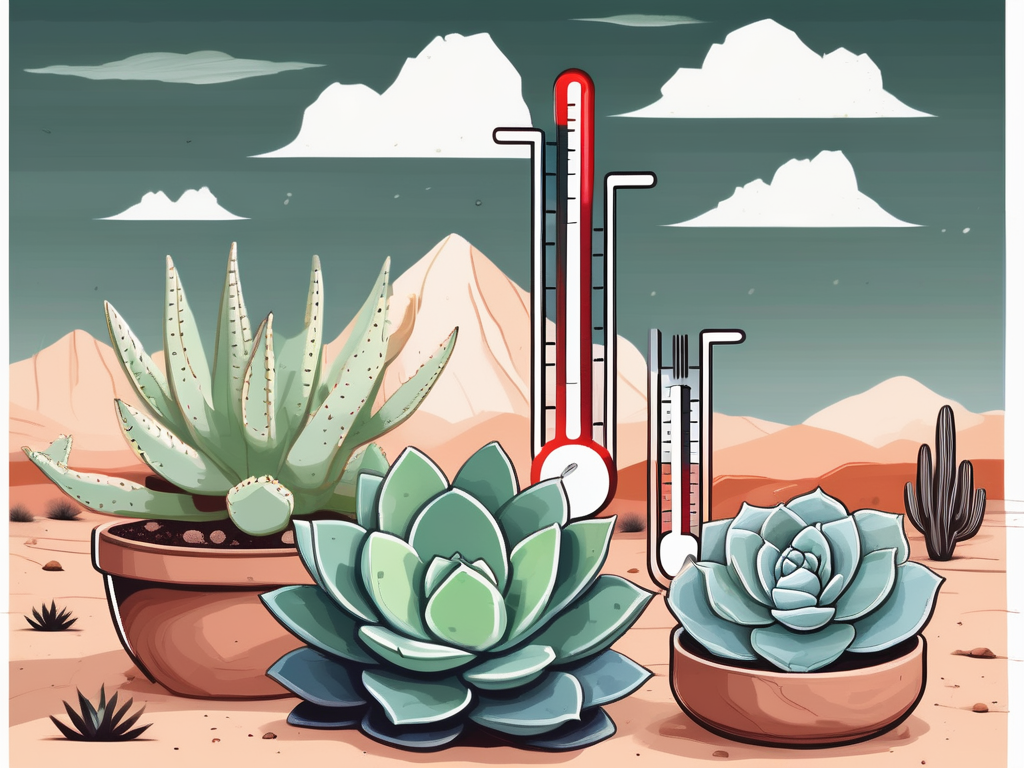
When you bring an Echeveria into your home, you're not just adding a pretty plant to your collection. You're welcoming a vibrant, unique succulent that has its own rhythm of growth. But just how fast do these charming plants grow, and what can you do to help them reach their full potential?
In this article, we’ll explore everything you need to know about the growth rate of Echeveria. We'll look at factors that influence their growth, share tips on how to care for them, and offer insights into integrating them into your home decor effectively. By the end, you'll have a clearer understanding of how to nurture these beauties to thrive in your home.
Understanding Echeveria Growth Patterns
Echeveria plants are a favorite among plant lovers for their stunning rosettes and diverse colors. But understanding their growth patterns can be a bit of a mystery. Generally, Echeveria are slow to moderate growers. Their growth rate can depend on several factors, including the species, environment, and care practices.
Most Echeveria varieties will grow a few inches per year. This might not seem like much, but for a succulent, that's quite respectable! Some varieties, like Echeveria 'Perle von Nürnberg', can grow faster than others, expanding their rosette and producing new offsets periodically.
Interestingly enough, Echeveria tend to grow more during the warmer months when they have access to more sunlight. During the winter months, their growth slows down significantly, entering a dormant phase. This is a natural part of their cycle, so don't panic if your Echeveria seems to be taking a break in the colder months.
Factors Affecting Echeveria Growth
Several factors play a significant role in how quickly an Echeveria plant grows. Understanding these can help you optimize conditions for healthy growth.
Light
Light is crucial for the growth of Echeveria. They thrive in bright, indirect sunlight. Ideally, they should receive at least six hours of light per day. If you're growing them indoors, placing them near a south or east-facing window can provide the light they need. However, be cautious of direct, harsh sunlight, which can scorch their leaves.
Water
Watering is another critical aspect. Echeveria prefer the "soak and dry" method, where the soil is thoroughly soaked and then allowed to dry out completely before the next watering. Overwatering can lead to root rot, which stunts growth and can ultimately kill the plant. On the other hand, underwatering can cause the leaves to shrivel and stunt growth as well.
Temperature
These succulents enjoy warm temperatures ranging from 65°F to 80°F. While they can tolerate cooler temperatures, extended exposure to cold can hinder their growth and potentially damage the plant. If you live in a colder climate, consider bringing your Echeveria indoors during the winter months.
Choosing the Right Pot and Soil
The right pot and soil mix are essential for promoting healthy Echeveria growth. Let's break down what that means.
Pot Selection
When it comes to pots, drainage is key. Choose a pot with drainage holes to prevent water from sitting at the bottom, which can lead to root rot. Terracotta pots are a popular choice because they allow for better air circulation, which helps the soil dry out more quickly.
Soil Mix
As for soil, a well-draining mix is non-negotiable. You can purchase a cactus or succulent soil mix, which is designed to provide the drainage these plants need. Alternatively, you can make your own by mixing regular potting soil with perlite or sand to improve drainage.
Common Problems and Solutions
Even with the best care, Echeveria can encounter problems that affect their growth. Here are some common issues and how to address them.
Pests
Echeveria can fall victim to pests like mealybugs and aphids. These pests can stunt growth by feeding on the plant's sap. If you notice small, cotton-like clusters or tiny insects, it's time to act. Treat the plant with insecticidal soap or neem oil, and ensure you're not overwatering, as pests thrive in moist environments.
Fungal Issues
Fungal infections, like powdery mildew, can also impact growth. This often appears as a white, powdery substance on the leaves. Improving air circulation and reducing humidity can help prevent fungal issues. If needed, use a fungicide to treat the affected plant.
Leaf Dropping
Leaf dropping can be a sign of stress due to improper watering or temperature changes. Ensure you're following the soak and dry method, and that the plant isn't exposed to temperatures outside its comfort range. It's also helpful to keep the plant in a stable environment without sudden shifts in temperature or light.
Propagating Echeveria
Want more Echeveria in your life? Propagation is a fun and rewarding way to expand your collection. Echeveria can be propagated through leaf cuttings or offsets.
Leaf Cuttings
To propagate through leaf cuttings, gently twist a healthy leaf from the base of the plant. Let the leaf callous over for a few days, then place it on top of well-draining soil. Mist the soil lightly, and within a few weeks, you should see new roots forming.
Offsets
Offsets, or "pups," are smaller rosettes that grow around the base of the parent plant. Once they're big enough, you can gently separate them and plant them in their own pot. Make sure the soil is dry before you water them, and give them plenty of light to encourage growth.
Incorporating Echeveria into Your Home Decor
Part of the joy of growing Echeveria is their aesthetic appeal. They can add a touch of elegance and vibrancy to any space. Here are a few ideas on how to integrate them into your home decor.
Windowsills and Shelves
Place Echeveria on windowsills or shelves where they can get plenty of light. Consider grouping them with other succulents for a charming display that can brighten up any room.
Terrariums
Echeveria can thrive in open terrariums. Just make sure there's enough airflow to prevent moisture buildup. Combine them with rocks, sand, and other succulents for a mini desert landscape.
Table Centerpieces
Use Echeveria as a centerpiece on dining or coffee tables. Pair them with candles and other decorative elements for a simple yet stylish arrangement.
Seasonal Care for Echeveria
Like many plants, Echeveria requires different care throughout the year. Adjusting your care routine seasonally can promote better growth.
Spring and Summer
During the warmer months, Echeveria are in their active growing phase. They need more water, so check the soil regularly and water when it's dry. This is also a good time to fertilize. Use a cactus or succulent fertilizer every 4-6 weeks to give them a little growth boost.
Fall and Winter
In contrast, fall and winter are dormant periods for Echeveria. Reduce watering frequency and stop fertilizing altogether. If they're indoors, ensure they still receive plenty of light, as sunlight is less intense during these months.
How to Choose the Right Echeveria for Your Space
With so many varieties out there, choosing the right Echeveria for your space can be a delightful challenge. Here are some tips to help you select the perfect plant.
Size and Space
Consider the size of the space where you'll place the Echeveria. Some varieties, like Echeveria 'Lola', stay relatively small, making them ideal for tight spaces. Others, like Echeveria 'Blue Atoll', can grow larger and are better suited for spacious areas.
Color and Aesthetic
Echeveria come in a range of colors from greens and blues to pinks and purples. Choose a color that complements your existing decor. For a pop of color, try Echeveria 'Afterglow' with its stunning pink and purple hues.
Care Requirements
Different varieties have slightly different care needs. Research the specific care requirements of the Echeveria you’re considering to ensure it will thrive in the environment you can provide.
Tips for Thriving Echeveria
If you want to see your Echeveria flourish, here are a few additional tips to keep in mind.
Rotate Regularly
To ensure even growth, rotate your Echeveria every few weeks. This helps prevent the plant from leaning towards the light and encourages a balanced shape.
Keep It Clean
Dust can accumulate on Echeveria leaves, blocking sunlight and affecting photosynthesis. Gently clean the leaves with a soft brush or cloth to keep them dust-free.
Observe and Adjust
Pay attention to how your Echeveria is responding to its environment. If you notice signs of stress, such as leaf shriveling or discoloration, adjust your care routine accordingly.
Final Thoughts
Echeveria are delightful plants that bring beauty and character to any home. While they may not grow at lightning speed, their steady growth can be incredibly rewarding with the right care and attention. By understanding their needs and making a few adjustments to your care routine, you can enjoy a thriving Echeveria collection.
At Cafe Planta, we're here to help you on your plant journey. Whether you're looking for new plants to add to your collection or need advice on plant care, we've got you covered. Feel free to email us or send us a message on Instagram. Let's grow together and bring a touch of nature into every corner of our lives.