If you've ever tried your hand at growing Echeveria, you know that these charming succulents can brighten up any space. Their plump rosettes and vibrant colors make them a favorite among plant parents. But when it comes to keeping them happy, humidity is a factor that shouldn't be overlooked.
In this post, we'll explore how humidity affects Echeveria, what the ideal conditions are for their growth, and how to tweak your home environment to suit their needs. Whether you're a seasoned plant lover or just starting out, understanding these concepts will help you keep your Echeveria thriving.
Understanding Echeveria and Their Natural Habitat
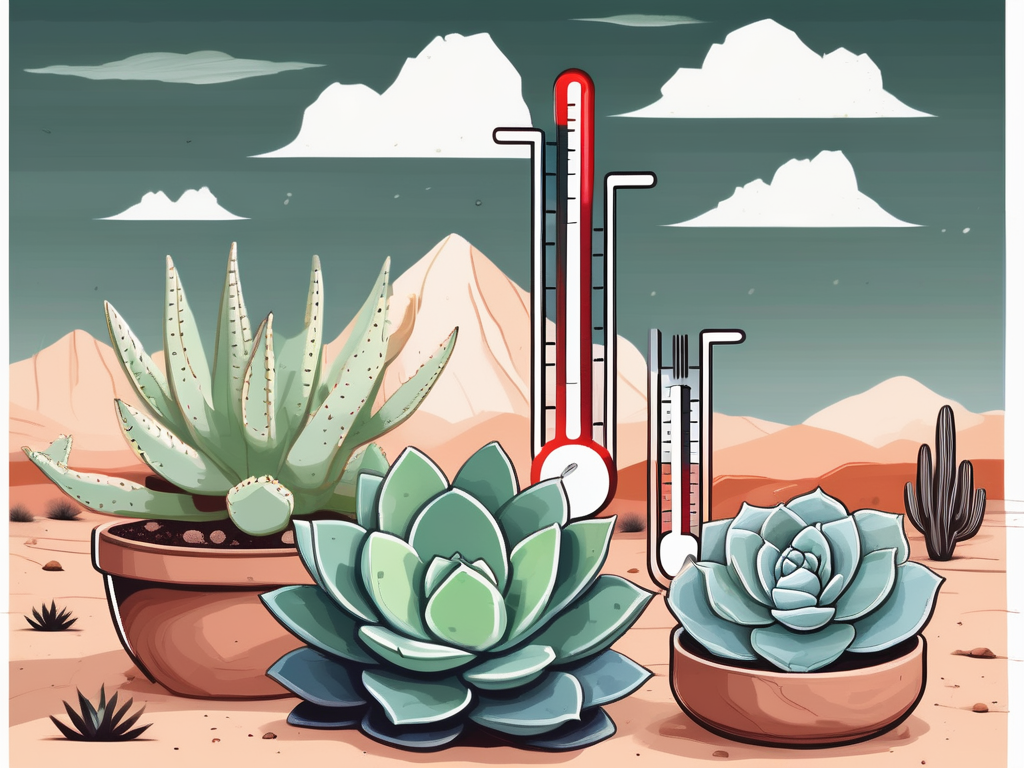
Echeverias come from the semi-desert regions of Central America and Mexico. There, they bask under the sun with very little humidity in the air. This is a good starting point when considering how to replicate their natural habitat indoors. So, what does this mean for your home?
When you think about it, these succulents are used to bright, indirect sunlight and dry conditions. They thrive in areas where the air is less humid than other parts of the world. If you've ever noticed your Echeveria looking a bit droopy, it might be because your home’s humidity levels are higher than what they’re used to.
So, how do you create a similar environment at home? Consider placing your Echeveria near a south-facing window where it can soak up plenty of sunlight. Also, ensure that the room isn't too humid. More on that later!
Why Humidity Matters for Echeveria
Humidity might not be the first thing you think about when caring for succulents, but it plays a crucial role in their health. The air’s moisture can impact how your Echeveria absorbs water and nutrients. Too much humidity, and you might be inviting trouble like root rot or fungal infections.
Think of it this way: Echeverias are like those friends who thrive on dry humor and dry air. They prefer less moisture, and giving them a humid environment is like telling them a bad joke—they just don’t appreciate it.
If you notice your Echeveria starts to look unhealthy or develops spots, it could be due to excess humidity. Keep an eye on these signs to ensure your plant stays healthy and happy. A little attention to the air around them goes a long way!
Ideal Humidity Levels for Echeveria
So, what’s the magic humidity number for Echeveria? Ideally, these succulents thrive in environments with humidity levels between 30% and 50%. This range mimics their natural habitat and helps prevent issues like mold or mildew.
How do you measure humidity? A hygrometer is your best friend here. It’s a handy little tool that will let you know if your room is too humid or just right for your Echeveria. You can find them online or at home improvement stores.
Once you know your home’s humidity levels, you can make adjustments as needed. Maybe it's time to crack a window or invest in a dehumidifier. Your Echeveria will thank you!
Adjusting Humidity Levels at Home
If your home tends to be on the humid side, don’t worry. There are several ways you can lower humidity levels to make your Echeveria more comfortable. Here's how:
- Ventilation: Open windows and doors to let fresh air circulate. This can help reduce moisture buildup.
- Dehumidifiers: These devices pull moisture from the air, creating a drier environment for your plants.
- Air Conditioning: Running your AC can also help lower humidity levels, especially during the warmer months.
- Avoid Overwatering: Overwatering not only harms the plant directly but also increases humidity in the surrounding area.
By using one or more of these strategies, you can help create a more suitable environment for your Echeveria. Remember, they prefer a little dryness in the air, so keep that in mind as you adjust your home's humidity.
Signs of Humidity Stress in Echeveria
How can you tell if your Echeveria is stressed by humidity? There are a few signs that your plant might not be comfortable with the current moisture levels.
- Yellowing Leaves: If the leaves start turning yellow, it could mean there's too much moisture.
- Soft or Mushy Leaves: This might indicate that the plant is absorbing too much water from the humid air.
- Fungal Spots: Spots or patches on the leaves can be a sign of fungal growth, often due to high humidity.
If you see any of these signs, consider adjusting the humidity levels or moving your plant to a different location. It's all about finding what makes your Echeveria happiest!
Choosing the Right Pot and Soil
When it comes to managing humidity, the pot and soil you choose can make a big difference. Echeverias need well-draining soil to keep their roots from sitting in water. A mix designed for succulents and cacti is usually a good choice.
Your choice of pot is equally important. Opt for a pot with drainage holes to allow excess water to escape. This prevents water from pooling at the bottom and increasing humidity around the roots.
Consider using terracotta pots, as they allow moisture to evaporate more easily than plastic or ceramic pots. This helps keep the soil—and your Echeveria—dry and happy.
Using Fans and Air Circulation
Fans aren’t just for keeping you cool; they can also help your plants. By improving air circulation, fans can reduce the humidity levels around your Echeveria, preventing issues like rot and mildew.
You don’t need anything fancy—a simple desk fan can do the trick. Place it near your plants and let it run for a few hours each day. This will help keep the air moving and reduce stagnant moisture.
Be sure to position the fan so it's not blowing directly on your Echeveria, as too much wind can dry out the leaves. It’s all about balance, and finding that sweet spot will make your plant happier.
Seasonal Humidity Changes
Humidity levels can fluctuate throughout the year, affecting how you care for your Echeveria. In summer, humidity tends to be higher, so you might need to run a dehumidifier or fan more often.
In winter, the air can be much drier, especially if you use heating systems. While this might seem ideal for your Echeveria, it's important to monitor the humidity to ensure it doesn’t get too low.
Remember, it's all about balance. Adjust your care routines seasonally to make sure your Echeveria stays comfortable year-round. A little extra attention during these transitions can make a big difference.
Final Thoughts
Humidity is a key factor in caring for Echeveria. By understanding their natural preferences and adjusting your home environment, you can help these lovely succulents thrive. From choosing the right pot and soil to managing air circulation, every step contributes to their overall health.
At Cafe Planta, we're passionate about helping plant people create thriving plant collections. If you have any questions or need advice on your plant journey, feel free to email us or connect on Instagram. Whether you're just starting or already have a green thumb, we're here to share the love of plants with you!