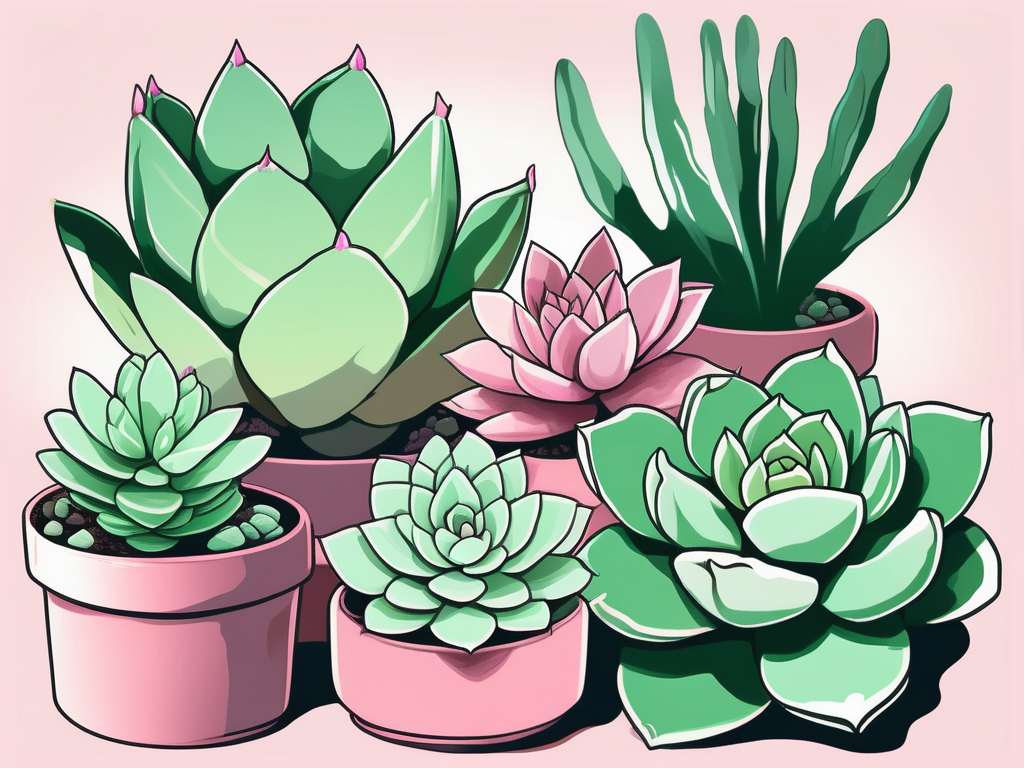
Ah, Echeveria, those delightful little succulents that seem to capture the heart of almost every plant lover. With their rosette shapes and vibrant colors, they make a charming addition to any indoor or outdoor space. However, to ensure these plants thrive, it's vital to understand how they handle temperature changes.
In this post, we'll explore how Echeveria responds to different temperatures. From the ideal climate for growth to tips for protecting them during extreme weather conditions, you'll find everything you need to nurture these lovely plants in your own home.
Getting to Know Echeveria
Before diving into temperature specifics, let's briefly discuss what makes Echeveria so popular. Native to semi-desert areas in Central America, these succulents are known for their stunning rosette shapes and a wide range of colors—from soft pastels to bold blues and purples. They're adored by many not just for their beauty, but for their low-maintenance nature.
Echeveria is a genus that includes over 150 species, each with its unique characteristics. Despite their differences, they share a common trait: a need for plenty of sunlight and well-drained soil. While they're generally easygoing, they do have specific needs when it comes to temperature, which we'll dive into next.
Ideal Temperature Range for Echeveria
Imagine you're planning a vacation—where would Echeveria want to go? Somewhere with mild temperatures, of course! Ideally, these succulents thrive in temperatures between 65°F and 80°F (18°C to 27°C). This range mimics their natural habitat, offering the warmth they love without the extremes.
During the growing season, Echeveria prefers warmth, so keeping them within this temperature range will promote healthy growth. If you're keeping your Echeveria indoors, a sunny windowsill usually provides the perfect amount of warmth and light. Just be mindful of drafts from air conditioning or heating vents, as sudden temperature changes can stress the plant.
Handling Cold Temperatures
Now, let's talk about the chilly side of things. Echeveria is not fond of cold weather. Temperatures below 45°F (7°C) can be detrimental, potentially leading to frost damage or even death. If you live in an area with cold winters, you'll need to bring outdoor Echeveria inside or provide some form of protection.
Here are some tips to keep your Echeveria safe during cold snaps:
- Bring them indoors: If they're outside, move them to a sunny spot inside your home.
- Use frost cloths: These can provide extra protection if you can't bring them inside.
- Avoid watering: Reduce watering during the winter months to prevent root rot.
By taking these precautions, you can help your Echeveria survive the cold and continue to flourish when warmer weather returns.
Managing High Temperatures
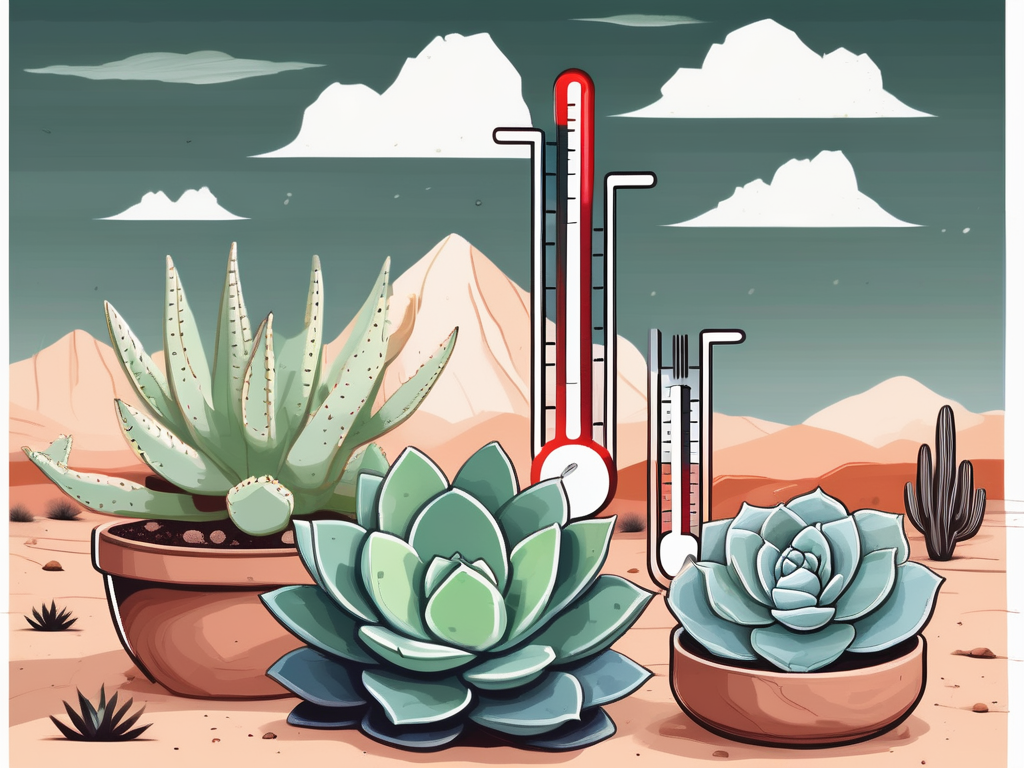
On the flip side, what about those scorching summer days? While Echeveria loves warmth, extreme heat can be just as harmful as the cold. When temperatures soar above 90°F (32°C), you'll need to keep an eye on your plant to prevent heat stress.
Here's what you can do to keep your Echeveria cool:
- Provide shade: Move them to a shaded area during the hottest part of the day.
- Increase humidity: A light misting can help, but avoid overwatering.
- Improve air circulation: Use a fan to circulate air around indoor plants.
By making these adjustments, you can help your Echeveria stay cool and comfortable, even during the hottest summer days.
Understanding Temperature Fluctuations
Temperature fluctuations can be tricky for Echeveria. Rapid changes can stress the plant, leading to leaf drop or slowed growth. It's essential to maintain a stable environment, whether your plant is indoors or out.
For indoor Echeveria, try to keep them away from drafty windows or doors that frequently open and close. If your plant is outside, consider using windbreaks or placing them near walls that can provide some shelter.
Consistency is the name of the game here. By providing a stable environment, you can help your Echeveria thrive, avoiding the pitfalls of fluctuating temperatures.
Recognizing Temperature Stress
Even with the best care, sometimes your Echeveria might show signs of temperature stress. So, how can you tell if your plant is feeling the heat (or the chill)? Here are some common symptoms:
- Discoloration: Leaves may turn yellow, brown, or even black if temperatures are too extreme.
- Leaf drop: Sudden temperature changes can cause leaves to fall off.
- Slow growth: If your plant seems to be in a rut, it might be too hot or cold.
Keep an eye out for these signs, and adjust your plant's environment as needed to help it bounce back.
Tips for Transitioning Echeveria Between Seasons
As the seasons change, so do your Echeveria's needs. Transitioning them from one season to the next can be a bit like switching your wardrobe from summer to winter—it's all about finding the right balance.
Here's how you can ease your Echeveria through seasonal transitions:
- Gradual adjustments: Slowly acclimate your plant to new temperatures by moving them to a transitional space, like a porch or sunroom.
- Monitor sunlight: Adjust the amount of sunlight they receive as the days grow longer or shorter.
- Adjust watering: Reduce watering in cooler months, as Echeveria's growth slows down.
By paying attention to seasonal changes, you can help your Echeveria adapt and continue to thrive year-round.
Creating the Perfect Indoor Environment
If you're keeping your Echeveria indoors, it's crucial to create an environment that mimics their natural habitat. This means providing the right combination of light, temperature, and humidity.
Here are some tips to create the ideal indoor environment for your Echeveria:
- Place them in a sunny spot: A south-facing window is perfect for providing ample sunlight.
- Maintain a stable temperature: Keep the room within the ideal temperature range, avoiding drafts and sudden changes.
- Control humidity: While Echeveria prefers dry conditions, a little humidity can help during dry winter months.
By creating a comfortable indoor environment, you can help your Echeveria flourish and bring a touch of nature into your home.
Outdoor Echeveria Care Tips
For those who grow Echeveria outdoors, there are a few additional considerations to ensure they thrive in your garden or patio. The key is to replicate their natural habitat as much as possible.
Here are some tips for outdoor Echeveria care:
- Choose the right location: Find a spot with plenty of sunlight and good airflow.
- Protect from elements: Use windbreaks or covers to shield them from harsh weather.
- Ensure proper drainage: Use well-draining soil to prevent root rot, especially during rainy seasons.
By paying attention to these factors, you can create a thriving outdoor space for your Echeveria, allowing them to shine in all their succulent glory.
Final Thoughts
Understanding how Echeveria responds to temperature is key to helping these beautiful succulents thrive. By keeping them within their ideal temperature range and protecting them from extremes, you can ensure they remain healthy and vibrant.
At Cafe Planta, we're passionate about helping you care for your plants. Whether you're looking for new additions to your collection or advice on plant care, we've got you covered. Feel free to email us or connect with us on Instagram. Let's grow together!