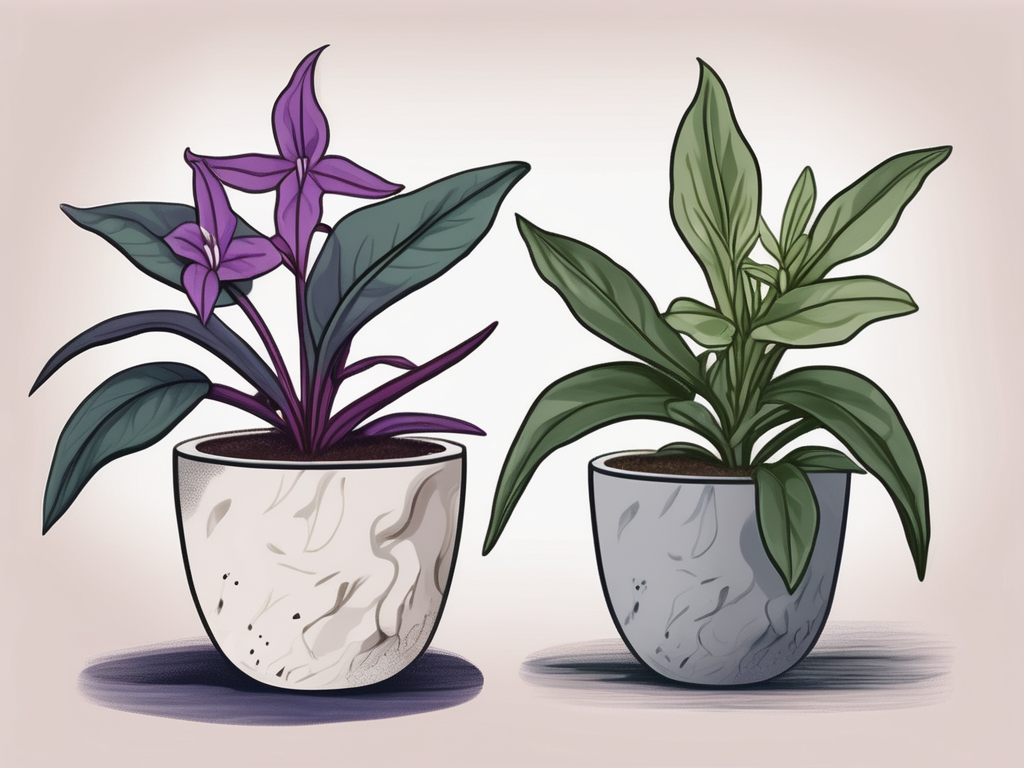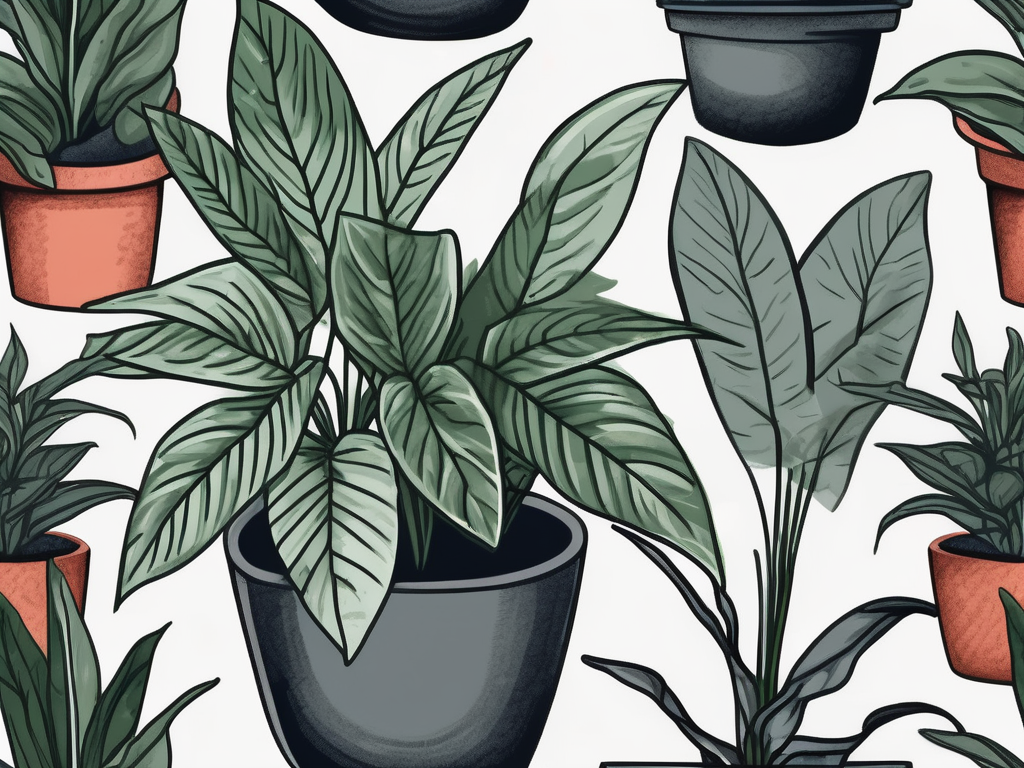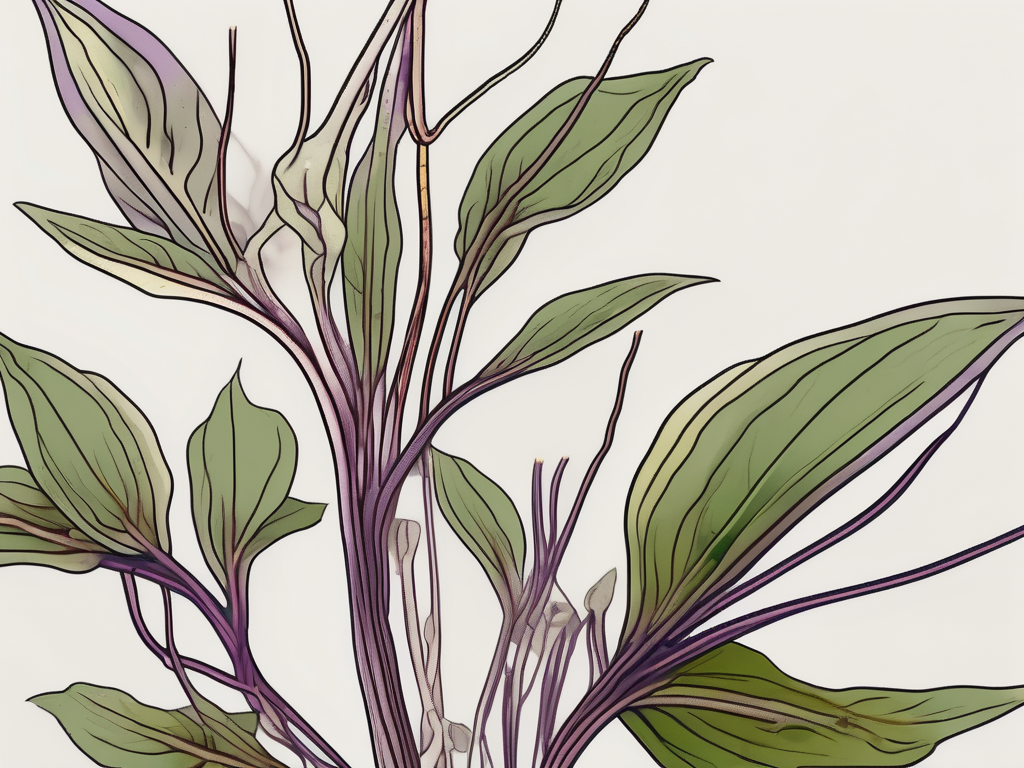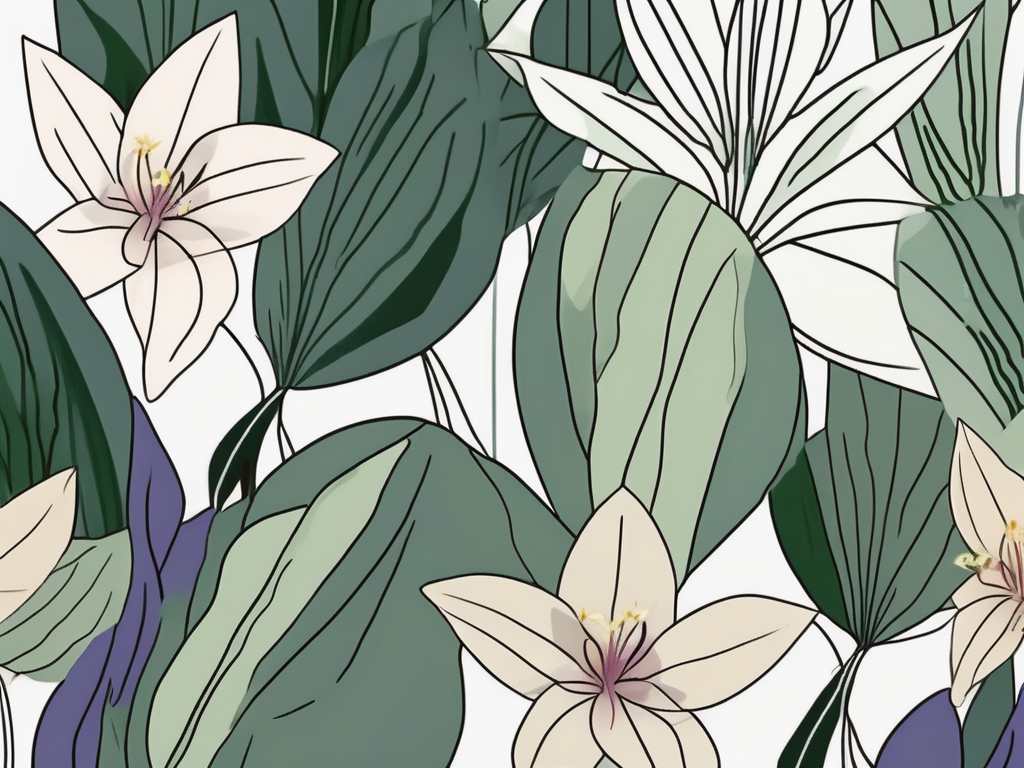
Tradescantia, often known as the "wandering dude" (or "wandering Jew," though this name is becoming less favored for good reason), is a delightful and versatile houseplant that can bring a splash of color and texture to any room. With its vibrant and sometimes variegated leaves, Tradescantia is a favorite among plant lovers who enjoy both the beauty and ease of care it offers. But how do you ensure this plant thrives in your home?
In this article, we'll explore everything you need to know to care for your Tradescantia. From light and water requirements to dealing with pests, and even a bit on how to style your space with these charming plants, we've got you covered. Let's get started!
Choosing the Right Tradescantia Variety for You
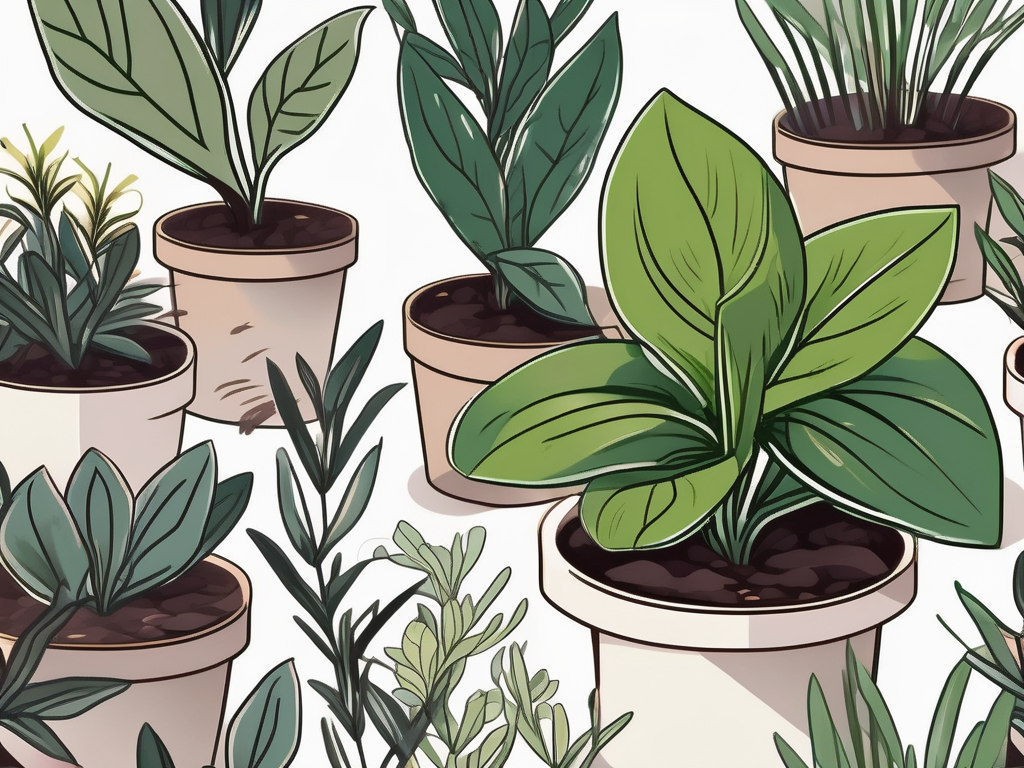
First things first, let's talk about the different varieties of Tradescantia. This plant family is quite diverse, with many species and cultivars to choose from. Whether you're looking for a trailing plant to hang in a basket or a compact one to sit on your desk, there's likely a Tradescantia for you.
- Tradescantia zebrina: This classic variety is known for its striking purple and silver-striped leaves. It's a trailing plant, making it perfect for hanging baskets.
- Tradescantia pallida: Also known as the purple heart, this variety boasts deep purple leaves and can be used as a ground cover or a hanging plant.
- Tradescantia fluminensis: This variety has small, glossy green leaves and is known for its resilience and easy care.
- Tradescantia spathacea: Also called Moses-in-the-cradle, this variety has rosettes of sword-shaped leaves with purple undersides.
When choosing a variety, consider the color and style that will complement your space. Tradescantias are generally low-maintenance, so you can focus on finding the one that visually appeals to you the most.
Light Requirements: Finding the Sweet Spot
Tradescantia plants thrive in bright, indirect light. While they can tolerate lower light conditions, they often lose their vibrant coloring and become leggy. If you notice your plant stretching towards the light, it might be trying to tell you it needs a brighter spot.
Tips for Optimal Lighting:
- Place your Tradescantia near a window where it can receive filtered sunlight. A sheer curtain can help diffuse direct rays.
- If natural light is limited, consider using a grow light to supplement. This can be especially helpful during winter months when daylight is scarce.
- Rotate your plant every few weeks to ensure even growth and prevent one-sided stretching.
Interestingly enough, while Tradescantia can survive in low light, their vibrant colors truly shine when given the right amount of light. So, if you want those purples and greens to pop, give them the light they crave!
Watering Wisely: Keeping Your Tradescantia Happy
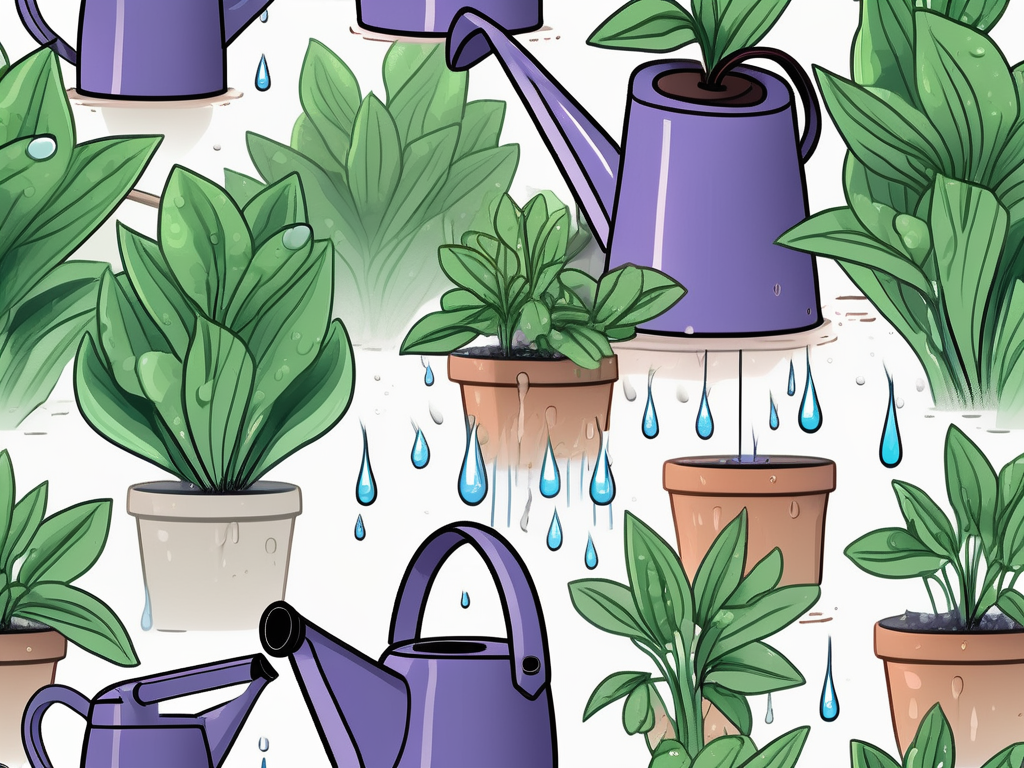
When it comes to watering Tradescantia, the key is balance. These plants prefer to dry out slightly between waterings, so overwatering can lead to root rot, a common issue among houseplants.
Watering Guidelines:
- Check the soil moisture by sticking your finger about an inch into the soil. If it feels dry, it's time to water.
- Use room temperature water to avoid shocking the roots.
- Ensure the pot has drainage holes to prevent waterlogging.
- In the growing season (spring and summer), water more frequently, as the plant is actively growing.
- Reduce watering in the winter months when the plant's growth slows down.
Remember, it's easier to recover a plant from being slightly underwatered than from overwatering. So when in doubt, give it a bit of time before reaching for the watering can again.
Soil and Potting: Setting Up for Success
Tradescantia isn't particularly picky about soil, but providing the right mix can do wonders for its growth. A well-draining potting mix is ideal, as it helps prevent the dreaded root rot.
Creating the Perfect Potting Mix:
- Use a standard potting mix as a base. You can find this at most garden centers.
- Add perlite or coarse sand to improve drainage. Aim for a mix that's light and airy.
- If you're feeling adventurous, try incorporating some orchid bark for added texture and drainage.
When it comes to pots, consider using a terracotta pot. The porous material allows excess moisture to evaporate, which is a bonus for plants that prefer to dry out between waterings. Plus, terracotta has a charming, earthy look that complements the vibrant Tradescantia foliage.
Temperature and Humidity: Creating the Right Environment
Tradescantia plants are quite adaptable when it comes to temperature, but they do have their preferences. Ideally, they enjoy temperatures between 65°F and 75°F (18°C to 24°C). However, they can tolerate slightly cooler or warmer conditions, just not extremes.
Humidity Tips:
- Tradescantia appreciates a bit of humidity, so if your home is particularly dry, consider using a humidifier.
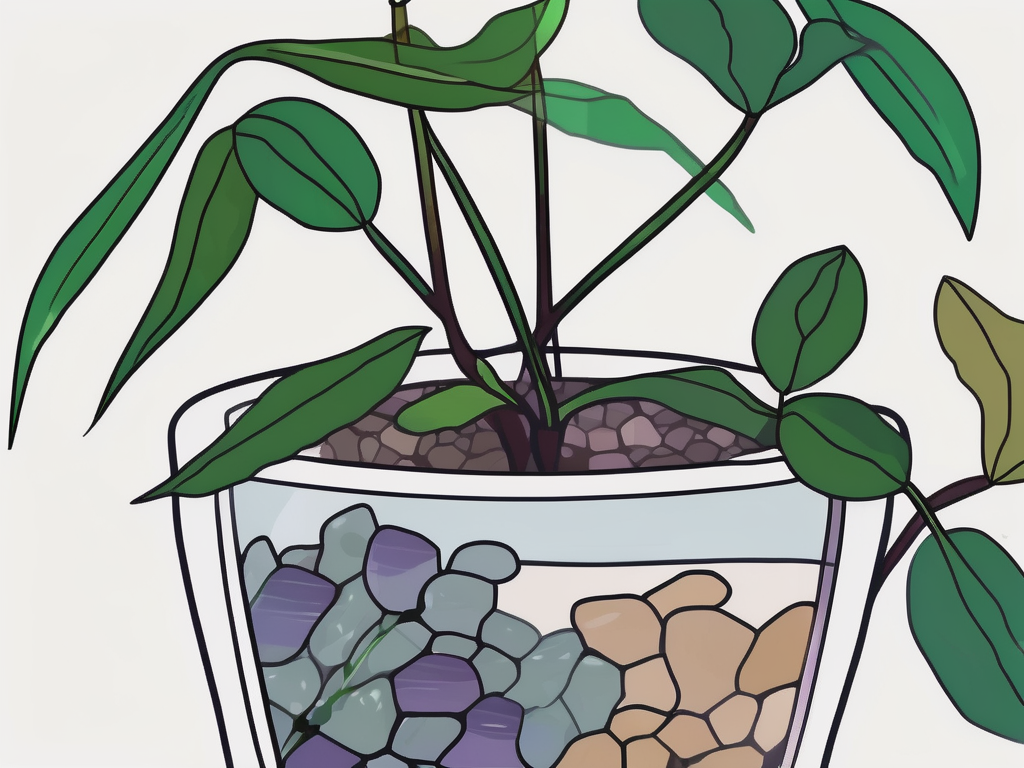
- A pebble tray with water beneath the pot can help increase humidity around the plant.
- Grouping your plants together can also create a micro-humid environment, benefiting all your green friends.
While Tradescantia can handle average household humidity levels, providing a bit more moisture in the air can really make them thrive and help prevent crispy leaf edges.
Pruning and Propagation: Keeping It Neat and Sharing the Love
Pruning your Tradescantia not only helps it look tidy but also encourages bushier growth. Regular trimming can prevent the plant from becoming leggy and helps maintain its vibrant appearance.
Pruning Tips:
- Use clean, sharp scissors or pruners to make cuts just above a leaf node.
- Remove any yellowing or dead leaves to keep the plant healthy.
- Don't be afraid to prune back heavily if your plant has become too leggy. It will bounce back stronger!
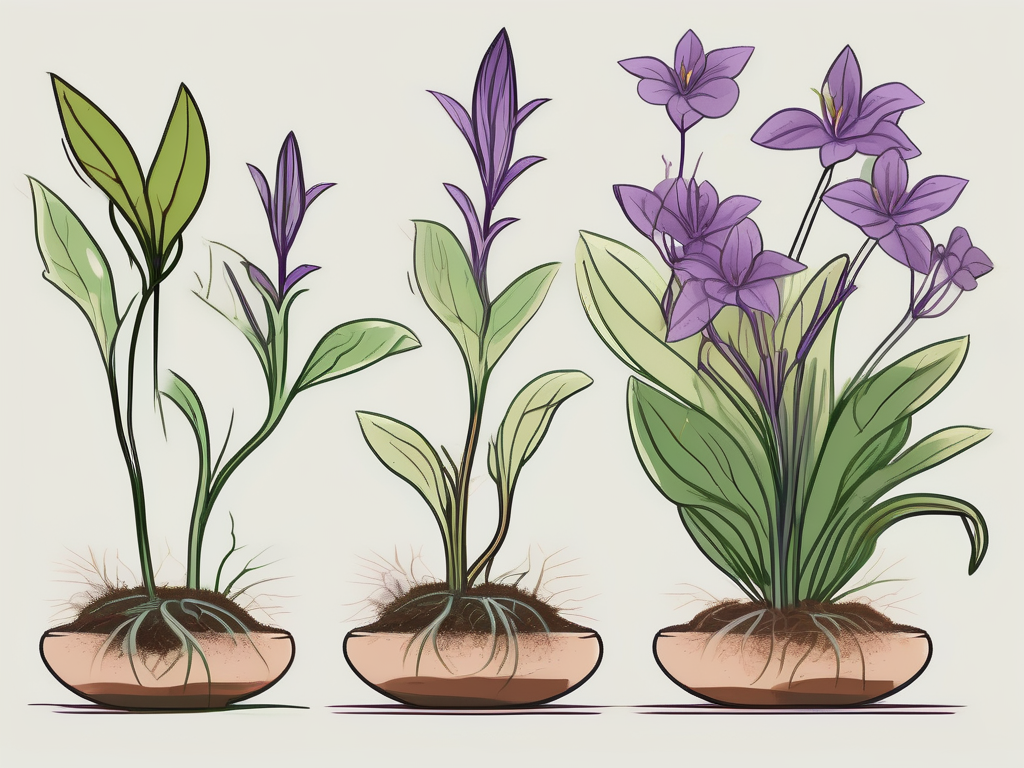
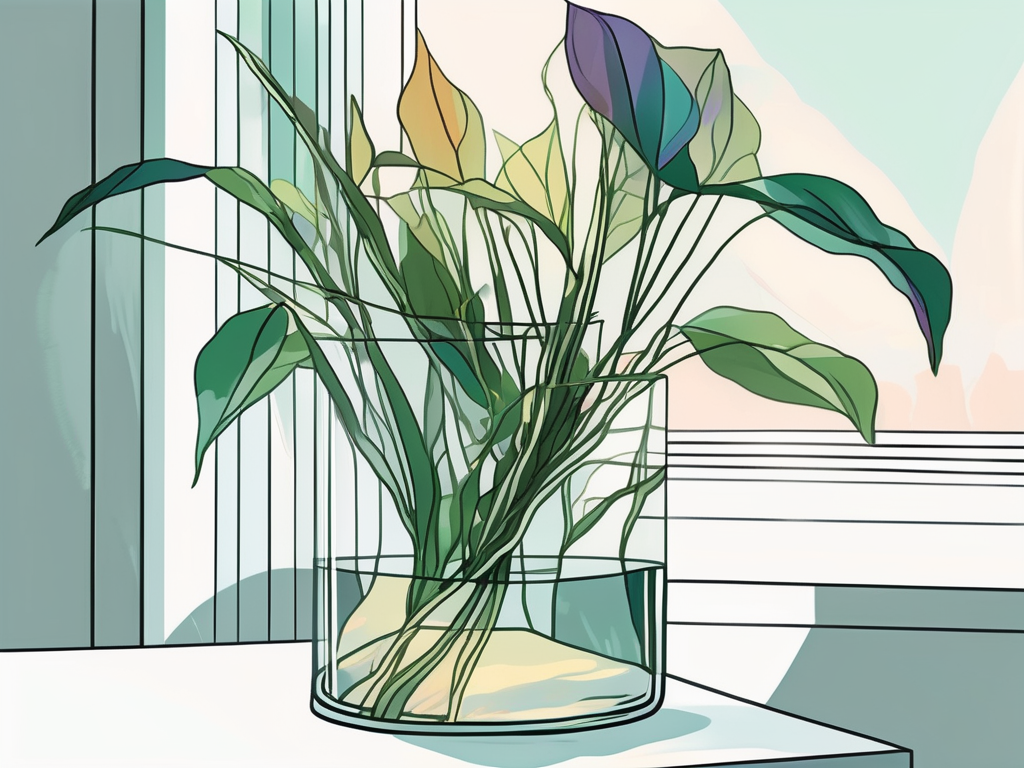
Propagating Tradescantia is a breeze, making it easy to share with friends or expand your collection. Simply take cuttings with a few nodes, place them in water or directly into soil, and watch them root. Before you know it, you'll have more Tradescantia than you know what to do with!
Dealing with Pests: Keeping Unwanted Guests at Bay
While generally hardy, Tradescantia can occasionally fall victim to pests like spider mites, aphids, or mealybugs. The good news is, with a bit of vigilance and care, you can keep these pesky critters at bay.
Pest Control Tips:
- Regularly inspect your plant for signs of pests, such as webbing, sticky residue, or visible bugs.
- For minor infestations, wipe down leaves with a damp cloth or rinse the plant under a gentle stream of water.
- Neem oil is a natural option to deter and kill pests. Simply spray the affected areas following the manufacturer's instructions.
- For severe infestations, you may need to resort to insecticidal soap or a horticultural oil.
Remember, the best offense is a good defense. Keeping your plant healthy and stress-free is the best way to prevent pests in the first place.
Styling Your Space with Tradescantia
Beyond their easygoing nature, Tradescantias are beloved for their aesthetic appeal. Their trailing vines and colorful leaves make them a versatile choice for home decor.
Styling Ideas:
- Hanging Baskets: Showcase the trailing nature of Tradescantia by placing it in a hanging basket. This not only saves space but creates a lovely cascading effect.
- Table Centerpieces: Smaller varieties or newly propagated cuttings can make charming table centerpieces, adding a splash of greenery to your dining or coffee table.
- Bookshelf Beauties: Place Tradescantia on a bookshelf to let its vines drape down the sides. This creates an organic, flowing look that's quite eye-catching.
With their vibrant colors and varying forms, Tradescantias can easily complement any decor style, from modern minimalism to bohemian chic.
Common Problems and Solutions
Even the most experienced plant lovers encounter hiccups. Tradescantia, while easy to care for, can face a few common issues. Here's how to tackle them:
Problem-Solving Tips:
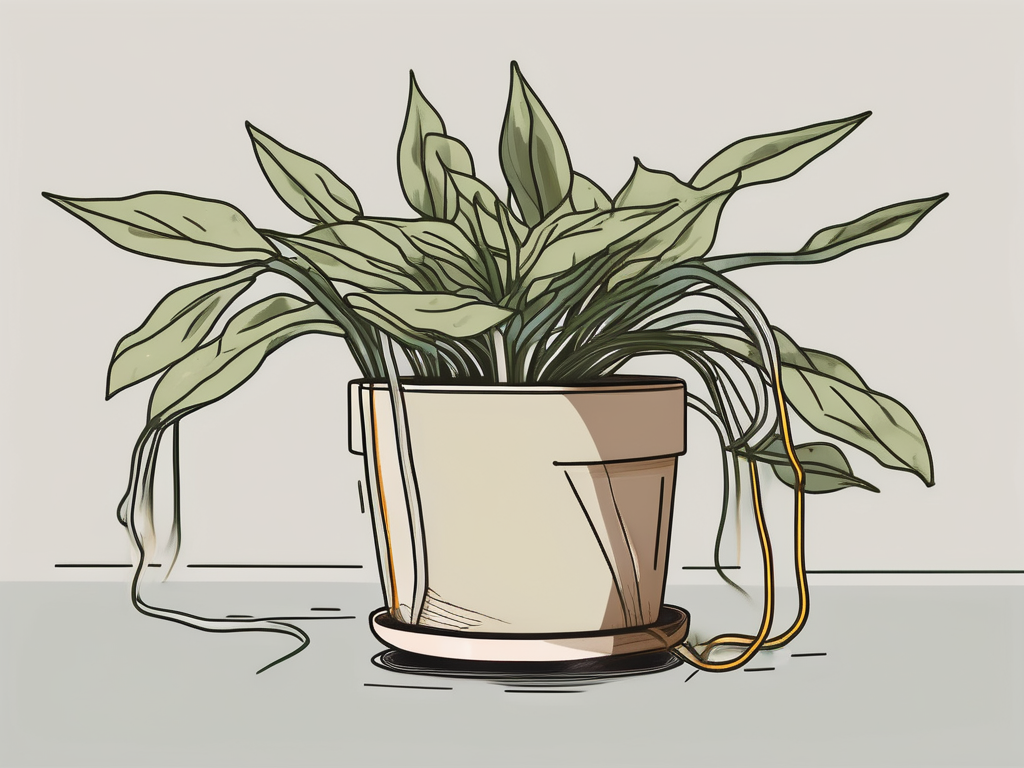
- Yellowing Leaves: Often a sign of overwatering. Check your watering routine and ensure proper drainage.
- Leggy Growth: Indicates a lack of light. Move your plant to a brighter location or provide supplemental lighting.
- Leaf Browning: Usually caused by low humidity or underwatering. Increase humidity or adjust your watering schedule.
- Pest Issues: Refer to the pest control section above for detailed solutions.
Don't get discouraged if your Tradescantia isn't thriving right away. With a bit of patience and adjustment, you'll soon have a flourishing plant.
Final Thoughts
Caring for Tradescantia can be a rewarding experience, offering both beauty and ease. By choosing the right variety, providing suitable light and water, and keeping an eye out for common problems, you can enjoy a thriving Tradescantia in your home. With these tips, you're well on your way to becoming a confident plant parent.
If you're looking to add more green friends to your collection, Cafe Planta offers a wonderful selection of houseplants and accessories. We're here to help with any plant care questions you might have. Feel free to email us or reach out on Instagram. We love sharing our passion for plants and look forward to helping you create a beautiful indoor jungle!